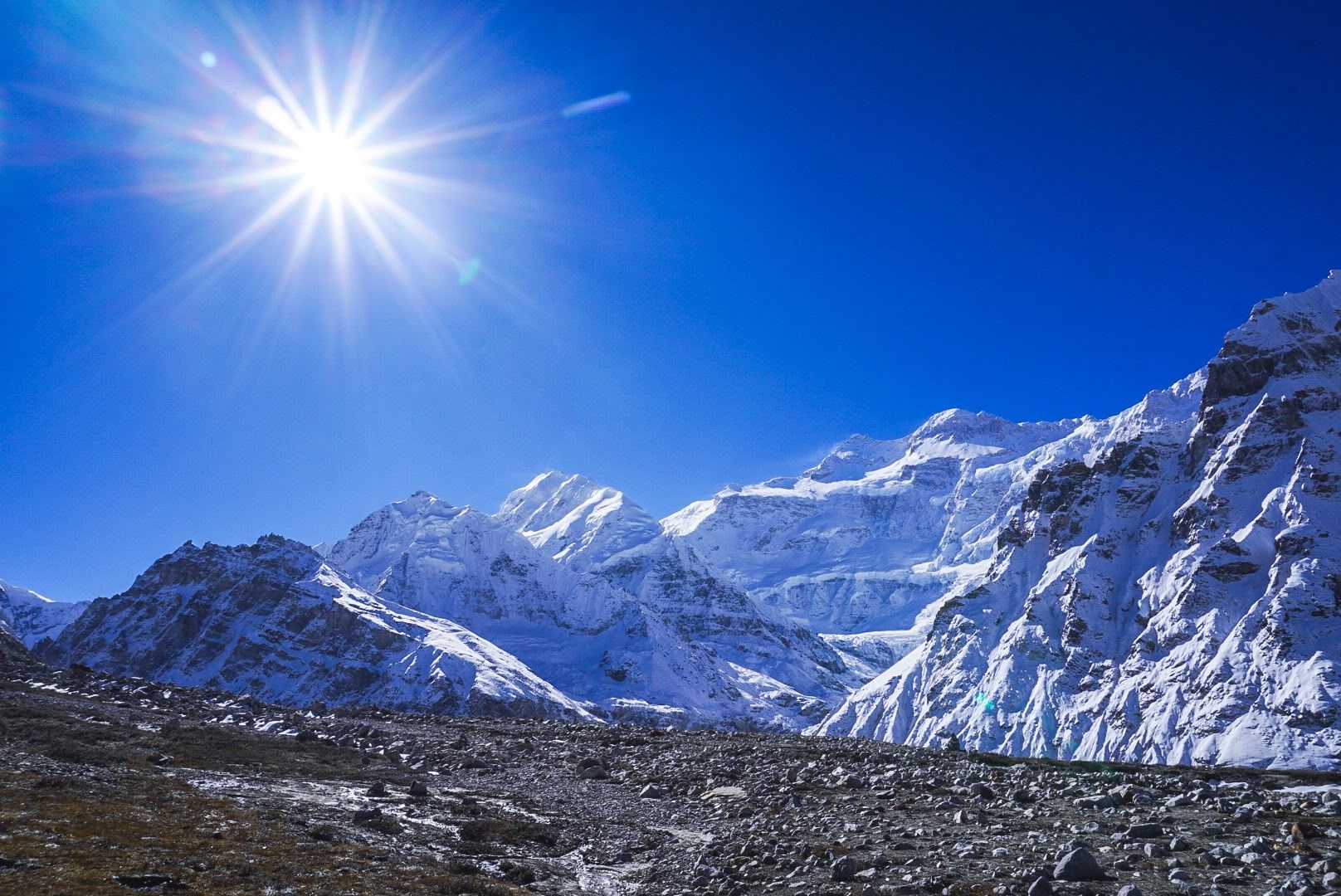
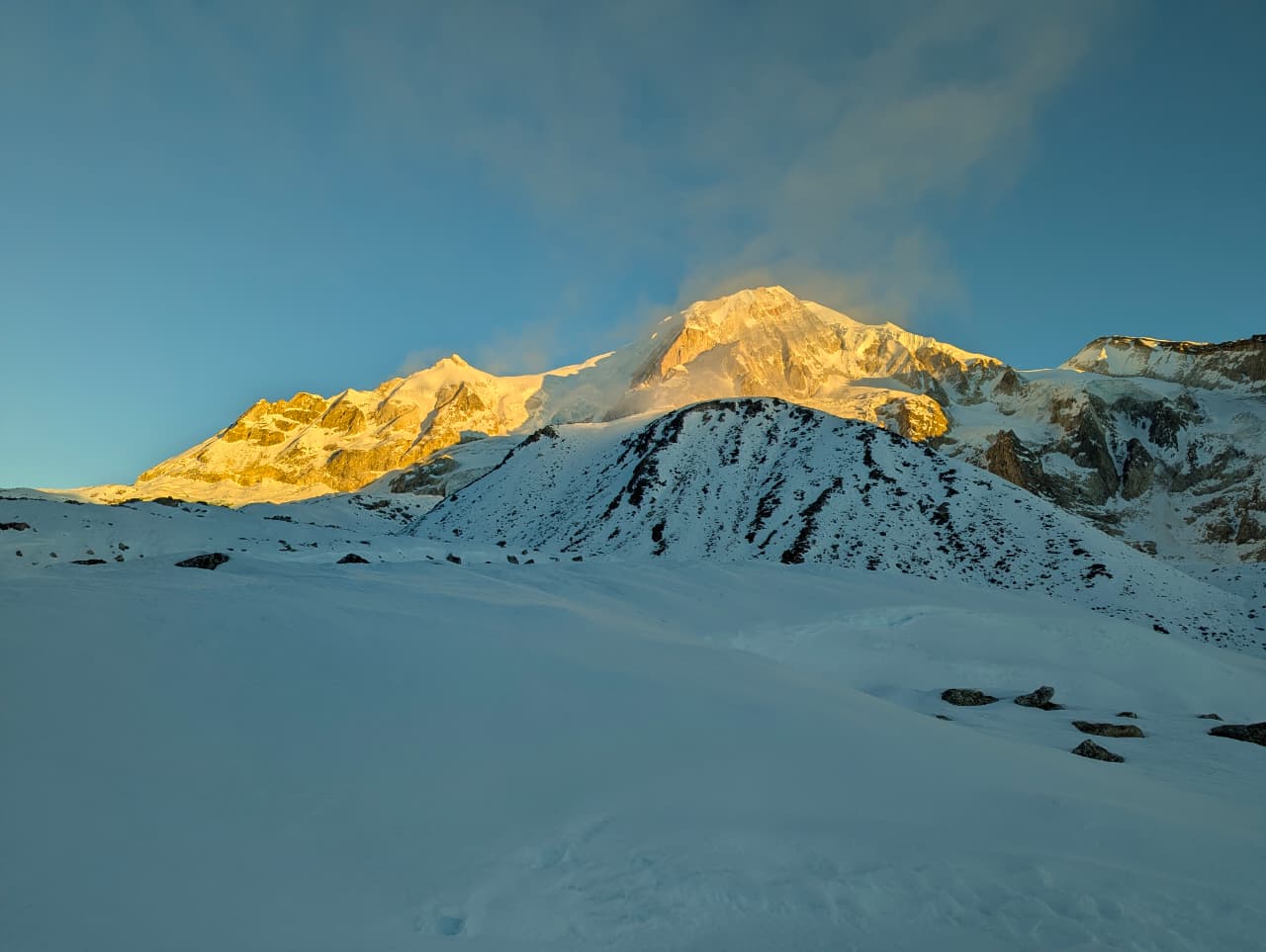
“Discover the Serenity of the World’s Highest Lake”
Touch The Himalaya Treks and Expedition Welcomes you to the World’s Highest Tilicho Lake Trek. This trek leads you to Tilicho Lake, the world’s highest lake at 4,919 meters (16,138 feet), in the stunning Annapurna region of Nepal. It’s a great choice for those looking to explore remote Himalayan paths while enjoying incredible natural beauty and cultural richness.
The trek begins in the village of Chame, following the Annapurna Circuit Trail along the Marsyangdi River. As you climb higher, you will pass through lush forests, terraced fields, and traditional villages of the Gurung and Thakali communities. Along the way, you will witness the local culture and enjoy breathtaking views of the Annapurna, Manaslu, and Dhaulagiri mountain ranges.
Tilicho Lake is the main highlight, with its turquoise waters surrounded by towering peaks. Reaching the lake is both a challenging and rewarding experience, involving steep climbs and rocky trails. The trek to Tilicho Lake is perfect for experienced hikers seeking adventure in a unique and remote location.
After visiting the lake, the journey continues toward Thorong Phedi, leading up to the Thorong La Pass at 5,416 meters. This is one of the highest trekking passes in the world and offers stunning panoramic views of the Himalayas. Crossing this pass is a thrilling challenge for trekkers. From the pass, the trail descends to Muktinath, a sacred pilgrimage site for Hindus and Buddhists, where you can explore ancient temples, monasteries, and hot springs.
The Tilicho Lake Trek is designed for adventure lovers who want to experience both natural wonders and local culture. Guided by experienced staff from Touch The Himalaya Treks and Expedition, you will explore diverse landscapes, enjoy warm local hospitality, and create lasting memories. This trek is ideal for those looking for a unique Himalayan adventure and offers an unforgettable journey to one of the world’s most beautiful and remote regions.
What is Tilicho Lake Trek?
Tilicho Lake Trek is a trekking journey in Nepal that leads you to Tilicho Lake, the highest lake in the world, situated at 4,919 meters (16,138 feet) in the Annapurna region. This trek offers a unique blend of natural beauty, including high-altitude lakes, snow-covered mountains, and a variety of landscapes.
The adventure starts on the Annapurna Circuit trail, taking you through charming villages, terraced farmlands, and lush forests. It provides a chance to experience the rich culture of the local Gurung and Thakali people. The trek involves a tough climb to Tilicho Lake, famous for its clear turquoise water and stunning mountain surroundings, and includes crossing the Thorong La Pass at 5,416 meters, one of the highest trekking passes in the world.
This trek is perfect for those looking for both adventure and a cultural experience. It offers a special way to explore the remote and beautiful areas of the Himalayas, combining physical challenges with the chance to enjoy local traditions and breathtaking scenery.
Best Time and Season For Tilicho Lake Trek
The spring season (March to May) is one of the best times for the Tilicho Lake Trek. The weather is mild, with stable conditions and clear skies, making it ideal for trekking. The trails are filled with blooming rhododendrons and other wildflowers, creating a vibrant and colorful landscape. During this season, trekkers can enjoy stunning views of the Himalayan peaks, and the overall conditions make for a perfect trekking experience.
In contrast, the summer or monsoon season (June to August) is the least preferred time for the trek. This period brings heavy rainfall, warm temperatures, and high humidity, making the trails slippery and muddy. There is also a higher risk of landslides and possible flooding. The views of the surrounding mountains are often obscured by clouds and fog, which can limit the scenic enjoyment of the trek.
The autumn season (September to November) is considered the best time for the Tilicho Lake Trek. The weather is clear and dry, with mild temperatures and excellent visibility of the mountains, including Tilicho Lake and the surrounding peaks. This period offers perfect trekking conditions, with fewer crowds and great opportunities for photography. The trails are safer after the monsoon, making it the most popular time for this adventure.
The winter season (December to February) can be a challenging time for the trek, suitable mainly for experienced trekkers. The weather is cold, especially at higher altitudes, with a high chance of snow. The Thorong La Pass and trails leading to Tilicho Lake can become blocked by snow, increasing the difficulty of the trek. Trekkers need to be well-prepared with proper cold-weather gear to face freezing conditions, particularly during the nights.
Overall, spring and autumn are the best seasons to undertake the Tilicho Lake Trek, offering the safest and most enjoyable experience with clear weather and beautiful landscapes.
Cultural Immersion of Tilicho Lake Trek
The Tilicho Lake Trek provides a rich cultural experience, allowing trekkers to connect with local communities in the Annapurna region. As you travel through traditional villages like Manang, Pisang, and Khangsar, you will meet the friendly Gurung, Thakali, and Manangi people. These communities are known for their unique customs, traditional clothing, and distinct languages. You’ll also visit ancient monasteries, prayer wheels, and chortens, which showcase the strong Tibetan Buddhist influence in the area. The locals are often happy to share stories about their mountain life, their spiritual beliefs, and the history of the region.
Throughout the trek, you’ll have chances to see local festivals and observe traditional farming practices. The terraced fields carved into the mountains highlight how people have adapted to the tough landscape. As you trek, you might see locals weaving, herding yaks, or trading at markets. These interactions offer a deeper understanding of how mountain communities live and thrive in the beautiful yet challenging Himalayan environment.
Biodiversity of Tilicho Lake Trek
The Tilicho Lake area is known for its rich biodiversity, featuring a variety of plants and animals adapted to high-altitude conditions. Located in Nepal’s Annapurna region, this area includes different ecosystems, ranging from dense forests and alpine meadows to rugged, barren landscapes.
At lower elevations, you can see coniferous forests and rhododendron trees, which are home to many bird species. Animals like the blue sheep (bharal) and Himalayan tahr graze in these areas. As you climb higher, the vegetation changes to alpine meadows with hardy grasses and shrubs. In these areas, you might spot rare animals like the snow leopard and red panda, although they are hard to find.
Near Tilicho Lake, the environment is harsh with very little vegetation. Only tough plants like edible alpine herbs and low shrubs grow here. Despite the tough conditions, you can find high-altitude birds like the Himalayan griffon and snowcock. The lake itself supports some fish species that can live at high altitudes.
Difficulty Level of Tilicho Lake Trek
The Tilicho Lake Trek is known for being quite challenging due to its tough conditions. The trek reaches high altitudes, with Tilicho Lake at 4,919 meters (16,138 feet). This high elevation can cause altitude sickness, so it’s important to acclimatize properly. The trail includes steep climbs, rocky paths, and unstable sections, especially near the lake. Trekkers also need to be ready for sudden weather changes, such as cold temperatures and strong winds at higher elevations.
Because of these difficulties, the Tilicho Lake Trek is best for experienced trekkers. Good physical fitness and stamina are necessary, as the trek covers long distances each day. Although the trek provides stunning views and a rewarding experience, the combination of high altitude, rugged terrain, and unpredictable weather makes it a tough journey. Being well-prepared and in good shape is crucial for completing this demanding trek.
Accommodation and Local Cuisine:
During the Tilicho Lake Trek, accommodation primarily consists of teahouses or lodges in the villages along the route. These teahouses offer basic but comfortable facilities, including sleeping arrangements with shared or private rooms, and common areas for dining and socializing. The accommodations vary in quality, with more amenities available in larger villages like Manang and fewer options as you move higher up the trail. In the higher altitudes near Tilicho Lake, accommodations are more basic due to the remote location.
Local cuisine on the trek reflects traditional Nepali and Tibetan dishes, with a focus on hearty and simple meals. Common offerings include Dhal bhat (a staple meal of lentil soup with rice), momo (dumplings), and Thukpa (noodle soup). These dishes are prepared with locally available ingredients, providing a taste of the region’s culinary traditions. As you trek higher, the menu may become more limited, with simpler meals available. The food is generally nutritious and designed to sustain trekkers through the physically demanding journey.
Permits for Tilicho Lake Trek
For the Tilicho Lake Trek, you’ll need a few permits. First, you need the Annapurna Conservation Area Permit (ACAP), which allows you to enter the Annapurna region and supports local conservation. You can get this permit from the Nepal Tourism Board in Kathmandu or the ACAP offices in Pokhara.
You’ll also need a TIMS (Trekkers’ Information Management System) card, which helps track trekkers for safety. This card is available at the Nepal Tourism Board or TAAN offices in Kathmandu or Pokhara.
Additionally, a special permit is required for the Tilicho Lake area, which is more remote. Touch The Himalaya Treks and Expedition will help you with all these permits, making the process easier so you can focus on your trek.
Why Touch The Himalaya Treks and Expedition for this Trek?
Touch The Himalaya Treks and Expedition for this trek because:
- Expertise and Experience: We know the region well and have a lot of experience with the trek. Their team is skilled in managing the challenges of high altitude and remote terrain.
- Comprehensive Services: We handle all the details for you, including permits, accommodations, and transportation. This makes the trek easier and lets you focus on enjoying it.
- Safety and Support: We emphasize your safety with well-planned itineraries and experienced guides. They are prepared to handle any emergencies and give advice on staying healthy.
- Cultural Insight: We offer a richer experience by sharing information about local communities and their traditions, connecting you with the region’s culture.
- Personalized Service: We customize the trek to fit your preferences, ensuring a unique and memorable experience. Their focus on customer care makes them a reliable choice.
For more treks in Annapurna Region: