Express Annapurna Base Camp Trek Overview:
The Express Annapurna Base Camp (ABC) trek is an exciting and scenic journey ideal for trekkers with limited time but a strong desire to explore the stunning Annapurna region. This shortened itinerary begins with a trip from Kathmandu to Pokhara, which can be done either by a comfortable tourist bus, taking about 8-9 hours, or a quick 25-minute flight. The choice depends on whether you prefer a scenic drive or a fast flight with spectacular views of the Himalayas.
Once you arrive in Pokhara, the trek officially starts with a jeep ride to Jhinu, a small village famous for its natural hot springs and beautiful surroundings. This jeep ride helps you skip the busier, longer parts of the trail, making the journey quicker and more direct. Jhinu is a charming village and the perfect place to start your trek, allowing you to acclimate and get ready for the days ahead.
From Jhinu, the real trekking adventure begins. The trail takes you through lush rhododendron forests, picturesque Gurung villages, and terraced farmlands. Along the way, you’ll pass through key stops like Chhomrong, Dovan, and Deurali before reaching the Machapuchare Base Camp (MBC). As you hike, the stunning landscape reveals itself with views of towering peaks like Annapurna South, Hiunchuli, and the iconic Fishtail Mountain (Machapuchare). Each village offers unique cultural experiences, giving you a taste of the local way of life.
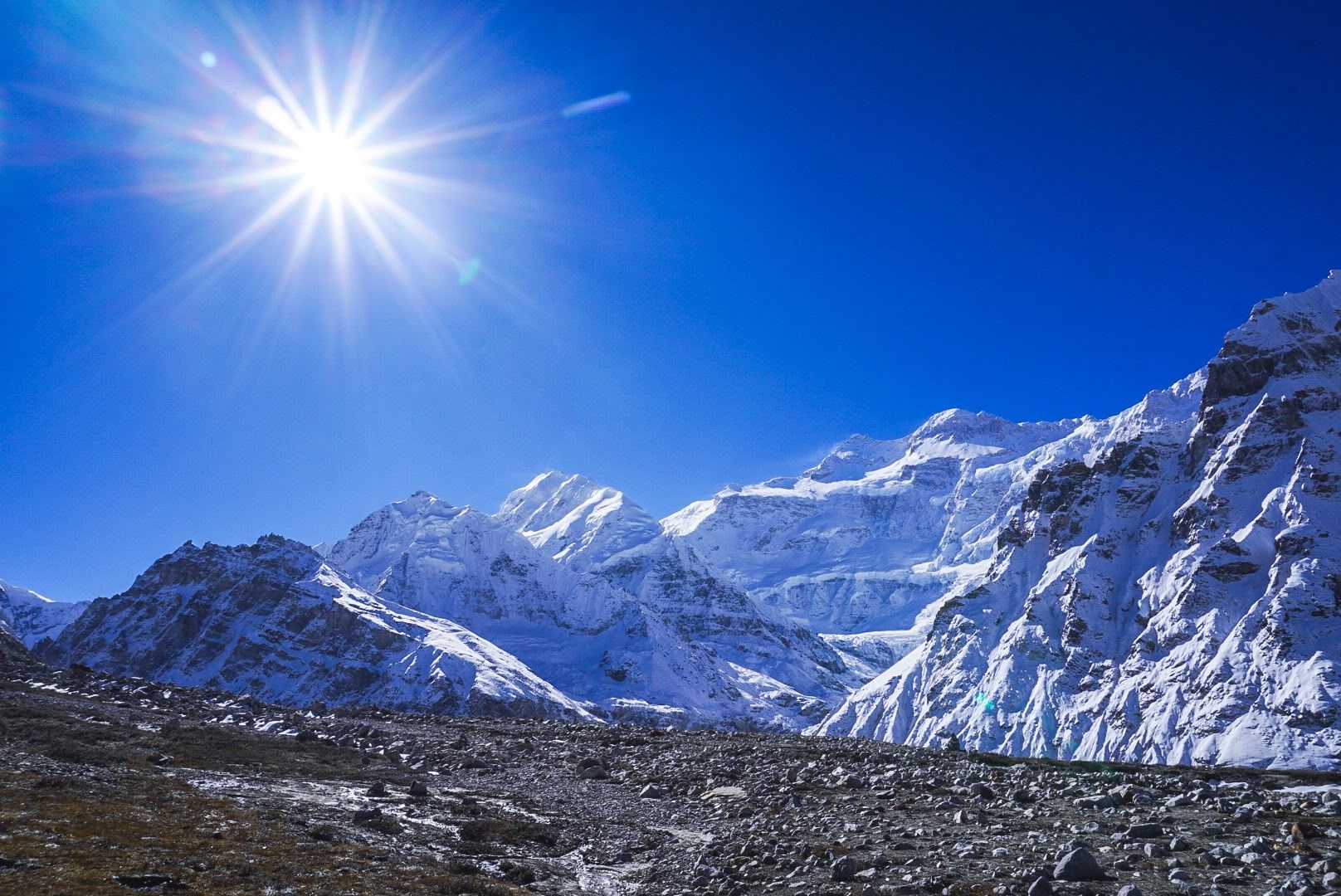
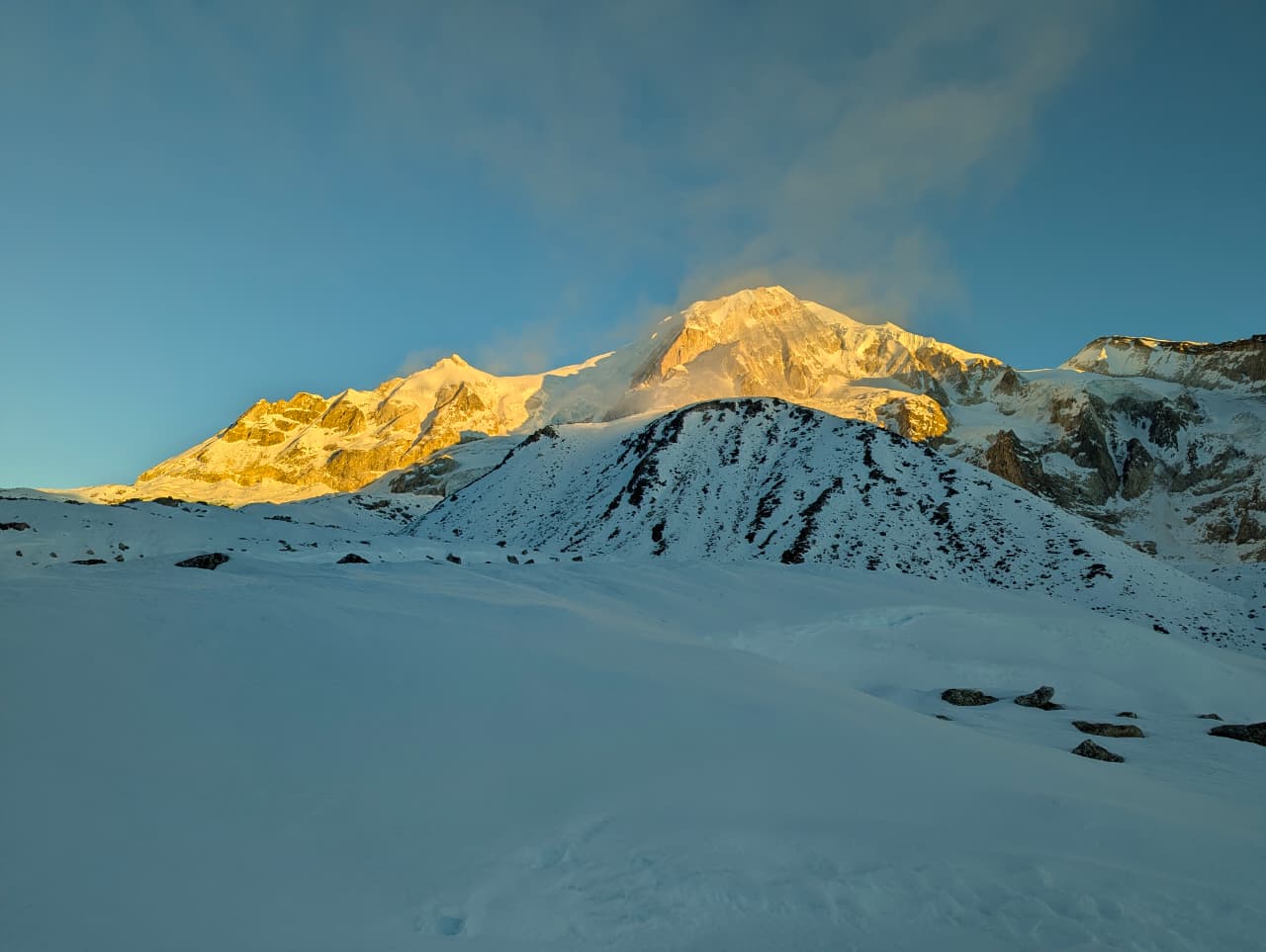
Reaching Annapurna Base Camp, at 4,130 meters, is the highlight of the trek. Surrounded by a stunning ring of snow-capped mountains, this spot offers a sense of awe and achievement. You can spend time here enjoying the breathtaking views, taking photos, and soaking in the peaceful atmosphere before heading back down. Being surrounded by some of the world’s highest peaks creates a deep connection with nature.
The journey back follows the same trail to Jhinu. The descent offers a new perspective on the landscape, with chances to revisit favorite spots and enjoy the trek at a slower pace. When you reach Jhinu, you can relax in the hot springs, a perfect way to reward yourself after days of trekking. The hot springs’ warm waters help soothe tired muscles and let you unwind.
Finally, a jeep ride from Jhinu back to Pokhara ends the trek. Here, you can reflect on your adventure, celebrate your achievements, and enjoy Pokhara’s comforts before either flying or taking a bus back to Kathmandu. Pokhara offers a variety of activities and amenities, from lakeside cafes to adventure sports, making it a great place to extend your stay.
The Express Annapurna Base Camp trek is a fantastic option for those looking for an exciting and efficient Himalayan adventure. It combines the thrill of trekking with the convenience of modern transportation, offering a perfect mix of adventure, culture, and natural beauty for an unforgettable journey.
Culture And People:
During the Seven Days Annapurna Base Camp trek, you’ll meet the friendly and welcoming people of the Gurung and Magar communities. As you walk through villages like Chhomrong, Dovan, and Deurali, you’ll see traditional houses, colorful prayer flags, and stone-paved paths. The local culture is deeply influenced by Buddhism and Hinduism, with many monasteries, chortens, and temples along the route. Villagers here mostly engage in farming and raising animals, giving you a look into their simple and fulfilling daily lives.
Trekkers can expect a rich cultural experience on this trek. Local teahouses and lodges provide not only a place to rest but also a chance to enjoy traditional Nepali dishes like Dal Bhat (lentil soup with rice) and momo (dumplings). Evenings in the villages are often filled with traditional music and dance, especially during festivals. You’ll have the opportunity to talk with locals, learning about their customs and stories. This cultural immersion adds a special and memorable aspect to the trek, making the journey not just about the physical challenge but also about connecting with the heart and soul of the Annapurna region.
Food And Accommodation
On the Quick Annapurna Base Camp trek, you’ll find food and accommodation at local teahouses and lodges along the way. Breakfast options typically include toast, pancakes, eggs, porridge, and local bread, providing the energy needed for a day of trekking.
For lunch and dinner, you can enjoy traditional Nepali dishes like dal bhat (lentil soup with rice and vegetable curry), momo (dumplings with meat or vegetables), noodles, and fried rice. Many teahouses also serve continental dishes like pasta, pizza, and soups to suit different tastes. The food is fresh, hearty, and made with local ingredients, ensuring you have a nourishing meal.
Accommodation in the teahouses is basic but comfortable. Rooms usually have twin beds with warm blankets, and some lodges offer electric blankets for colder nights. Bathrooms are generally shared, with hot showers available at some locations for an extra fee. Wi-Fi and charging facilities are also commonly available, though they may come with an additional cost.
The teahouses create a cozy and welcoming environment, with communal dining areas where trekkers can relax, share stories, and warm up by a wood-burning stove. The simple yet satisfying meals and the friendly hospitality of the local hosts make the trekking experience both enjoyable and memorable.
Climate:
The climate on the Express Annapurna Base Camp trek changes with the seasons. In summer (June to August), the weather is warm and humid, with temperatures ranging from 15°C to 25°C. This is also the monsoon season, so be prepared for heavy rain and muddy trails. The frequent rain can obscure mountain views, but the lush green scenery is stunning.
Autumn (September to November) is the best time for trekking. The temperatures are comfortable, between 10°C to 20°C. The skies are mostly clear, offering breathtaking views of the mountains. This season is popular with trekkers because of the pleasant weather and the vibrant landscape, with flowers in full bloom.
Winter (December to February) brings colder weather, with temperatures ranging from -10°C to 10°C. The higher elevations can get very cold, especially at night. Snowfall is common, making the trails more challenging. Despite the cold, the clear skies provide incredible views, and there are fewer trekkers on the trails.
Spring (March to May) has similar temperatures to autumn, from 10°C to 20°C. The weather is mild, and the rhododendron forests are blooming, adding beautiful colors to the trek. This season also offers clear skies and excellent visibility of the mountains.
Each season offers a different experience, so trekkers can choose based on their weather preference and what they want to see.
Difficulty Level:
The Express Annapurna Base Camp trek is moderately tough and suitable for trekkers who are fairly fit. Each day involves walking for hours on hilly paths, with some steep climbs up and down. As you go higher, reaching altitudes up to 4,130 meters at Annapurna Base Camp, it’s important to get used to the altitude to avoid feeling sick.
The weather changes a lot during the trek. Summers can be warm and sticky, while winters bring cold weather and sometimes snow, which affects the condition of the trail. Trekkers need to be ready for these changes and pack the right clothes and gear.
The trek rewards you with amazing views of snowy peaks and chances to experience the local culture in villages along the way. Despite its challenges, the journey is made special by the beauty of nature and meeting people from the Annapurna region. With good preparation and taking it at a steady pace, you can have an unforgettable adventure in the stunning Himalayan scenery.
Duration:
The Express Annapurna Base Camp Trek takes 7 days, start’s and end’s at Jhinu Village. It gives you a short but full experience of the beautiful natural scenery in the Annapurna region. Beginning from Jhinu, trekkers journey through lush forests, charming villages, and scenic landscapes.
The trail passes through notable locations like Chhomrong Village, Bamboo, Deurali, Himalaya and Macchapucchre (Fishtail) Base Camp before reaching Annapurna Base Camp at 4,130 meters. Here, trekkers can enjoy panoramic views of Beautiful peaks such as Annapurna South and Machapuchare.
After experiencing the breathtaking scenery and a sense of accomplishment at the base camp, the trek follows the same route back to Jhinu Village. This circular path allows trekkers to revisit favorite spots and immerse themselves once more in the cultural richness of the region, ensuring a memorable adventure in the Himalayas.
Best Time to Trek:
The best time for the Express Annapurna Base Camp Trek is during autumn (September to November) and spring (March to May). These seasons have the best weather and conditions for trekking.
Autumn brings mild and stable weather with clear skies, perfect for seeing the mountains. The temperatures are comfortable, not too hot or cold, and the scenery is colorful with flowers and greenery.
Spring is also great, with mild temperatures and blooming rhododendrons along the path. The weather is usually clear, providing stunning views of snowy peaks. Many trekkers choose this time to enjoy the beauty and culture of the Annapurna region.
Both autumn and spring offer the perfect conditions for trekking the Express Annapurna Base Camp, letting trekkers fully enjoy the amazing landscapes and experiences of the journey.
Transportation
During the Express Annapurna Base Camp Trek, how you get there and back matters. You can take a tourist bus or a quick flight from Kathmandu to Pokhara. The bus ride takes about 8-9 hours, while the flight is just 25 minutes.
From Pokhara, you’ll continue to Jhinu Village by jeep, which takes about 3-4 hours, depending on road conditions.
After the trek, you’ll return to Pokhara by sharing jeep by the same route. Then, you can choose to take a tourist bus or a flight back to Kathmandu, with similar travel times as before.
These travel options make it easier for trekkers on the Express Annapurna Base Camp Trek to reach their starting point and return back comfortably and efficiently.
Permits:
For the Express Annapurna Base Camp Trek, you’ll need two important permits: the Annapurna Conservation Area Permit (ACAP) and the Trekkers’ Information Management System (TIMS) card. These permits are required to enter and trek in the Annapurna region, ensuring safety and preserving the environment.
Touch The Himalaya Treks and Expedition will help arrange these permits as part of our trekking services. We will take care of the paperwork and fees, making sure trekkers have everything they need legally for this Express Annapurna Base Camp Trek. This assistance allows trekkers to focus on enjoying their journey, knowing they have the necessary permits to explore the stunning Annapurna region without any concerns.
All the trip grading can be viewed here.
If you have any confusion for the Express Annapurna Base Camp Trek booking process please visit our booking process.
Why To Choose Touch The Himalaya Treks and Expedition for this Trek?
Touch The Himalaya Treks and Expedition supports you all the way on the Express Annapurna Base Camp trek. We have experienced guides who know the area well and make sure your journey is safe and enjoyable. Our guides also know a lot about the local culture, plants, and animals, making your trek more interesting.
During the trek, Touch The Himalaya tems will help trekkers to arranges Comfortable places to stay in teahouses with basic comforts like twin beds, blankets, and hot showers when available. Our team will also help trekkers to order nutritious meals for breakfast, lunch, and dinner, catering to different diets. Our team makes sure you have all the right gear and helps with permits and getting around.
Our commitment to your safety and giving you a great experience makes the trek memorable. You can focus on enjoying the amazing views and learning about the culture of the Annapurna region.
Similar Treks in the Annapurna Region are: