Lobuche Peak Climbing Overview
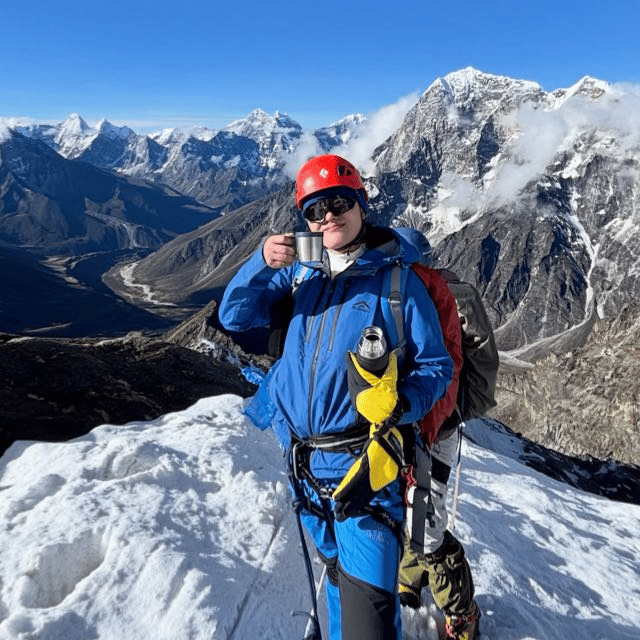
In the Khumbu Region, Lobuche Peak is located above the Lobuche town. Only a few kilometers separate this peak from Mt. Everest, the highest mountain in the world. There are two peaks on Lobuche Peak: Lobuche East Peak (6119m) and Lobuche West Peak (6145m).
From Lobuche settlement, one can ascend Lobuche Peak by way of South Bear and South Ridge. Each of the Lobuche Peaks forms a three-ridged pyramid, and they are both striking and strikingly identical in geometry. They dominate the vista when one approaches Lobuche hamlet, which is situated at the base of the Southeast shoulder of the Lobuche East Peak, from the Everest Base Camp hike. It is simple to identify the South and Southeast Ridges from the hike, especially from the hill with the stone memorials, as a classic rock triangle that extends to the Khumbu Glacier sideways moraine.
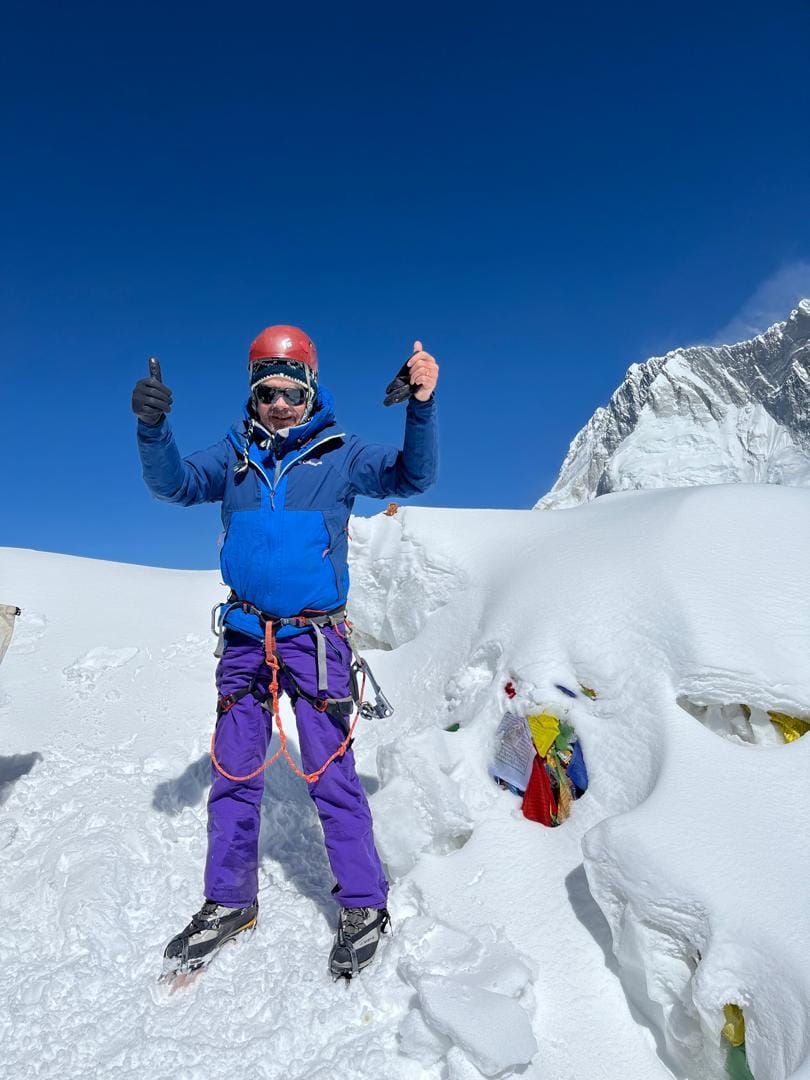
After a stunning 35-minute flight from Kathmandu, the trip to Lobuche Peak Climbing begins in the famed valley of Lukla and passes through the vibrant Sherpa settlements of the Khumbu region. The villages that the Lobuche Peak Climbing trekking trail passes through include Namche Bazaar, a well-known former trading post between Nepal and Tibet; Tyangboche, home to a significant Buddhist monastery set against a picture-perfect view of Mount Lhotse; Pangboche, the highest Sherpa village; and Dingboche, the starting point for Island Peak. As part of the Peak Climbers’ acclimatization program, Gorak Shep Village (5125m) was added. From there, hikers can ascend to Kalapattar (5540m), a satellite peak of Pumori, for a classic view of Mount Everest and the Khumbu Icefall.With these acclimatization requirements met, we hike to the Lobuche East Base Camp before returning to Lobuche settlement (5200m). Once more, we’ll give ourselves two days for acclimatization before beginning the ascent up the South Ridge to the summit (6119m). The views of Amadablam, Pumori, and Everest are breathtaking from Base Camp and the climbing route, and from the summit, we will have a 360-degree classic Himalayan panorama of numerous notable Himalayan peaks in the Khumbu region, significant Himalayan glaciers, and alpine lakes in Sagarmatha National Park.
For this Lobuche Peaks Climbing as a Classic Adventure, Snowy Horizon provides a full board package that includes a climbing permit from the NMA and all other essential logistics from arrival until departure from Kathmandu. When our climbers desire it, Snowy Horizon also provides base camp service for these peaks climbing, allowing the climber to arrange all of their necessary logistics for above the base camp. Nevertheless, the organization offers the Peak Permit. The Everest Region, sometimes referred to as the Khumbu Area, is where this trekking and climbing route is located.
For this Lobuche Peak Climbing, we cordially invite both climbers needing full board service and base camp service. Our service includes accurate maps of the trekking and climbing route, sanitary food prepared at high altitude by our skilled cooks, knowledgeable and experienced trekking Sherpas and other guides, adequate and high-quality logistics, and well scheduled arrival and departure transports.
Biodiversity:
The region around Lobuche Peak is known for its rich biodiversity. As you ascend through the different vegetation zones, you’ll witness a variety of plant and animal life. The lower elevations are characterized by lush forests of rhododendron, pine, and juniper trees, providing habitat for various bird species and wildlife like musk deer and Himalayan tahr. As you reach higher altitudes, the vegetation becomes sparse, and you may encounter alpine plants and hardy shrubs. While the biodiversity is not as diverse as in lower elevations, the region still offers unique flora and fauna that have adapted to the harsh mountain environment.
Culture:
The Everest region is predominantly inhabited by the Sherpa community, known for their rich cultural heritage and strong connection to the mountains. Along the trekking route to Lobuche Peak, you’ll pass through Sherpa villages and have the opportunity to immerse yourself in their unique traditions, customs, and way of life. Sherpas are renowned for their mountaineering expertise and have a deep reverence for the mountains. You may come across monasteries, prayer flags, and mani walls adorned with Buddhist inscriptions, reflecting the strong influence of Tibetan Buddhism in the region.
Climate:
The climate in the Everest region can vary depending on the season. Spring (March to May) and autumn (September to November) are considered the best seasons for climbing Lobuche Peak. During these months, the weather is generally stable, with clear skies and moderate temperatures. The daytime temperatures at lower elevations can range from 10°C to 20°C (50°F to 68°F), but it gets colder as you ascend. At higher altitudes, temperatures can drop below freezing, especially during the night. It’s important to be prepared for changing weather conditions and potential temperature fluctuations.
Difficulty Level:
Lobuche Peak is classified as a “trekking peak” and is suitable for climbers with previous mountaineering experience and a good level of physical fitness. The climb involves technical sections, including steep slopes, icy terrain, and some sections of rock scrambling. It requires the use of climbing equipment such as crampons, ice axes, ropes, and harnesses. Familiarity with basic mountaineering techniques, including rope handling and glacier travel, is crucial. The altitude can also pose challenges, and climbers need to be prepared for the effects of high altitude, including potential altitude sickness.
Duration:
The duration of a Lobuche Peak climbing expedition can vary depending on several factors, including the specific itinerary and acclimatization needs. Typically, a standard itinerary for Lobuche Peak climbing ranges from 18 to 21 days. This duration allows for proper acclimatization and a gradual ascent, reducing the risk of altitude-related complications. The expedition generally includes trekking to and from the Lobuche Base Camp, acclimatization days in higher camps, and the climb itself. It’s important to allow ample time for rest and acclimatization during the ascent.
Accommodation:
When you choose “Touch the Himalayas” for your Lobuche Peak climbing expedition, we will arrange accommodation for you during the trek. Accommodation options along the route may include teahouses or lodges. These establishments provide basic yet comfortable rooms with twin beds or bunk beds. The availability of private or shared bathrooms may vary depending on the location and lodge. The quality of accommodation can vary depending on the trekking route and the package you choose.
Meals:
“Touch the Himalayas” ensures that trekkers are provided with meals throughout the climb. We offer three meals a day: breakfast, lunch, and dinner. These meals are typically served in the teahouses or lodges along the trekking route. The food options consist of a variety of local and international dishes such as rice, noodles, soups, vegetables, meat (if available), bread, and tea/coffee. We take dietary preferences into consideration, and vegetarian options are generally available.
Equipments:
To successfully climb Lobuche Peak, several essential equipment are necessary to ensure safety and increase the chances of a successful ascent. These include mountaineering boots designed for cold and rugged terrain, crampons for traction on icy surfaces, an ice axe for self-arrest and balance, a harness for security during roped sections, carabiners and ropes for anchoring and belaying, a helmet for protection against falling debris, a down jacket and insulated pants for warmth in extreme conditions, a sturdy backpack to carry personal gear, a sleeping bag rated for sub-zero temperatures, a lightweight tent for shelter, a headlamp with extra batteries for visibility during early morning or night climbs, a cooking stove and fuel for melting snow and cooking meals, a high-quality sleeping mat for comfort, a first aid kit with essential supplies, sunglasses and sunscreen for eye and skin protection, gloves and mittens for hand warmth, a warm hat and balaclava for head coverage, and a GPS device or map and compass for navigation.
Insurance:
We highly recommend travel insurance for the Lobuche Peak Climbing, and we can assist you in acquiring suitable coverage. We work with reputable insurance providers to help you obtain comprehensive insurance that includes high-altitude trekking and helicopter evacuation in case of emergencies. We want to ensure that you are adequately protected throughout your trekking journey.
Guides:
When climbing Lobuche Peak with “Touch the Himalayas,” we provide experienced guides to accompany you during the entire expedition. These guides are knowledgeable about the Lobuche Peak route, safety protocols, and climbing techniques. We assist with navigation, offer guidance on the technical sections of the climb, ensure the safety of the group, and provide support in case of any challenges or emergencies. The guides are usually experienced climbers with expertise in high-altitude mountaineering.
Permits:
“Touch the Himalayas” assists trekkers in obtaining the necessary permits for Lobuche Peak climbing. These permits typically include the Sagarmatha National Park permit and the climbing permit for Lobuche Peak itself. We handle the paperwork and guide you through the permit application process, ensuring that all necessary permits are obtained before the expedition begins.