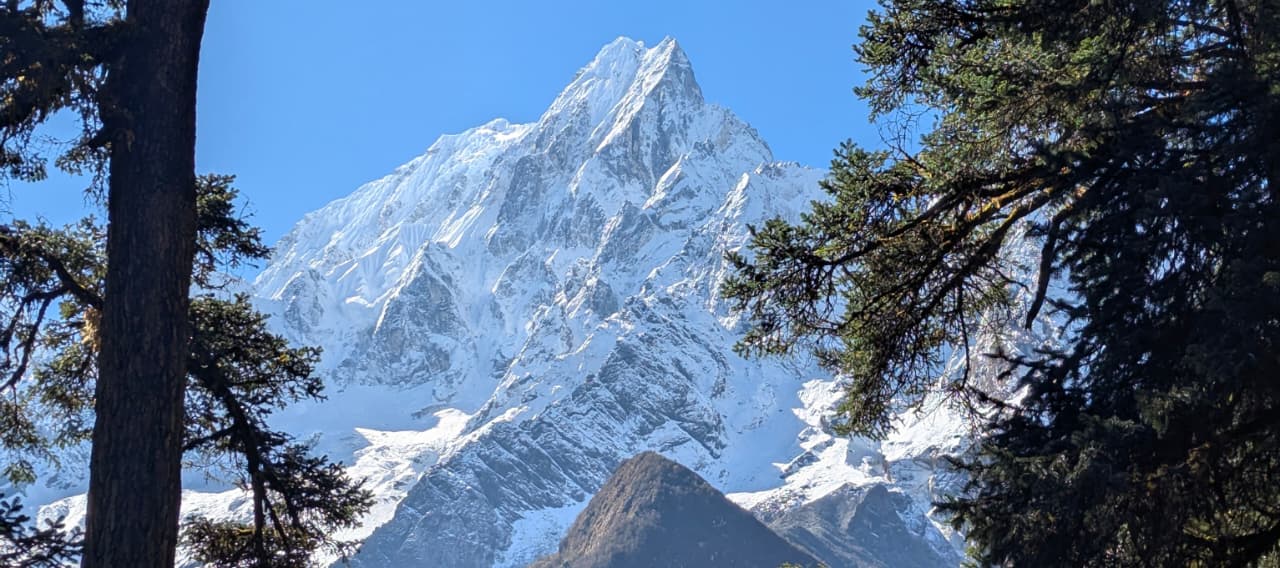
The Annapurna Base Camp Trek, often called the Annapurna Sanctuary Trek, is one of the most rewarding treks in Nepal. In just over a week of walking you go from the subtropical foothills near Pokhara to a high glacial basin at 4,130 m, completely surrounded by snow peaks including Annapurna I (8,091 m), Annapurna South, Hiunchuli, Gangapurna and the sacred, unclimbed Machhapuchhre (Fishtail).
The trek combines mountain scenery with village culture. You walk through Gurung settlements with stone-slate houses, past terraced rice and millet fields, and then into deep forests of rhododendron, oak and bamboo in the Modi Khola gorge before the valley opens into the Sanctuary.
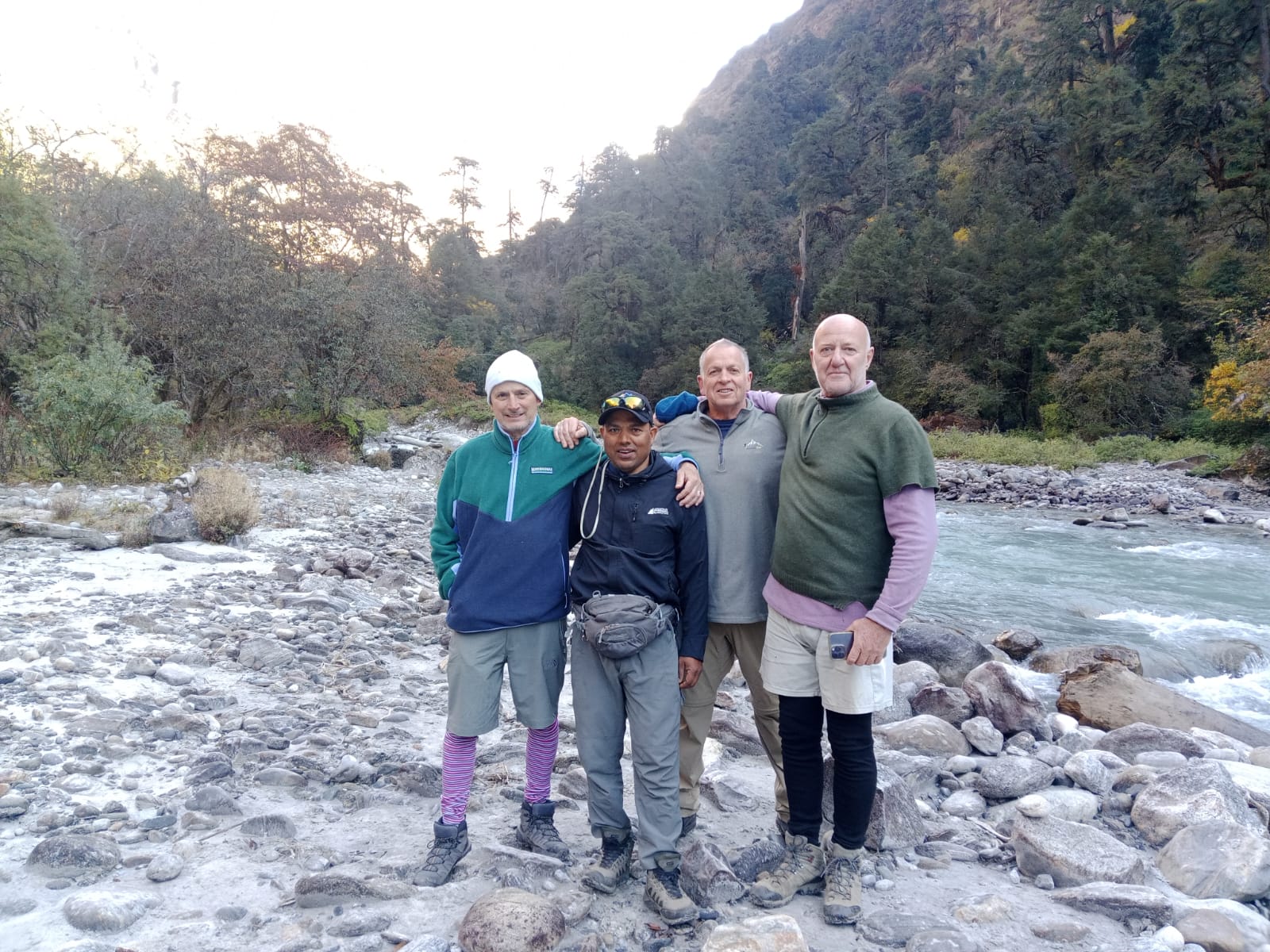
At Touch The Himalaya we run this trek with experienced local guides who know every lodge and shortcut on the route. The altitude is lower than Everest, the daily walking times are manageable, and the lodges are comfortable, which makes ABC an excellent first Himalayan trek.
Understanding the Annapurna Base Camp Route
Our route follows the classic approach through Ghandruk and Chhomrong:
Pokhara → Kimche → Ghandruk → Chhomrong → Bamboo → Dovan → Deurali → Machhapuchhre Base Camp → Annapurna Base Camp → Bamboo → Jhinu Danda → Pokhara
New roads now reach Kimche near Ghandruk, which shortens the approach and leaves more time in the mountains. The trail beyond Chhomrong follows the narrow Modi Khola valley; from Deurali it climbs steadily into the Sanctuary.
The Journey Through the Annapurna Region
1. Pokhara – The Lakeside Gateway
Pokhara (822 m) is Nepal's adventure capital, set on the shores of Phewa Lake with the Annapurna range rising behind it. It is the start and end point of the trek and a great place to relax afterwards.
2. Ghandruk – A Classic Gurung Village
Ghandruk (1,940 m) is one of the largest Gurung villages in Nepal, known for its stone houses, cultural museum and close-up views of Annapurna South and Machhapuchhre.
3. Chhomrong – The Gateway to the Sanctuary
Chhomrong (2,170 m) sits on a steep hillside facing Annapurna South. It is the last permanent village on the route and the checkpoint for entering the Sanctuary.
4. Bamboo, Dovan and Deurali – The Modi Khola Gorge
Above Chhomrong the trail drops into a deep, forested gorge. Bamboo and Dovan are small lodge settlements in the forest. Deurali (3,230 m) is the last stop before the trail climbs out of the trees into open alpine terrain.
5. Machhapuchhre Base Camp (3,700 m)
MBC sits directly below the sheer face of Machhapuchhre. From here the Sanctuary opens up and it is a gentle 1.5–2 hour climb to ABC.
6. Annapurna Base Camp (4,130 m)
At Base Camp you are surrounded on all sides by ice and rock walls. Sunrise, when the first light turns Annapurna I gold, is the highlight of the whole trek.
Mountains You Will See on the Trek
- Annapurna I (8,091 m) – the tenth-highest mountain in the world
- Machhapuchhre (6,993 m) – the sacred Fishtail peak, closed to climbing
- Annapurna South (7,219 m) and Hiunchuli (6,441 m)
- Gangapurna (7,455 m) and Annapurna III (7,555 m)
- Gandharva Chuli and Tent Peak (Tharpu Chuli)
How Difficult Is the Annapurna Base Camp Trek?
The trek is graded Moderate. Daily walks are around 5–7 hours. The main challenge is the many stone staircases, especially around Chhomrong, where you climb and descend thousands of steps. The maximum altitude of 4,130 m is reached gradually, and most fit walkers acclimatise well on this itinerary. Previous trekking experience is helpful but not essential.
Safety on the Trail
Your guide carries a first-aid kit and checks your oxygen level daily. Between Deurali and MBC there is a short section exposed to avalanches in winter and early spring after heavy snow; our guides follow local advice and will wait or reroute when conditions require it. Travel insurance with helicopter evacuation cover is mandatory.
Accommodation and Food
You stay in a hotel in Kathmandu and Pokhara, and in teahouses during the trek. Lodges in the lower villages are comfortable, many with attached bathrooms. Inside the Sanctuary the lodges are simpler with shared facilities. Meat is not served above Chhomrong, as the Sanctuary is considered sacred by local communities, so vegetarian meals are the norm on the upper trail.
Best Time for the Annapurna Base Camp Trek
Spring (March–May) brings rhododendron forests in full bloom, and autumn (late September–November) offers crystal-clear views after the monsoon. Winter treks are possible with cold nights and occasional snow near ABC. Summer monsoon brings rain and leeches on the lower trail, but the Sanctuary itself can still be beautiful.
Why Trek to Annapurna Base Camp With Touch The Himalaya
- Experienced, licensed local guides who know the Annapurna lodges and trail conditions
- A well-paced itinerary with a natural hot-spring stop at Jhinu Danda
- Daily health checks and a full first-aid kit on every trek
- Private departures on any date for solo travellers, couples and groups
- Transparent pricing with no hidden charges
Who Should Choose This Trek?
The Annapurna Base Camp Trek is perfect for first-time Himalayan trekkers, families with active teenagers, and anyone with limited time who wants to stand among 7,000 m and 8,000 m peaks without the extreme altitude of Everest.