Touch The Himalaya logo on a transparent background.

Exciting Naya Kanga Peak Climbing - 17 Days

Destination

Himalaya, Nepal

Grade

Extreme

Start / End Point

Kathmandu

Accommodation

2/3 Star Hotel, 2/3 stars hotel, Guest house/ Lodge

Best Season

March-May/Sept-Dec

Meals Included

Breakfast/Lunch/Dinner

Activity

Climbing / Expedition

Max. Altitude

6,189 m (20,305 ft)

Conquer Nepal’s stunning Naya Kanga Peak and stand at 5,844 meters for jaw-dropping Himalayan panoramas! Journey through vibrant villages, lush forests, and ancient monasteries before a thrilling summit push that rewards you with unforgettable views… Text-only version of this trek page, with the full itinerary, prices, departures and inclusions in Markdown: https://touchthehimalaya.com.np/naya-kanga-peak-climbing.md

Highlights

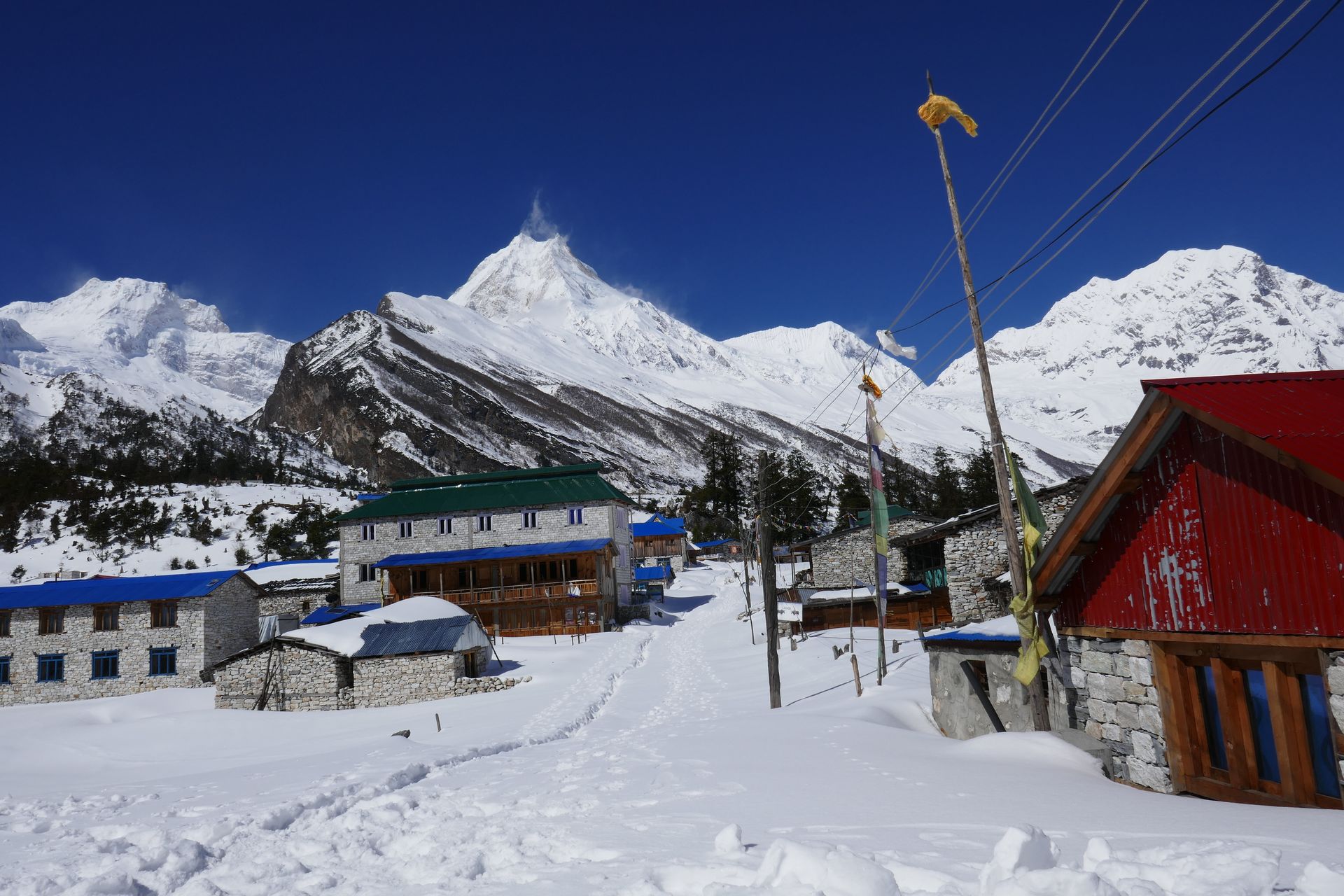
  • Breathtaking panoramic views of the surrounding Himalayan peaks, including Langtang Lirung, Shishapangma, Gangchempo, Dorje Lakpa, and Langshisa Ri.
  • Experience the unique culture and lifestyle of the local people.
  • Thrilling trek through diverse landscapes, including dense forests, lush valleys, and high alpine meadows.
  • Cross suspension bridges, traverse rugged terrains, and encounter various flora and fauna along the way.
  • Involves steep snow slopes, icy sections, and some sections of rock scrambling.
  • Langtang National Park, where you can spot wildlife such as red pandas, Himalayan tahrs, and various bird species.
  • Encounter traditional Tamang and Sherpa villages.
  • Breathtaking sunrise and sunset views from the summit create lifelong memories.
  • Camping in remote and pristine locations, under starry skies.

Naya Kanga Peak Climbing Overview

Naya Kanga Peak, also known as Ganja La Chuli, is a popular trekking peak located in the Langtang region of Nepal. Standing at an elevation of 5,844 meters (19,164 feet), it offers a thrilling climbing experience for mountaineers. The mountains in Nepal and Tibet can still be seen in stunning detail from this area, which is more accessible than others.

From Naya Kanga’s summit, you can see Shisapangma (8013m), Langtang II (6571m), Pemthang Kapro Ri (6830m), Langtang Lirung (7425m), Langshisa Ri (6370m), Pemthang Ri (6836m), and Langtang Lirung (7425m) in addition to a number of other magnificent mountains in Nepal and Tibet.

The climbing journey to Naya Kanga Peak typically begins with a scenic drive from Kathmandu to Syabrubesi, followed by a trek through the beautiful Langtang Valley. The trek takes you through lush forests, terraced fields, and traditional Tamang and Sherpa villages, providing an opportunity to immerse yourself in the local culture and witness their way of life.

As you trek through the Langtang Valley, you’ll come across the village of Lama Hotel. This is a scenic resting point surrounded by lush forests and offers a serene environment to relax and enjoy the natural beauty of the region. Continuing along the trail, you’ll reach Langtang Village, one of the major settlements in the region. Langtang Village was severely affected by the 2015 earthquake, but it has been rebuilt. Take the opportunity to interact with the friendly locals and learn about their way of life.

Further up the trail, you’ll arrive at Kyanjin Gompa, a Buddhist monastery and the last village before heading towards Naya Kanga Base Camp. Explore the monastery, enjoy the panoramic mountain views, and take in the tranquility of the surroundings. Once you leave Kyanjin Gompa, you’ll make your way towards Naya Kanga Base Camp. This is where climbers set up their camps, rest, and prepare for the summit push. The Base Camp offers stunning views of the surrounding peaks and the glacier-covered landscape.

After acclimatization at the Base Camp, you’ll ascend further to High Camp. This campsite is strategically located closer to the summit, allowing climbers to make their final preparations before the summit bid. The highlight of the expedition is reaching the summit of Naya Kanga Peak. The climb involves navigating snow slopes and technical sections. Upon reaching the summit, you’ll be rewarded with breathtaking panoramic views of the Himalayas and a sense of accomplishment.

Ecology of the Langtang Region during the Naya Kanga Peak Climbing:

The Langtang region is known for its diverse biodiversity. As you trek towards Naya Kanga Peak, you’ll pass through beautiful forests of rhododendron, oak, pine, and bamboo. The region is home to various wildlife, including Himalayan black bears, red pandas, musk deer, snow leopards, and numerous bird species. The vegetation varies with the altitude, ranging from lush forests in the lower regions to alpine meadows and rocky terrain at higher elevations.

Best Climate for climbing the Naya Kanga Peak:

The climate in the Langtang region, including Naya Kanga Peak, varies depending on the season and altitude. Spring (March to May) and autumn (September to November) are considered the best seasons for climbing Naya Kanga Peak. During these months, the weather is generally stable, with mild temperatures and clear skies. Daytime temperatures at lower elevations range from 10°C to 20°C (50°F to 68°F), while temperatures at higher altitudes can drop below freezing. However, it’s important to be prepared for temperature fluctuations and possible weather changes, including rain and snowfall, especially at higher elevations.

Difficulty Level of Naya Kanga Peak Climbing:

Naya Kanga Peak climbing is considered a moderately challenging trekking peak in Nepal. It requires a good level of physical fitness and previous trekking experience. The climb involves some technical sections, including steep ascents, glacier crossings, and potentially icy terrain. Basic mountaineering skills, such as the use of crampons, ice axes, and rope techniques, are required. Altitude sickness can also be a concern, so proper acclimatization and a gradual ascent are crucial. Overall, Naya Kanga Peak climbing is suitable for experienced trekkers looking to take their mountaineering skills to the next level.

Preparing yourself for Naya Kang Peak Climbing

Peak climbing is a demanding activity and Naya Kang Peak Climbing although popular can be difficult to accomplish without proper training and conditions. The preparations, it’s benefits, and methods are listed below:

Training Regimen

  • Start Early: Begin training at least two to three months before the trek to ensure both physical and mental preparedness.
  • Focus Areas: Concentrate on building endurance, strength, stamina, and mental readiness to handle the challenges of the climb.

Cardiovascular Workouts

  • Types of Activities: Cycling Running Jogging Paddling Hiking
  • Benefits: Increased Oxygen Levels: These activities help your body acclimate to the lower oxygen levels at high altitudes. Improved Flexibility: Aerobic exercises enhance overall flexibility, which is crucial for the varied terrain of the Himalayas. Reduced Altitude Sickness Risk: Regular cardio workouts can lower the chances of experiencing altitude sickness. Lower Injury Risk: Strengthened muscles and improved endurance help in reducing the risk of injuries and muscle strain during the trek.

Physical Conditioning

  • Purpose: To enhance your physical ability to endure long hours of trekking.
  • Training Goals: Build endurance for 5-6 hours of trekking each day in challenging terrains. Increase overall strength and stamina.
  • Diet: Carbohydrates and Protein: A diet rich in these nutrients supports muscle building and provides the necessary energy for trekking.

Mental Preparation

  • Importance: Mental readiness is key to maintaining motivation and a positive outlook during the trek.
  • Methods: Explore Similar Terrains: Practice trekking in hilly landscapes to simulate the conditions you will face. Seek Advice: Talk to experienced trekkers to gather tips and insights. Research: Conduct thorough research on Naya Kanga Peak Climbing to understand what to expect, which can help in mental preparation and reduce anxiety.

Duration of the Naya Kang Peak climb:

The duration of the Naya Kanga Peak climb typically ranges from 18 to 20 days, depending on the specific itinerary and acclimatization needs. This duration includes the trek to and from the peak, acclimatization days, and the summit attempt. It’s important to allocate enough time for proper acclimatization to minimize the risk of altitude-related illnesses. The duration also allows for flexibility in case of adverse weather conditions or the need for additional rest days. It’s recommended to consult with experienced trekking companies or guides to determine the most suitable itinerary for Naya Kanga Peak climbing.

Types of equipment needed for climbing Naya Kang Peak:

When getting ready to climb Naya Kang Peak, it’s crucial to think about the gear you’ll need. For clothing, consider your comfort with wearing unwashed items compared to how often you like to change into fresh ones. Make sure to pack plenty of warm clothes appropriate for cold conditions, keeping in mind the unpredictable nature of mountain weather, especially if you plan to reach the summit. Also, remember that you can conveniently buy all the necessary equipment in Kathmandu.

· Duffel Bag

  • Choose a waterproof duffel bag with a TSA lock and sturdy strap.
  • Capacity: 100 to 140 liters.

· Sleeping Bag

  • Rated for temperatures as low as -20°C.
  • Consider bringing a liner for extra warmth.

· Daypack Bag

  • Capacity: 30 to 40 liters.
  • Should have side pockets for wallets, cameras, water bottles, and jackets.
  • Use a Camelbak in cold weather to prevent water from freezing.

· Water Bottles

  • Carry two water bottles.
  • Include a Nalgene bottle for hot water.
  • A Camelbak for easy access to water.

· Upper Body Clothing

  • Synthetic t-shirts for trekking.
  • Wind shirt.
  • Merino wool t-shirts.
  • Insulated jacket for climbing.
  • Fleece gloves and insulated gloves.
  • Buff for dust protection.
  • Sunglasses and sun hat.
  • Fleece hat and rain gear.

· Footwear

  • Trekking shoes with good grip and ankle support.
  • Lightweight slippers for guest house comfort.
  • Cotton hiking socks, hiking pants, fleece trousers, waterproof pants.

· Other Essentials

  • Water treatment supplies.
  • Fast-drying camp towel and body wipes.
  • Toiletries and sunscreen.
  • Earplugs, mobile phone, and diary.
  • Chargers with adapters, camera.
  • Medical kit and headlamp.
  • Hand sanitizer, trekking sticks.
  • Pocket knife and pee bottle for nighttime use.

· Climbing Support

  • Our company provides accommodations, food, guides, and climbing equipment.
  • Additional climbing gear is available for rent at competitive prices.

· Climbing Gear

  • Synthetic insulated pants, shell jacket.
  • Insulated snow pants, and thick climbing socks.
  • Mountaineering boots, snow goggles.
  • Climbing harness, crampons, ice ax.
  • Belay device, climbing helmet.
  • Locking and non-locking carabiners, ascender.
  • Gaiters and mountaineering gloves.

Safety for Naya Kanga Peak Climb:

Safety is of utmost importance during Naya Kanga Peak climbing. It is highly recommended to climb with an experienced guide or a reputable trekking agency. They will provide necessary safety equipment, guidance, and support throughout the journey. It is important to follow their instructions, maintain proper acclimatization, and be prepared for any changes in weather conditions.

Accommodation during the Naya Kanga Peak Climb:

When climbing Naya Kanga Peak, you’ll experience various types of accommodations and dining options, ranging from teahouses at lower altitudes to camping and high camps at higher elevations. Here’s what to expect for food and lodging during your climb:

Teahouses (Lower Elevations)

  • Locations: At the beginning of your trek in the Langtang region, especially in lower areas, you’ll find teahouses in villages such as Syabrubesi, Lama Hotel, and Langtang Village.
  • Lodging: Teahouses offer simple but comfortable lodging for trekkers and climbers.
  • Rooms: These can be private or shared, with basic beds, blankets, and pillows.
  • Facilities: Shared bathrooms with basic amenities are common, and some teahouses provide hot showers and electricity, often powered by solar energy.
  • Menu: Teahouses serve a variety of meals, including local Nepali and Tibetan dishes as well as international options like pasta and pancakes.
  • Atmosphere: They offer a cozy environment where you can interact with other trekkers and climbers.

Camping (Higher Elevations)

  • Transition: As you climb higher, you’ll switch from staying in teahouses to camping, especially for the final push to the summit and beyond.
  • Camp Sites: These are carefully chosen for their protection from the elements and their closeness to the climbing routes.
  • Lodging: You’ll stay in expedition tents, with sleeping bags and sleeping pads provided by your trekking agency or expedition organizer.
  • Meals: A dedicated camping team, including a cook and support staff, will prepare meals at the campsite.
  • Nutrition: The food is designed to give you the energy and nutrition needed for the climb, featuring a mix of local and international dishes.
  • Special Diets: If you have special dietary needs, let your trekking agency know in advance so they can accommodate you.

High Camps:

  • Purpose: During the summit push, high camps are established at even higher altitudes.
  • Lodging: Accommodation at high camps typically involves smaller tents for shelter during the final stages of the climb.
  • Strategic Placement: These camps are placed strategically to minimize the distance to the summit and maximize safety during the ascent.

Accommodations during the Naya Kanga Peak climbing expedition will start with teahouses in the lower elevations and move to camps and high camps at higher altitudes. Teahouses provide basic yet comfortable lodging and a variety of meals, offering a chance to meet fellow trekkers. As you ascend, camping becomes necessary, with tents and meals provided to ensure you have the energy and comfort needed for the climb. High camps are crucial for the final push to the summit, offering shelter and strategic placement for safety and efficiency. Proper planning and communication with your trekking agency will help ensure a safe and enjoyable experience.

Meals:

“Touch the Himalayas” ensures that trekkers are provided with meals throughout the Naya Kang Peak climbing. We offer three meals a day: breakfast, lunch, and dinner. These meals are typically served in the teahouses or lodges along the trekking route. The food options include a variety of local and international dishes, such as rice, noodles, soups, vegetables, lentils, meat (if available), bread, and tea/coffee. The meals are designed to provide sufficient energy and nutrition for trekkers undertaking the challenging climb.

Guides for climbing Naya Kanga Peak:

  • Hiring Skilled Local Guides

    Engaging the services of skilled local guides is highly recommended for anyone planning to climb Naya Kanga Peak. These professionals are invaluable for ensuring safety, providing navigation, and sharing local knowledge that can enhance the overall climbing experience. Local guides are familiar with the terrain, weather patterns, and potential hazards, which allows them to make informed decisions that can significantly reduce the risk of accidents.

    One of the key roles of a guide is to assess weather conditions accurately. In mountainous regions, weather can change rapidly and unpredictably. Guides have the experience to interpret weather signals and decide when to advance or when it’s safer to wait. This expertise is crucial for avoiding dangerous situations that could arise from unexpected storms or other adverse weather conditions.
  • Monitoring and Managing Altitude Sickness

    Another critical responsibility of local guides is monitoring climbers for symptoms of altitude sickness. Altitude sickness can affect anyone, regardless of their fitness level, and it can escalate quickly if not managed properly. Experienced guides are trained to recognize the early signs of altitude sickness and can take appropriate actions, such as adjusting the pace of the climb, ensuring proper hydration, or descending to a lower altitude if necessary. This vigilance helps protect climbers from the severe consequences of high-altitude illnesses.
  • Technical Skills and Physical Demands

    Climbers who have prior hiking or mountaineering experience are generally better prepared to handle the technical challenges and physical demands of climbing Naya Kanga Peak. However, even experienced climbers can benefit from the knowledge and support of professional guides. The climb requires a combination of technical skills, such as using climbing equipment and navigating difficult terrain, as well as effective altitude management and physical fitness. Guides can provide instruction and support in these areas, making the climb more manageable and increasing the chances of a successful summit.
  • Role of Porters

    In addition to guides, hiring porters can significantly enhance the climbing experience. Porters are responsible for carrying heavy gear and supplies, which allows climbers to focus on the ascent without the added burden of a heavy backpack. This support is particularly important in high-altitude climbs, where conserving energy is crucial. Porters, like guides, are usually well-acquainted with the region and can contribute to the safety and efficiency of the expedition.
  • Preparation and Training

    Adequate preparation and training are essential for a safe and successful Naya Kanga Peak climb. Climbers should engage in a training regimen that builds endurance, strength, and stamina. Cardiovascular workouts, strength training, and mental preparation are all important components of this training. Additionally, climbers should educate themselves about the specific challenges of Naya Kanga Peak, including the technical skills required and the potential risks.
  • Thorough Research and Specialist Guidance

    Before embarking on this challenging adventure, climbers should thoroughly research the climb. This includes understanding the route, knowing what equipment is needed, and being aware of the weather patterns and potential hazards. Seeking guidance from specialists, such as experienced climbers or professional guiding companies, can provide valuable insights and tips that can make a significant difference in the climb’s success and safety.

Climbing Naya Kanga Peak is a demanding endeavor that requires a blend of technical abilities, altitude management, physical fitness, and good instruction. The assistance of professional guides and porters, along with thorough preparation and training, are critical for a safe and successful climb. By taking these steps, climbers can enhance their chances of reaching the summit and enjoying a rewarding and memorable experience.

Permit for climbing Naya Kanga Peak:

“Touch the Himalayas” assists trekkers in obtaining the necessary permits for Naya Kanga Peak climbing. These permits may include the Langtang National Park Entry Permit and the Climbing Permit for Naya Kanga Peak. We handle the paperwork and guide you through the permit application process to ensure all necessary permits are obtained before the expedition begins. These permits are essential to comply with the local regulations and support the conservation efforts in the region.

Trip Difficulty

Strenuous These treks are the most challenging and require a high level of physical fitness and mountaineering skills. The altitude may go up to 6,000 meters or more, and the terrain can be extremely rugged and steep, with challenging passes and technical sections. These treks often involve mountaineering and require special equipment and permits. Examples of difficult treks in Nepal are the Everest Three Passes Trek, Makalu Base Camp Trek, and the Kanchenjunga Base Camp Trek.

Day-to-Day Short Itinerary

  1. Day01Welcome at Tribhuvan International Airport, then transfer to your hotel.
  2. Day02A full day sightseeing tour of Kathmandu
  3. Day03Drive to Syaphru Bensi at 1503m.
  4. Day04Trek to Lama hotel at altitude of 2410m
  5. Day05Trek to Langtang at altitude of 3430m
  6. Day06Trek to Kyanjin Ghumba at altitude of 3830m
  7. Day07Acclimatization hike to Kyanjin Ri at altitude of 4550mRest day
  8. Day08Acclimatization hike to Tsergo Ri located at 4850mRest day
  9. Day09Climb to Naya Kanga base camp located at 4500m
  10. Day10Climb to Naya Kanga high Camp located at 4900m
  11. Day11Climb Naya Kanga located at 5844m and return to base campHighest point
  12. Day12Trek to Kyanjin Ghumba located at 3800 m
  13. Day13Trek to Lama Hotel located at 2410m
  14. Day14Trek to Syaphru Bensi at altitude of 1600m
  15. Day15Drive to Kathmandu and farewell-celebration dinner
  16. Day16Rest Day in KathmanduRest day
  17. Day17Final departure for the airport

Exciting Naya Kanga Peak Climbing Detail Itinerary

17 days
Day1 of 17

Welcome at Tribhuvan International Airport, then transfer to your hotel.

your hotelAltitude 1,400 mTrek
  • Max altitude1,400 m / 4,593 ft

Upon your arrival at Tribhuvan International Airport (TIA), you will receive a warm welcome from our dedicated office representative. They will be waiting to greet you upon your arrival and will ensure a smooth transition as you are driven to your hotel in a comfortable vehicle.

Once you have checked in at the hotel, the rest of the day is yours to enjoy at your leisure. Take this opportunity to relax and unwind after your journey or explore the vibrant city of Kathmandu at your own pace. Immerse yourself in the rich culture, indulge in local cuisine, or simply take some time to rest and prepare for the exciting adventures that await you.

Spend a peaceful night in Kathmandu, comfortably accommodated at your hotel. Rest well and recharge for the thrilling experiences that lie ahead on your journey through this captivating city.

Overnight2/3 Star Hotel

MealsBreakfast

Day2 of 17

A full day sightseeing tour of Kathmandu

A full day sightseeing tour of KathmanduAltitude 1,400 m
  • Max altitude1,400 m / 4,593 ft

Start your day with an early morning breakfast at the hotel, ensuring you have a hearty meal to fuel your adventures ahead.

Embark on a half-day cultural tour of UNESCO World Heritage Sites, immersing yourself in the rich history and architectural marvels of Kathmandu. Visit iconic landmarks such as Hanuman Dhoka Square, Pashupatinath Temple, Swayambhunath (also known as the Monkey Temple), and the majestic Boudhanath Stupa. Explore these cultural gems and soak in the spiritual ambiance that surrounds them.

In the afternoon, our experienced team will provide a brief explanation of the upcoming trek. You will receive valuable information and insights into the route, highlights, and challenges that await you. Additionally, we will distribute trek gear to ensure you are well-equipped for the journey ahead.

Take this time to carefully pack your bag, making sure to include all the essential items needed for the trek. Double-check your gear, ensure your supplies are in order, and make any necessary preparations for the adventure that awaits you.

After an eventful day, return to your hotel and enjoy a comfortable overnight stay, allowing yourself a good night’s rest before commencing your trek in the following days.

Overnight2/3 stars hotel

MealsBreakfast

Day3 of 17

Drive to Syaphru Bensi at 1503m.

Syaphru Bensi at 1503mAltitude 1,503 mDrive day
  • Max altitude1,503 m / 4,931 ft

Embark on a scenic drive to Syaphru Bensi, located at an elevation of 1,503 meters (4,931 feet). Enjoy the picturesque views as you journey through the stunning landscapes of Nepal.

Throughout the drive, you will have the opportunity to immerse yourself in the natural beauty of the surroundings, witnessing the diverse terrain and charming villages along the way.

Meals including breakfast, lunch, and dinner will be provided during the drive to keep you nourished and energized.

Upon reaching Syaphru Bensi, you will be accommodated in a comfortable guest house or lodge, ensuring a restful night’s sleep before continuing your adventure in the days ahead.

OvernightGuest house/ Lodge

MealsBreakfast, Lunch & Dinner

Day4 of 17

Trek to Lama hotel at altitude of 2410m

Lama hotel at altitude of 2410mAltitude 2,410 mTrek
  • Max altitude2,410 m / 7,907 ft

You will embark on a trek to Lama Hotel, situated at an altitude of 2410m or 7,906ft. Throughout the journey, you will be provided with wholesome meals including breakfast, lunch, and dinner. Your accommodation for the duration of the trek will be in comfortable guest houses or lodges. The trek will take you to Lama Hotel, where you will experience the serene beauty of the surroundings at an elevation of 2410m.

OvernightGuest house/ Lodge

MealsBreakfast, Lunch & Dinner

Day5 of 17

Trek to Langtang at altitude of 3430m

Langtang at altitude of 3430mAltitude 3,430 mTrek
  • Max altitude3,430 m / 11,253 ft

A thrilling trek will take you to Langtang, which is situated at a height of 3430 meters (11,253 feet). During the trek, you will be provided with delicious meals including breakfast, lunch, and dinner. Your accommodation for the duration of the trek will be in comfortable guest houses or lodges. The trek will take you to Langtang, where you will witness breathtaking views and experience the enchanting atmosphere at an elevation of 3430m.

OvernightGuest house/ Lodge

MealsBreakfast, Lunch & Dinner

Day6 of 17

Trek to Kyanjin Ghumba at altitude of 3830m

Kyanjin Ghumba at altitude of 3830mAltitude 3,830 mTrek
  • Max altitude3,830 m / 12,566 ft

Trek to the beautiful Kyanjin Ghumba, which is located at an astounding altitude of 3830 meters (12,565 feet), and embark on a thrilling experience.Throughout your journey, you will be treated to nourishing meals, including breakfast, lunch, and dinner. Find comfort and rest in cozy guesthouses or lodges along the way. As you ascend to a maximum altitude of 3830m, the stunning landscapes and serene surroundings of Kyanjin Ghumba will leave you in awe. Prepare to immerse yourself in this unforgettable experience amidst the breathtaking beauty of the Himalayas.

OvernightGuesthouse/Lodge

MealsBreakfast, Lunch & Dinner

Day7 of 17

Acclimatization hike to Kyanjin Ri at altitude of 4550m

Kyanjin Ri at altitude of 4550mAltitude 4,550 mAcclimatization
  • Max altitude4,550 m / 14,928 ft

To aid in acclimatization, you will embark on an invigorating hike to Kyanjin Ri, situated at an altitude of 4550m or 14,927ft. Throughout the day, you will be provided with nourishing meals, including breakfast, lunch, and dinner. Rest and rejuvenate in comfortable guesthouses or lodges during your stay. This acclimatization hike will take you to the impressive height of 4550m, allowing you to adapt to the changing altitude while enjoying panoramic views and immersing yourself in the breathtaking surroundings of Kyanjin Ri. It is an essential step to ensure your well-being and readiness for further exploration in this magnificent region.

OvernightGuesthouese/Lodge

MealsBreakfast, Lunch & Dinner

Day8 of 17

Acclimatization hike to Tsergo Ri located at 4850m

Tsergo Ri located at 4850mAltitude 4,850 mAcclimatization
  • Max altitude4,850 m / 15,912 ft

As part of the acclimatization process, you will embark on an exhilarating hike to Tsergo Ri, which is situated at an impressive altitude of 4850m or 15,912ft. Throughout the day, you will be provided with nourishing meals, including breakfast, lunch, and dinner, to keep you energized. Comfortable guest houses or lodges will be your accommodation during this period. The acclimatization hike will take you to the maximum altitude of 4850m, allowing your body to adapt gradually to the changing altitude while treating you to breathtaking views and the awe-inspiring surroundings of Tsergo Ri. This hike is crucial to ensure your well-being and readiness for the further challenges and wonders that lie ahead in this remarkable journey.

OvernightGuest house/Lodge

MealsBreakfast, Lunch & Dinner

Day9 of 17

Climb to Naya Kanga base camp located at 4500m

Naya Kanga base camp located at 4500mAltitude 4,500 mTrekBase camp
  • Max altitude4,500 m / 14,764 ft

Prepare yourself for an exhilarating climb as you make your way to the Naya Kanga base camp, situated at an elevation of 4500m or 14,763ft. Throughout the climb, you will be provided with nourishing meals, including breakfast, lunch, and dinner, to fuel your energy. Accommodation options such as guest houses or lodges will ensure a comfortable stay during your expedition. The climb will take you to the maximum altitude of 4500m, offering stunning vistas and an immersive experience in the captivating surroundings of the Naya Kanga base camp. As you ascend, be prepared for the challenges and rewards that come with this remarkable journey.

OvernightGuest House/ Lodge

MealsBreakfast, Lunch & Dinner

Day10 of 17

Climb to Naya Kanga high Camp located at 4900m

Naya Kanga high Camp located at 4900mAltitude 4,900 mTrek
  • Max altitude4,900 m / 16,076 ft

Get ready for an exciting and challenging climb as you make your way to the Naya Kanga High Camp, situated at an altitude of 4900m or 16,076ft. Throughout the climb, you will be provided with nourishing meals, including breakfast, lunch, and dinner, to keep you fueled and energized. Comfortable accommodation options such as guest houses or lodges will be available for your stay during this phase of the expedition. The climb will take you to the maximum altitude of 4900m, where you will be rewarded with breathtaking panoramic views and an immersive experience in the awe-inspiring surroundings of the Naya Kanga High Camp. As you ascend further, be prepared for the increased challenges and the sense of accomplishment that comes with conquering such heights.

OvernightGuest House/ Lodge

MealsBreakfast, Lunch & Dinner

Day11 of 17

Climb Naya Kanga located at 5844m and return to base camp

base campAltitude 5,844 mDay hikeBase campHighest point
  • Max altitude5,844 m / 19,173 ft

Embark on a thrilling ascent to the majestic summit of Naya Kanga, reaching an awe-inspiring altitude of 5844m or 19,173ft. During this challenging climb, you will be provided with nourishing meals including breakfast, lunch, and dinner, ensuring your energy levels remain high. Comfortable accommodation options such as guest houses or lodges will be available for your overnight stays. As you reach the summit, take in the breathtaking views from this lofty height. After experiencing the awe of Naya Kanga, you will descend back to the base camp, retracing your steps and reminiscing on the incredible journey you have undertaken. Prepare to conquer new heights and create lifelong memories during this remarkable climb and return to the base camp.

OvernightGuest House/ Lodge

MealsBreakfast, Lunch & Dinner

Day12 of 17

Trek to Kyanjin Ghumba located at 3800 m

Kyanjin Ghumba located at 3800 mAltitude 3,800 mTrek
  • Max altitude3,800 m / 12,467 ft

Start for a mesmerizing trek to the beautiful Kyanjin Ghumba, which is hidden at a height of 3800m (12,467ft). Throughout your journey, you will be provided with nourishing meals, including breakfast, lunch, and dinner, to keep you energized. Comfortable guest houses or lodges will be your accommodation options along the way, ensuring a pleasant and cozy stay. The trek will lead you to the captivating destination of Kyanjin Ghumba, where you can immerse yourself in the breathtaking natural beauty and serene atmosphere at an altitude of 3800m. Prepare for a memorable adventure as you explore the wonders of this remarkable trekking route.

OvernightGuest House/ Lodge

MealsBreakfast, Lunch & Dinner

Day13 of 17

Trek to Lama Hotel located at 2410m

Lama Hotel located at 2410mAltitude 2,410 mTrek
  • Max altitude2,410 m / 7,907 ft

Embark on an exciting trek to the serene Lama Hotel, situated at an altitude of 2410m or 7,906ft. Throughout the trek, you will be provided with delicious meals, including breakfast, lunch, and dinner, to keep you fueled and energized. Comfortable guest houses or lodges will serve as your accommodation along the way, offering a cozy and relaxing stay. The trek will lead you to Lama Hotel, where you can immerse yourself in the tranquil surroundings and experience the beauty of the location at an elevation of 2410m. Prepare for an unforgettable journey as you explore the captivating landscapes and enjoy the warmth of the hospitality along the trek to Lama Hotel.

OvernightGuest House/ Lodge

MealsBreakfast, Lunch & Dinner

Day14 of 17

Trek to Syaphru Bensi at altitude of 1600m

Syaphru Bensi at altitude of 1600mAltitude 1,600 mTrek
  • Max altitude1,600 m / 5,249 ft

Set out on a lovely hike to the picturesque Syaphru Bensi, which is hidden at a height of 1600 meters (5,249 feet). You will receive substantial meals, including breakfast, lunch, and dinner, throughout your trekking trip to keep you energized and satisfied. Comfortable guest houses or lodges will be available as accommodation options, offering you a cozy and pleasant stay. The trek will lead you to the picturesque destination of Syaphru Bensi, where you can immerse yourself in the scenic beauty of the surroundings at an elevation of 1600m. Get ready for a memorable trekking experience as you explore the captivating landscapes and enjoy the warm hospitality along the way to Syaphru Bensi.

OvernightGuest House/ Lodge

MealsBreakfast, Lunch & Dinner

Day15 of 17

Drive to Kathmandu and farewell-celebration dinner

KathmanduAltitude 1,400 mDrive day
  • Max altitude1,400 m / 4,593 ft

Conclude your adventure by driving back to Kathmandu for a delightful dinner and a farewell celebration. The drive will take you through picturesque landscapes, gradually descending to a maximum altitude of 1,400m or 4,593ft. Along the way, you will have the opportunity to enjoy breakfast, lunch, and dinner to keep you nourished throughout the journey.

Upon reaching Kathmandu, you will have the chance to relax and explore the city. Accommodations in the form of inns or lodges will provide you with comfortable lodging options. Take the next day off to immerse yourself in the cultural and historical wonders of Kathmandu. While exploring the city, you can stay at a cozy bed and breakfast (B&B) hotel, providing a homely atmosphere during your stay.

Savor the flavors of local cuisine, celebrate the completion of your journey, and take time to explore the rich heritage and vibrant atmosphere of Kathmandu. It’s a perfect way to conclude your trek and create lasting memories of your time in Nepal.

OvernightGuest House/ Lodge

MealsBreakfast, Lunch & Dinner

Day16 of 17

Rest Day in Kathmandu

Rest Day in KathmanduAltitude 1,400 mRest day
  • Max altitude1,400 m / 4,593 ft

Take a well-deserved rest day in Kathmandu, where the altitude reaches a maximum of 1,400m or 4,593ft. Enjoy a delicious breakfast at your 2/3-star hotel and then spend the day according to your own desires. Visit the bustling Thamel area, known for its souvenir shops, and find unique gifts to remember your trek. Take time to relax and explore the city, visiting cultural sites and temples. In the evening, join your fellow trekkers for a celebratory gathering, enjoying beers and a delightful dinner as you reminisce about the incredible journey you’ve accomplished. Cherish this day of rest and celebration in Kathmandu, creating lasting memories of your trekking adventure.

Overnight2/3 Star Hotel

MealsBreakfast

Day17 of 17

Final departure for the airport

Final departure for the airportAltitude 1,400 mDeparture
  • Max altitude1,400 m / 4,593 ft

On the final day, after enjoying a delicious breakfast at your 2/3-star hotel in Kathmandu, it’s time to bid farewell and depart for the airport. With a maximum altitude of 1,400m or 4,593ft, you can reflect on the incredible journey you’ve completed.

As you prepare for departure, take a moment to express gratitude and send blessings to your clients and fellow travelers. Thank them for sharing this memorable experience with you and exchange heartfelt thank-you notes as tokens of appreciation. Emphasize the desire to maintain connections and foster future opportunities for more adventures together.

With fond memories and enriched relationships, you embark on your journey back home, carrying the blessings and joyful experiences from this trekking expedition.

Overnight2/3 Star hotel

MealsBreakfast

What is included in this trek package?

Transportation

  • ✓Airport pick up and drop off by Car, jeep, Hiace or Bus. Depends on the number of arrives.
  • ✓Internal transport and flight within Nepal as per the itinerary

Food Meals

  • ✓Complimentary welcome or farewell dinner according to the suitability of our client’s time.
  • ✓OPTIONAL: Three meals a day during the trek (If of required, we provide meal during the trekking)

Accommodation

  • ✓Beginning two nights stay on arrival in Kathmandu in tourist standard hotel with breakfast included (twin share basis)
  • ✓OPTIONAL: All accommodation during trek (If of required we arrange all accommodation)

Trekking Permits

  • ✓All necessary trekking and area permit & fees, (National Park area special permit and TIMs cards).

Guide Porter

  • ✓An experienced, English-speaking, government-licensed, first aid trained trekking guide and assistant guide (5 trekkers: 1 assistant guide)
  • ✓An expert local porters (2 trekkers: 1 porter)
  • ✓Basic First-aid kit (carried by trekking guide)

Other

  • ✓Duffel bag, (to be returned after trip completion), complementary trekking maps. If needed down jacket and sleeping bag will be provided in rent.
  • ✓All government and local taxes for Trekking, Agency service charge and government tax/vat.
  • ✓Achievement Certificate

Travel Insurance

  • ✓Staff costs including their salary, insurance, Equipment, transport, food and accommodations
  • ✓Rescue arrangements if necessary.

What is excluded

International Flights

  • ×International airfare and Nepal visa fee.

Accommodation

  • ×Lunch and Dinner in Kathmandu
  • ×Extra night accommodation in Kathmandu because of early arrival, late departure, early return from mountain (due to any reason) than in the scheduled itinerary

Travel Insurance

  • ×Personal insurance which covers medical, emergency evacuation, loss or theft of property.

Clothing Personal Gear

  • ×Personal gears and equipment.

Other Expenses

  • ×Personal expenses such as laundry, hot showers, battery charging, Wifi, etc
  • ×Entry fees and costs in sightseeing (temples, monasteries, etc)

Tips Gratuities

  • ×Tips and gratitude provided to guide and porter.

Exciting Naya Kanga Peak Climbing Map

Download trek map

Exciting Naya Kanga Peak Climbing Altitude Profile

02,0004,0006,0008,000 myour hotel.1,400 mDay 1A full daysightseeing tourof Kathmandu1,400 mDay 2Syaphru Bensi at1503m.1,503 mDay 3Lama hotel ataltitude of2410m2,410 mDay 4Langtang ataltitude of3430m3,430 mDay 5Kyanjin Ghumbaat altitude of3830m3,830 mDay 6Kyanjin Ri ataltitude of4550m4,550 mDay 7Tsergo Rilocated at 4850m4,850 mDay 8Naya Kanga basecamp located at4500m4,500 mDay 9Naya Kanga highCamp located at4900m4,900 mDay 10base camp5,844 mDay 11Kyanjin Ghumbalocated at 3800m3,800 mDay 12Lama Hotellocated at 2410m2,410 mDay 13Syaphru Bensi ataltitude of1600m1,600 mDay 14Kathmandu1,400 mDay 15Rest Day inKathmandu1,400 mDay 16Final departurefor the airport1,400 mDay 17

You may also like

Exclusive Private Treks in Nepal

Any of our treks can be booked as a private trek on the dates you choose. Only your own group walks with your guide — we never add other travellers. Prefer company? Join a fixed group departure instead.

Why Choose A Private Trek?

Personalized itineraries

Tailor your trek to fit your schedule and preferences.

Dedicated guide & porter

Expert guidance with personal attention on restricted trails.

Safety & health

Custom acclimatisation and emergency support from Kathmandu.

Flexible schedule

Trek at your pace without the pressure of a mixed group.

Privacy & comfort

Perfect for couples, families, and small private groups.

From · 17 days

US$ 1,432pp

Chat with MadanTypically replies in a few minutes