Thorong Peak Climbing Overview
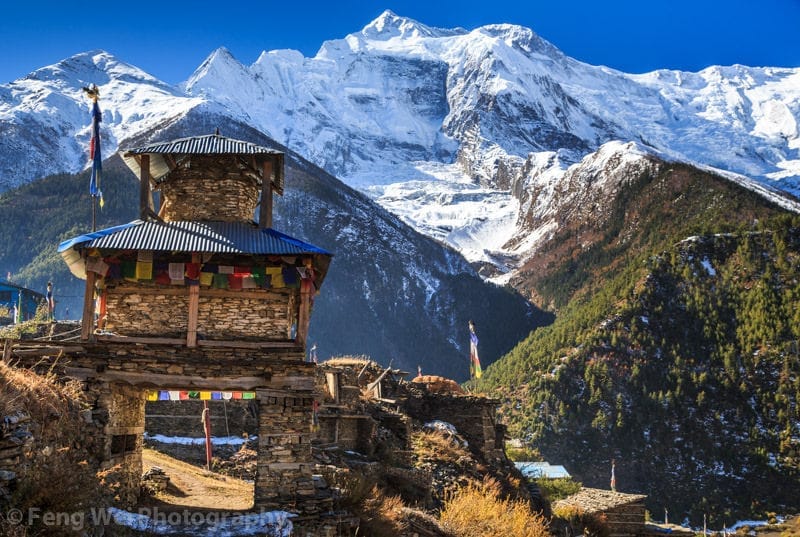
Thorong Peak Climbing is a popular and thrilling adventure program sought after by thrill seekers.The Thorong Peak, located to the south of Thorong La Pass, is the first mountain encountered along this route. This path is often chosen by those who appreciate the rich flora and fauna and expansive views of the Annapurna Himalayan range.
Along this trail, trekkers are treated to breathtaking mountain scenery, charming settlements inhabited by the Gurung people, with their slate-roofed homes, and magnificent rhododendron forests that bring joy to the heart. The highest point of the trek is the Thorang La Pass, which stands at an elevation of 5,416 meters. Detailed maps of this region are scarce, and the only peak listed on available maps for purchase is Khatung Kang (6,488m), which is not the mountain visible and climbable from Thorong La.
From the vibrant city of Kathmandu, the journey to Thorong Peak begins, and climbers make their way to the picturesque town of Pokhara. The trek traverses diverse landscapes, including lush forests, terraced fields, and welcoming villages inhabited by friendly locals. As climbers ascend to higher altitudes, they acclimatize along the way to prevent altitude-related issues. The route takes them through the renowned Annapurna Circuit, famous for its awe-inspiring views of snow-capped peaks such as Annapurna I, II, III, IV, and Dhaulagiri.
Upon reaching the base camp of Thorong Peak, climbers prepare for the challenging ascent. The climb involves technical sections and necessitates a good level of mountaineering skills, including the use of ropes, ice axes, and crampons. With guidance from experienced climbing Sherpas and guides, the climb is manageable and rewarding. The final push to the summit of Thorong Peak offers an unforgettable experience, with panoramic views of the surrounding Himalayan giants, including Manaslu, Gangapurna, and Nilgiri. Reaching the summit brings an overwhelming sense of achievement, with an expansive vista of mountain peaks stretching as far as the eye can see.
After descending from the peak, climbers return to the base camp and retrace their steps back to Pokhara. The entire Thorong Peak climbing experience typically spans around 20 days, allowing ample time for acclimatization, enjoyment of the stunning landscapes, and immersion in the local culture. It is important to note that Thorong Peak climbing requires physical fitness, prior trekking experience, and familiarity with mountaineering techniques. Climbers should also be prepared for changing weather conditions and equipped with appropriate gear to ensure safety and comfort throughout the journey.
Conquering Thorong Peak offers a thrilling adventure for mountaineers seeking a challenging yet rewarding experience in the magnificent Annapurna region of Nepal. The combination of breathtaking vistas, cultural encounters, and the sense of accomplishment makes it a truly unforgettable climb.
Cultural Experience:
Thorong Peak Climbing not only offers a thrilling adventure but also provides a rich cultural experience. Along the trekking route, trekkers have the opportunity to interact with the local communities, particularly the Gurung people, who inhabit charming settlements along the way. This allows climbers to immerse themselves in the local culture, witness traditional lifestyles, and gain insights into the unique customs and traditions of the region.
Biodiversity:
The Thorong Peak climbing route passes through diverse landscapes, showcasing the region’s remarkable biodiversity. Trekkers will encounter lush forests, vibrant rhododendron blooms, alpine meadows, and picturesque valleys. The area is home to a variety of plant and animal species, including rare and endemic flora and fauna. Climbers may spot Himalayan wildlife such as snow leopards, musk deer, and various species of birds, adding to the overall natural experience.
Accommodation:
During the Thorong Peak climbing journey, trekkers will find a range of accommodation options. Along the trail, there are teahouses and lodges that provide basic yet comfortable facilities for trekkers. These establishments offer warm hospitality, delicious local cuisine, and a cozy place to rest and recharge after a day of trekking. The teahouse experience also allows climbers to connect with fellow adventurers and share stories and experiences.
Difficulty Level:
Thorong Peak climbing is considered a challenging adventure. It requires a good level of physical fitness, stamina, and endurance. The ascent involves technical sections, including steep and rocky terrain. Climbers should be prepared for long and demanding trekking days, often at high altitudes. Prior trekking experience is recommended, along with some level of mountaineering skills, as climbers will need to navigate icy slopes and use equipment like ropes, crampons, and ice axes. Proper acclimatization is crucial to avoid altitude sickness and ensure a safe and enjoyable climbing experience.
Permits for Thorong Peak Climbing:
To climb Thorong Peak, climbers need several permits. The main permits include the Annapurna Conservation Area Permit (ACAP) and the Trekker’s Information Management System (TIMS) card. These permits are obtainable through authorized trekking agencies in Nepal.
In addition, climbers are required to obtain a climbing permit specifically for Thorong Peak. The climbing permit is issued by the Nepal Mountaineering Association (NMA) and requires climbers to provide necessary documents, including a valid passport and passport-sized photographs. It is important to work with a licensed trekking agency and follow the regulations and guidelines set by the NMA and other governing bodies for a safe and legal climbing experience.