Touch The Himalaya logo on a transparent background.

Gokyo Ri Trek - 13 Days

Destination

Himalaya, Nepal

Grade

Challenging

Start / End Point

Kathmandu

Accommodation

2/3 Star Hotel, 2/3 stars hotel, Guest house/ Lodge

Best Season

Feb-Jun/Sept-Early Dec

Meals Included

Breakfast/Lunch/Dinner

Activity

Trekking

Max. Altitude

5,380 m (17,651 ft)

Discover the Gokyo Ri Trek, where turquoise glacial lakes and a summit sunrise over Everest, Lhotse, and Cho Oyu reward every step through Nepal’s breathtaking Sherpa heartland. Text-only version of this trek page, with the full itinerary, prices, departures and inclusions in Markdown: https://touchthehimalaya.com.np/gokyo-ri-trek.md

Highlights

  • Mesmerizing Gokyo Lakes, a series of six stunning glacial lakes, known for their vibrant colors, ranging from emerald green to turquoise blue.
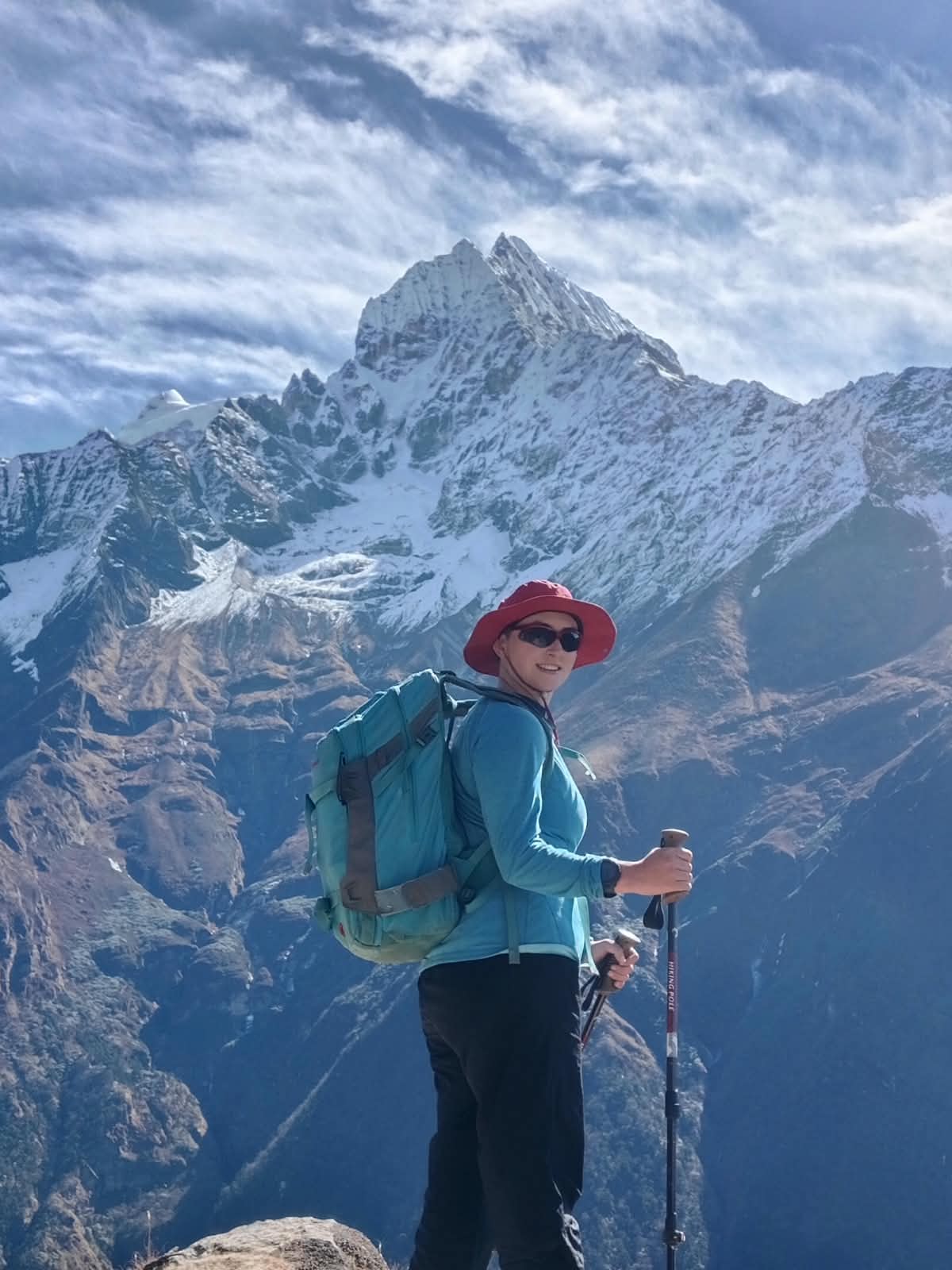
  • Gokyo Ri, a peak at an altitude of 5,357 meters, offers panoramic views of the Himalayan giants, including Mount Everest, Lhotse, Makalu, and Cho Oyu.
  • Encounter Himalayan wildlife, including musk deer, Himalayan tahrs, and various species of birds.
  • Picturesque landscapes, including rhododendron forests, alpine meadows, and snow-capped peaks, create stunning backdrops throughout the journey.
  • Experience the rich Sherpa culture and hospitality.
  • Interact with the friendly locals, and gain insights into their way of life and mountaineering traditions.
  • Explore Ngozumpa Glacier, he one of the largest glaciers in the Khumbu region.
  • Immerse yourself in the serenity of the dazzling glacial lake, especially in the afternoon.
  • Watch the sunrise and sunset of Everest and other mountains from Gokyo Ri (5,357 meters above sea level).

Gokyo Ri Trek

Explore Gokyo Valley including amazing view from Gokyo Ri

The Gokyo Ri Trek is a popular trekking route in the Everest Region of Nepal. It offers breathtaking views of some highest mountains in the world, including Mount Everest. Gokyo Ri Trek features the unbelievable scenery of the mesmerizing Gokyo Valley and its festival of beautiful turquoise lakes, moonscape-like glaciers, and stunning mountain views that include, Lhotse, Makalu, and Cho Oyu – four of the eight highest peaks on earth.

The trek usually starts with a flight from Kathmandu to Lukla, a small town in the Everest region. From Lukla, you’ll begin your trek, following the trail towards Phakding and Namche Bazaar. As you ascend, you’ll reach Namche Bazaar, a bustling Sherpa town and a popular resting point for trekkers. It’s a great place to acclimatize and explore the local markets, shops, and monasteries.

The Gokyo Ri Trek takes you to the beautiful Gokyo Lakes, a series of six glaciar lakes located at high altitudes. The lakes are known for their stunning colors and provide a picturesque setting for trekkers. You’ll have the opportunity to explore each lake and enjoy their serene beauty. The highlight of the trek is reaching the summit of Gokyo Ri, a peak standing at an altitude of 5,357 meters (17,575 feet). From the summit, you’ll be rewarded with breathtaking panoramic views of Mount Everest, Lhotse, Makalu, Cho Oyu, and other majestic peaks of the Everest region.

As you trek towards Gokyo, you’ll pass by the Ngozumpa Glacier, the largest glacier in the Himalayas. The glacier offers a unique opportunity to witness the grandeur of ice formations and experience the awe-inspiring power of nature in himalayan trekking adventure. Take a moment to appreciate the sheer size and beauty of this icy wonder.

The Gokyo Ri Trek takes you through some of the most breathtaking landscapes in the Everest region. You’ll be surrounded by towering snow-capped peaks, pristine glacial lakes, and stunning valleys. The views are absolutely stunning and will leave you in awe at every turn. The trek involves challenging terrains, including steep ascents and descents, rocky paths, and icy trails.

The Gokyo Ri Trek takes you to high altitudes, with Gokyo Ri summit reaching 5,357 meters (17,575 feet). As you ascend, you’ll experience the effects of altitude, such as reduced oxygen levels and lower temperatures. It’s important to acclimatize properly and follow a gradual ascent to minimize the risk of altitude sickness.

Flora and Fauna:

As you trek through the lower altitudes, you’ll pass through lush forests consisting of pine, cedar, and rhododendron trees. The rhododendron forests are particularly stunning during the spring season when they burst into vibrant colors, including shades of red, pink, and white. You’ll also come across juniper bushes, bamboo groves, and various alpine flowers.

The Everest region is home to a variety of wildlife, although sightings can be rare due to the altitude and rugged terrain. Some of the wildlife you may encounter include Himalayan tahrs (wild goats), musk deer, Himalayan pheasants, and the elusive snow leopard (very rare to spot). There are also numerous bird species, such as the colorful Danphe (Himalayan Monal), ravens, and various species of eagles.

Cultural Experience:

Trekkers can immerse themselves in the customs and way of life of the Sherpa population with the Gokyo Ri Trek in Nepal, providing a rich cultural immersion experience. Trekkers pass through charming Sherpa settlements like Namche Bazaar, Khumjung, and Phortse as they travel through the heart of the Everest region.

With their centuries-old monasteries, prayer wheels, and brilliant prayer flags flapping against the stunning Himalayan backdrop, these settlements are brimming with cultural legacy. The Sherpa people are renowned for their gracious hospitality, and they extend a warm welcome to guests in their homes and lodges where they can partake in traditional Sherpa cuisine, hear stories from the community, and learn about their Buddhist traditions. One of the most important spiritual hubs in the area, Tengboche Monastery, provides a deep window into the Sherpa people’s way of life.

The Gokyo Ri Trek also offers a chance to observe the Sherpa community’s remarkable adaption to the high-altitude environment. Trekkers will witness cleverly cultivated terraced farms of barley, potatoes, and spinach—sustenance staples for the Sherpas—on the rough mountainous terrain. The elaborate stone homes, with their unique architectural style, showcase the Sherpas’ resourcefulness in making use of indigenous materials and adjusting to severe weather patterns. Conversations with the Sherpas indicate a close bond with the mountains, which they regard as holy beings in addition to being their home. Therefore, the trek is a cultural adventure that showcases the Sherpa people’s resilience, spirituality, and rich traditions in addition to being a physical journey across stunning scenery.

Climate of Gokyo Ri Trek:

The Gokyo Ri Trek’s climate fluctuates greatly with the seasons, providing unique opportunities and difficulties. Trekking is best done in the spring (March to May) and fall (September to November), when bright skies and steady weather prevail. Daytime highs during these times range from 10°C to 15°C (50°F to 59°F) at lower elevations, but nighttime lows, particularly at higher elevations, can be below freezing. Rhododendrons blossom in spring and the surrounding foliage is abundant; in fall, crisp air and expansive views of the snow-capped peaks are there. The trails are busy with hikers during these seasons, and the weather is generally dependable, making them perfect for taking in the natural beauty and cultural diversity of the area.

On the other hand, the monsoon season (June to August) and winter (December to February) offer more difficult circumstances. At higher elevations, winter temperatures can drop as low as -20°C (-4°F), and heavy snowfall can make certain sections of the trail challenging to travel.

For those who are well-prepared and experienced, winter trekking offers seclusion and stunning snowscapes despite the cold. Heavy rains during the monsoon season, particularly at lower elevations, can cause landslides and slick pathways. Higher altitudes, such as Gokyo, see less rain and maintain a rather dry climate. When the clouds part, the monsoon also purges the atmosphere, providing breathtakingly brilliant views. Despite the problems posed by the weather, a safe and pleasurable walk may be achieved with the right planning and equipment for each season.

Difficulty Level:

The Gokyo Ri trek is considered a moderately challenging trek. It involves ascending to high altitudes, and the trail can be steep and rugged at times. You will need to have a reasonable level of fitness and be prepared for long days of hiking. Altitude sickness can also be a concern, so it’s important to acclimatize properly and be aware of the symptoms. Prior trekking experience is helpful but not mandatory for this trek.

Duration:

The duration of the Gokyo Ri trek can vary depending on the itinerary and individual preferences. On average, the trek takes around 12 to 14 days to complete. This duration includes the trekking days, rest days for acclimatization, and some buffer days in case of any delays due to weather conditions. The specific itinerary can be customized to fit your preferences and time availability.

Accommodation:

During the Gokyo Ri trek, we arrange accommodation in tea houses or lodges along the trekking route. These are basic but comfortable accommodations that provide rooms with twin beds, blankets, and shared bathroom facilities. While the amenities may vary depending on the location and altitude, we ensure that you have a safe and comfortable place to rest after a day of trekking. Please note that the availability of hot showers and heating may be limited in some places.

Meals:

As part of our services, we provide three meals a day during the Gokyo Ri trek. The meals are typically served in the tea houses or lodges where you stay. The menu options at these establishments include a variety of Nepali, Tibetan, and international dishes. You can expect meals like dal bhat (lentil soup with rice), noodles, pasta, momo (dumplings), soups, and a range of snacks. Vegetarian and non-vegetarian options are available, and we ensure that the food is hygienic and nutritious to keep you energized during the trek.

Guide:

Touch the himalayas provide experienced and licensed trekking guides for the Gokyo Ri trek. Our guides are knowledgeable about the local culture, traditions, and the trekking route. They are fluent in English and will accompany you throughout the trek, ensuring your safety, providing information about the surroundings, and assisting you with any issues that may arise. Our guides have a deep understanding of altitude sickness and are trained to handle any emergencies. They will make your trek more enjoyable and informative.

Insurance:

While we strongly recommend that you have comprehensive travel insurance that covers trekking activities, we do not provide insurance ourselves. It is your responsibility to arrange appropriate insurance coverage that includes emergency evacuation and medical expenses. Trekking in remote areas involves certain risks, and having insurance ensures that you are adequately protected in case of any unforeseen circumstances.

Permits:

For the Gokyo Ri trek, you will require two permits:

  1. Sagarmatha National Park Permit: This permit allows you to enter the Sagarmatha National Park, which is a protected area in the Everest region.
  2. TIMS Card (Trekkers’ Information Management System): The TIMS card is a trekkers’ database that provides information about trekkers and ensures their safety and security. It is mandatory for all trekkers in Nepal.

As ‘Touch the Himalaya,’ we will assist you in obtaining these permits. We will handle the necessary paperwork and make the arrangements to ensure that you have the required permits before starting the trek.

Please note that the facilities and services provided by ‘Touch the Himalayas’ may be subject to their specific policies and terms. It is advisable to directly contact the agency for the most accurate and up-to-date information.

All the trip grading can be view here.

If you have any confusion for booking process please visit our booking process.
Trip Difficulty

Moderate Trek These treks are suitable for experienced trekkers who are physically fit and have some prior experience in high-altitude trekking. The altitude may exceed 5,000 meters, and the terrain can be challenging with steep ascents and descents, rocky trails, and occasional snow or ice.

Day-to-Day Short Itinerary

  1. Day01Arrival in Kathmandu Check Into hotel
  2. Day02Trek preparation and introduce with trekking staffs
  3. Day03Fly to Lukla then trek to Phakding
  4. Day04Phakding trek to Namche Bazaar
  5. Day05Acclimatization day at Namche BazaarRest day
  6. Day06Trek from Namche to Dole - 5:30 hrs
  7. Day07Trek to Machermo -4:30 hours.
  8. Day08Trek to Gokyo Lakes - 5 hours.
  9. Day09Hiking upto Gokyo Ri (5483m/1983ft) and trek down to Machermo (4,480m/14,246ft) -walking 7:30 hours.Highest point
  10. Day10Trek to Namche Bazar -6 hours
  11. Day11Trek down from Namche to Lukla -6 Hours.
  12. Day12Fly out from Lukla to Kathmandu
  13. Day13Departure Flight Back to Say Goodbye and good and safe journey

Gokyo Ri Trek Detail Itinerary

13 days
Day1 of 13

Arrival in Kathmandu Check Into hotel

Arrival in Kathmandu Check Into hotelAltitude 1,400 mArrival
  • Max altitude1,400 m / 4,593 ft

Upon your arrival in Kathmandu, you will be greeted at the airport by our friendly office representative. They will warmly welcome you and assist with your airport pick-up. From there, you will be transferred to your designated hotel in Kathmandu.

Your accommodation will be provided at a comfortable 2 or 3-star hotel, ensuring a pleasant stay during your time in Kathmandu. After checking into the hotel, you will have the rest of the day free at your leisure. Take this opportunity to relax, unwind, and adjust to the new surroundings.

You can explore the city at your own pace, indulge in local cuisine, or simply rest and rejuvenate after your journey. Feel free to seek recommendations from the hotel staff or plan your activities for the following days. The vibrant city of Kathmandu has much to offer in terms of cultural experiences, historical sites, and delightful local markets.

Enjoy a peaceful overnight stay at your hotel, preparing yourself for the exciting adventures that await you in the enchanting country of Nepal.

Overnight2/3 Star Hotel

MealsBreakfast

Day2 of 13

Trek preparation and introduce with trekking staffs

Trek preparationAltitude 1,400 mPrep day
  • Max altitude1,400 m / 4,593 ft

After enjoying a delicious breakfast at your hotel, our team will pick you up and accompany you to our office. There, you will receive a comprehensive trek briefing and all the necessary preparations for your upcoming adventure. Our experienced staff will provide you with detailed information about the trek, including the itinerary, safety measures, and any other important details.

Following the trek briefing and preparation, you will have the opportunity to embark on an afternoon sightseeing tour in Kathmandu. This tour will take you to some of the most culturally significant and renowned heritage sites in the city.

First, you will visit Kathmandu Durbar Square, a UNESCO World Heritage Site that showcases exquisite Nepali architecture and historical landmarks.

Next, you will explore Swayambhunath, also known as the Monkey Temple, another UNESCO World Heritage Site.

After a fulfilling day of sightseeing, our team will drop you off at your hotel, where you can relax and reflect on the cultural wonders you have witnessed. Enjoy a comfortable overnight stay in Kathmandu, preparing yourself for the exciting journey that lies ahead.

Overnight2/3 stars hotel

MealsBreakfast

Day3 of 13

Fly to Lukla then trek to Phakding

PhakdingAltitude 2,544 mFlight
  • Max altitude2,544 m / 8,346 ft

You will board a short 30-minute flight covering 136km to reach Lukla at an elevation of 2,865m/9,397ft. From Lukla, your trek will span 8km and take approximately 3 hours to reach Phakding, nestled at an altitude of 2,544m/8,344ft. The difference in elevation between these two points is +1531m.

Upon arrival at Tenzing Hillary Airport in Lukla, you will make your way to nearby hotels to enjoy a refreshing cup of tea while the guide takes care of managing the porters and dividing the baggage among them. After this brief break, you will commence your trek towards Phakding.

As you embark on your Everest Base Camp trek, you will be captivated by a scenic 45-minute flight from Kathmandu to the tiny airstrip in Lukla. Upon landing, you will have some time to explore the surroundings while the guide organizes and distributes the load among the porters.

The trek from Lukla to Phakding will be a pleasant and relatively easy 3-hour walk. Along the way, you will pass through picturesque villages such as Cheplung (2,700m), Thado Koshi, and Ghat (2,590m). Amidst the enchanting landscapes, you will have the opportunity to stop for lunch at a suitable location.

Continuing your journey, you will reach Phakding village, where you will spend the night. Take advantage of your time in Phakding to explore the village and immerse yourself in the local culture. Phakding offers comfortable lodges where you can rest and rejuvenate before continuing your trek towards Everest Base Camp.

OvernightGuest house/ Lodge

MealsBreakfast, Lunch & Dinner

Day4 of 13

Phakding trek to Namche Bazaar

Namche BazaarAltitude 3,445 mTrek
  • Max altitude3,445 m / 11,302 ft

Phakding (2,544m) trek 10.4km to Namche Bazaar (3,445m/11,299ft). Walking time: 6 hours. Difference in elevation: +901m

After Breakfast at Fagding. This second day to EBC you will continue up the banks of the Dudh Koshi River, crossing it twice by small suspension bridges. The busy trail follows Dudh Koshi River and reaches Zamphuti where you can observe the beautiful view of Thamserku Peak then continued to Chomoa. will continued your trek and climb to Monjo 2,850m the entry point of Sagarmatha National Park, From there you will enter into the National Park. The trek continues to Jorsale where you will start your ascent to Namche Bazaar after crossing the large suspension bridge. Along the way you could get the first proper glimpse of Mt. Everest and other surrounding peaks. After half an hour walking You will Arrive at Namche Bazaar. Namche Bazaar is a prosperous trading town and the capital of the Khumbu Region, which is known as the gateway to Everest and has some modern facilities including some very good lodges, several monasteries, shops, bakeries, an army camp, Sagarmatha National Park quarter, museum etc.

OvernightGuest house/ Lodge

MealsBreakfast, Lunch & Dinner

Day5 of 13

Acclimatization day at Namche Bazaar

Acclimatization day at Namche BazaarAltitude 3,445 mAcclimatization
  • Max altitude3,445 m / 11,302 ft

This day after breakfast you can do some hike to acclimatize your body there is several option for day hiking, you can hike 1.6km up the hill behind Namche Bazaar then after you are at the top of the hill overlooking Everest View Point Hotel. You can visit the Sagarmatha National Park Museum a great place to learn Sherpa culture and history of mountaineering. And you can spent your day in Namche Bazaar resting and allowing your bodies to become acclimatized to the altitude of (3,612m/11,283ft). then after you can walked around the shopping market and the surrounding areas.

OvernightGuest house/ Lodge

MealsBreakfast, Lunch & Dinner

Day6 of 13

Trek from Namche to Dole - 5:30 hrs

DoleAltitude 4,040 mTrek
  • Max altitude4,040 m / 13,255 ft
  • Trek duration30 h

Today after breakfast you will start your trek with pleasant walk through the forest with magnificent view of mountains. The great view of the mighty peaks of Everest, Nuptse, Lhotse, Ama Dablam, Thamserku and Kwangde peak with view of the eastern snow-capped mountains. Cross another high bridge at the village of Phunki Tenga, where you can also stop for lunch. The journey from Namche Bazar to Dole covers a distance of approximately 5:30-6 hours of walking. The maximum altitude reached during this Day trek is 4,040m/13,251ft. Accommodation for the night will be arranged in comfortable guesthouses or lodges in Dole.

OvernightGuesthouese/Lodge

MealsBreakfast, Lunch & Dinner

Day7 of 13

Trek to Machermo -4:30 hours.

MachermoAltitude 4,480 mTrek
  • Max altitude4,480 m / 14,698 ft
  • Trek duration30 h

The trek from Dole to Machermo takes approximately 4:30 hours of walking. The maximum altitude reached during this trek is 4,480m/14,246ft. You will be provided with breakfast, lunch, and dinner to fuel your journey. Accommodation for the night will be arranged in comfortable guesthouses or lodges in Machermo.

OvernightGuest house/Lodge

MealsBreakfast, Lunch & Dinner

Day8 of 13

Trek to Gokyo Lakes - 5 hours.

Gokyo LakesAltitude 4,750 mTrek
  • Max altitude4,750 m / 15,584 ft
  • Trek duration5 h

The trek to Gokyo Lakes is a scenic journey that takes approximately 5 hours of walking. You will reach a maximum altitude of 4,750m/15,580ft during this trek. Along the way, you will be provided with breakfast, lunch, and dinner to sustain your energy. Accommodation for the night will be arranged in comfortable guesthouses or lodges near the mesmerizing Gokyo Lakes.

OvernightGuest House/ Lodge

MealsBreakfast, Lunch & Dinner

Day9 of 13

Hiking upto Gokyo Ri and trek down to Machermo (4,480m/14,246ft) -walking 7:30 hours.

MachermoAltitude 5483 mTrekHighest point
  • Max altitude5,483 m / 17,989 ft
  • Trek duration30 h

The day begins with a challenging hike up to Gokyo Ri, reaching a maximum altitude of 5483m/1983ft. The hike offers breathtaking views and takes approximately 7:30 hours of walking. After enjoying the panoramic vistas, you will trek down to Machermo at an elevation of 4,480m/14,246ft. Throughout the day, you will be provided with meals including breakfast, lunch, and dinner. Accommodation for the night will be arranged at comfortable guesthouses or lodges in Machermo.

OvernightGuest House/ Lodge

MealsBreakfast, Lunch & Dinner

Day10 of 13

Trek to Namche Bazar -6 hours

Namche BazarAltitude 3,440 mTrek
  • Max altitude3,440 m / 11,286 ft
  • Trek duration6 h

After taking in the magnificent view from Gokyo Ri and descending to Machermo, it’s time to continue your trek to Namche Bazaar. This leg of the journey will take approximately 6 hours. As you make your way down, you’ll be greeted by the breathtaking scenery of the Himalayas, with their towering peaks and serene valleys.

The trail will lead you through picturesque landscapes, passing through charming villages along the way. After a day of trekking, you’ll finally reach Namche Bazaar, where you will spend the night. Namche Bazaar, nestled at an altitude of 3440m/11,286ft, is a vibrant and bustling town known as the gateway to the Everest region.

Upon arrival, you can celebrate your journey and immerse yourself in the warm hospitality of the guesthouses and lodges. Enjoy a well-deserved meal, comprising of a delicious breakfast, lunch, and dinner, as you revel in the achievements of your trekking adventure. Take the opportunity to explore the town, interact with the locals, and soak in the unique atmosphere of this vibrant mountain community. Rest well, for tomorrow holds new adventures and wonders to discover.

OvernightGuesthouse/Lodge

MealsBreakfast, Lunch & Dinner

Day11 of 13

Trek down from Namche to Lukla -6 Hours.

LuklaAltitude 2,804 mTrek
  • Max altitude2,804 m / 9,199 ft
  • Trek duration6 h

This days is the final descent into Lukla (2860m). On the way, you will trek through the forest of rhododendrons and pine until reaching the Sherpa village. Here, you’ll have the opportunity to say a final goodbye and thanks to the local team staff before moving on to Lukla.

OvernightLodge/Guest house

MealsBreakfast, Lunch & Dinner

Day12 of 13

Fly out from Lukla to Kathmandu

KathmanduAltitude 1,400 mFlight
  • Max altitude1,400 m / 4,593 ft

This is the last day in mountain as you fly back to Kathmandu after the incredible mountain journey. Back in Kathmandu, you can spend some time reflecting on the trek and doing last-minute souvenir shop in Thamel. Relax and enjoy meet up for some beers and dinner in the evening to celebrate a successful completion of the trek.

OvernightGuest House

MealsBreakfast, Lunch & Dinner

Day13 of 13

Departure Flight Back to Say Goodbye and good and safe journey

Say GoodbyeAltitude 1,400 mDeparture
  • Max altitude1,400 m / 4,593 ft

As your journey in Nepal draws to a close, it is time to bid farewell to the majestic mountains that have accompanied you throughout your stay. We sincerely hope that you have enjoyed the tour with us and that the memories created will forever hold a special place in your heart. Rest assured, we are confident that you will find yourself returning to the Himalayas in the future, eager to embark on new adventures.

Approximately three hours before your scheduled flight, a representative from Touch The Himalayan will be available to transfer you to the airport. They will ensure a smooth and comfortable journey, allowing you to relax and reminisce about your experiences in Nepal. As you make your way back home, you will have ample time to reflect on your incredible journey and plan your next adventure in this wonderful country. Nepal offers a multitude of captivating destinations and exciting activities, beckoning you to explore further.

We bid you farewell with warm wishes for a safe and pleasant journey. Goodbye for now, and we hope to welcome you back to Nepal soon!

Overnight2/3 Star hotel

MealsBreakfast

What is included in this trek package?

Transportation

  • ✓Airport pick up and drop off by Car, jeep, Hiace or Bus. Depends on the number of arrives.
  • ✓Kathmandu-Lukla (trekking starting point and after the trek ) Lukla to Kathmandu by flight

Food Meals

  • ✓Complimentary welcome or farewell dinner according to the suitability of our client’s time.
  • ✓Three meals a day during the trek (Breakfast/Lunch/Dinner)

Accommodation

  • ✓Beginning two nights stay on arrival in Kathmandu in tourist standard hotel with breakfast included (twin share basis)
  • ✓All accommodation during trek (Tea house/guesthouse)

Trekking Permits

  • ✓All necessary trekking permit And fees, (Everest National Park permit and TIMs cards).

Guide Porter

  • ✓An experienced, English-speaking, government-licensed, first aid trained Everest special trekking guide and assistant guide (10 trekkers: 1 assistant guide)
  • ✓Expert local porter from Everest area (2 trekkers: 1 porter)
  • ✓Basic First-aid kit (carried by trekking guide)

Other

  • ✓Duffel bag, (to be returned after trip completion), complementary trekking maps. If needed down jacket and sleeping bag will be provided in rent.
  • ✓All government and local taxes for Trekking, Agency service charge and government tax/vat.
  • ✓Achievement Certificate

Travel Insurance

  • ✓Staff costs including their salary, insurance, Equipment, transport, food and accommodations
  • ✓Rescue arrangements if necessary.

What is excluded

International Flights

  • ×International airfare and Nepal visa fee.

Accommodation

  • ×Lunch and Dinner in Kathmandu
  • ×Extra night accommodation in Kathmandu because of early arrival, late departure, early return from mountain (due to any reason) than in the scheduled itinerary

Travel Insurance

  • ×Personal insurance which covers medical, emergency evacuation, loss or theft of property.

Clothing Personal Gear

  • ×Personal gears and equipment.

Other Expenses

  • ×Personal expenses such as laundry, hot showers, battery charging, Wifi, etc
  • ×Entry fees and costs in sightseeing (temples, monasteries, etc)

Tips Gratuities

  • ×Tips and gratitude provided to guide and porter.

Gokyo Ri Trek Map

Download trek map

Gokyo Ri Trek Altitude Profile

02,0004,0006,000 mArrival inKathmandu CheckInto hotel1,400 mDay 1Trek preparation1,400 mDay 2Phakding2,544 mDay 3Namche Bazaar3,445 mDay 4Acclimatizationday at NamcheBazaar3,445 mDay 5Dole4,040 mDay 6Machermo4,480 mDay 7Gokyo Lakes4,750 mDay 8Machermo5,483 mDay 9Namche Bazar3,440 mDay 10Lukla2,804 mDay 11Kathmandu1,400 mDay 12Say Goodbye1,400 mDay 13

FAQs For Gokyo Ri Trek - 13 Days

General Information

What is the age limit for Gokyo Ri trekking?

The age limit has not been precise for the trek but the traveler should be physically fit, mentally stable should have an insurance which must cover the emergency evacuation, medical conditions and accidental cases. In case of insurance the travelers are need to pay here in Nepal first and then claim to their insurance company later.

Does additional medicine are need to be brought for the trekking?

It is better to bring additional medicine for the backup. However our guides will carry the first kid aid. The medicine such as Acetazolamide- to prevent and reduce the altitude sickness, Paracetamols for the fever and diarrhea tablets should be carried.

What will be the arrangement provided on the trekking?

The best tea house in the local region will be provided for our clients which will have a comfortable bed and good local food. The trek will be eco-friendly and the way travelers are looking for.

Where is it possible to store extra baggage which is not required during the trekking?

Yes, extra luggage which are not needed during the trek can be stored in the hotels or in our office safely in Kathmandu.

What if I need to leave early or unable to continue the trek?

In this case, we will manage the necessary transportation and reservation for our clients; According to the client’s demand we can also manage the helicopter for the safely evacuation of our clients. But there will be no any refund which has been paid for the package though it has not been used. For the further information of cancellation, click on the highlighted cancellation.

Is there communication facilities on the mountain?

For the communication, mobile phones are used all over the Nepal and the facility of internet are available in the mobile phones and tea houses as well.

If I arrive early or depart late, can you manage lodging?

Yes, we can manage your extra night lodging if in any case our guests arrive early or depart late. Please feel free to contact us for further required lodging information.

Is tipping mandatory?

Tips are not obligatory. It is a kind of showing the gratitude towards the person who have helped you during the visit. It can be in USD or Pound or Nepali Rupee.

Preparation & Fitness

Are the guides well trained?

We provide local guides and porters who are from the same region and very well experienced. They are also certified by the government. They have a well training through which they can handle any situation which comes under. They have well knowledge of geology, history and culture of the travel region.

Insurance & Visa

Is insurance required for trekking?

Yes, The travelers should have the international insurance which should cover the emergency evacuation, medical conditions and accidental cases. In case of insurance the travelers are need to pay here in Nepal first and then claim to their insurance company later.

Food & Drinks

What types of foods avilable in trek ?

Meal will be provided by menu in mountain, most of the teahouse provide very much similar menu however the cost will be different each and other sattelment. Normally breakfast is usually either hot porridge, muesli or Tibetan bread served with an omelette or boiled eggs. There will usually be a choice of traditional Nepalese dhal bhat (a mixed plate of lentils, rice, vegetables and pickles – delicious and healthy!), Nepalese dumplings (momo’s), mixed noodles, pasta and even pizza. Although meat is available at some teahouses, we suggest you ask your guide for their advice re consumption as it tends to depend on how far it has travelled as to whether it is a safe option.

Weather

What is the best season for trekking?

During the pre-monsoon and post monsoon will be the best season to trek. The months of pre-monsoon are March, April, July and post monsoon are September, October, November. In December, January, February the weather might get a little bit colder and in June, July, August rain might cause a problem. If the travelers want to avoid the crowd and enjoy the trip privately then our guides can assist through the alternative trials.

Health & Safety

What about altitude sickness during the trek?

Altitude sickness is also known as mountain sickness. Mountain sickness is the main problem for any mountain trekkers. Some time trekkers might have altitude sickness during Everest Base Camp trek There are different types of sickness like-

  • AMS – Acute Mountain sickness – AMS is a very common sickness like a hangover, dizziness, muscle ache, nausea, headache vomiting tec
  • HAPE – High Altitude Pulmonary Edema – HAPE direct impact on lungs it’s fluid in the lungs which are dangerous for breathing.
  • HACE- High Altitude Cerebral Edema – HACE it’s the different form of altitude sickness its fluid in the brains

Thus, HAPE and HAPE are the main dangerous and life-threatening form of mountain sickness. Patient has to treat on time if not treated on time if late they may die. Whereas AMS is normal mountain sickness then HACE and HAPE.

What are the tips for avoiding altitude sickness in Everest Base Camp trek?

There are some tips to which our company would like to guide for the travelers to avoid altitude sickness; such as:

  • Avoiding the drinks which contains the caffeine added, smoking and alcohol
  • Travel slowly concerning your health
  • Drinking more amount of water i.e. minimum 3-4 liters per day
  • Being familiarized with the environment and having a healthy foods and beverage
  • Continuing with Diamox if needed, it is carried for the backup
  • We prefer Garlic soups to sustain the environment

Packing & Gear

Is there any modes to carry our gears?

We provide porter to carry the travelers baggage however most of the travelers carry their personal stuffs with them and the other bag are carried by our porter. If the travelers are also uncomfortable to carry their personal stuffs then we can manage it.

Booking & Payments

What are The extra Cost there ?

The following are not included in the trip price:

  • Travel insurance
  • Visas and vaccinations
  • Tips for the guides and porters (optional)
  • Showers and charging while trekking
  • Accommodations in Teahouse/guesthouse
How much the tentetively extra costs per day ?

Normally we include meals and accommodation on the trek, How ever drinks and personal expenses are needed to carry by your self. As from our experience we know that altitude and physical exercise can mean appetites vary hugely. Cost goes higher in the mountain as we ascend because all the supplies carried in by porters, donkeys, yaks and by Helicopter, Over the snowline (3500 meter), rarely very little food can be grown. How much you spend per day will depends according to your choice of meal but generally, people spend between 2000 to 3000 Nepali Rupees per person per day on meals and accommodation. 1 $ value more or less about 100 Nepali Rupees.

Does the domestic flights gets cancelled or delayed?

Due to the weather conditions domestic flights could get cancelled or delayed but alternative way will be used to complete the trip successfully and happily in such cases (According to the travelers willing)

Is ATM service available during the trekking?

In most of the region ATM service are not available so we suggest our travelers to carry the amount they required from Kathmandu.

You may also like

Exclusive Private Treks in Nepal

Any of our treks can be booked as a private trek on the dates you choose. Only your own group walks with your guide — we never add other travellers. Prefer company? Join a fixed group departure instead.

Why Choose A Private Trek?

Personalized itineraries

Tailor your trek to fit your schedule and preferences.

Dedicated guide & porter

Expert guidance with personal attention on restricted trails.

Safety & health

Custom acclimatisation and emergency support from Kathmandu.

Flexible schedule

Trek at your pace without the pressure of a mixed group.

Privacy & comfort

Perfect for couples, families, and small private groups.

From · 13 days

US$ 974pp

Chat with MadanTypically replies in a few minutes