Introduction of Annapurna Circuit Trek
The Annapurna Circuit Trek is a popular trekking route located in the Annapurna region of Nepal. It is renowned for its stunning mountain landscapes, diverse flora and fauna, and rich cultural experiences. This trek is best of the Annapurna Circuit, offering a unique insight into the natural and cultural diversity of Nepal.
Trekking in the Annapurna region is the best approach to have a close look at the formation of mysterious nature’s wonders which have facilitated this region to be highly concentrated trekking spot amongst the world since 1977 when it was first time opened for the foreigners. This region has been recognized as one of the World’s best Trekking trails according to a survey by Modern Maturity (USA).
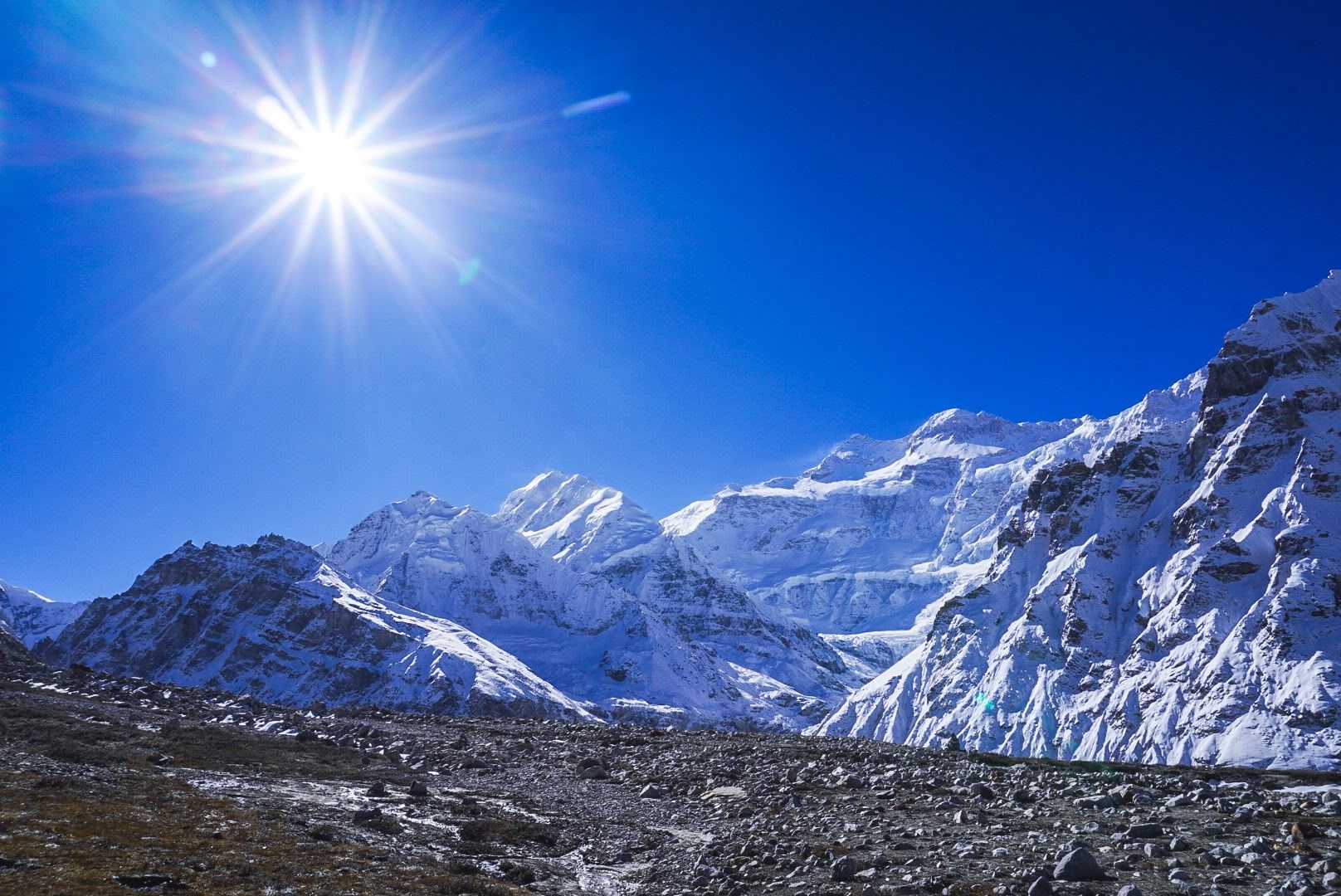
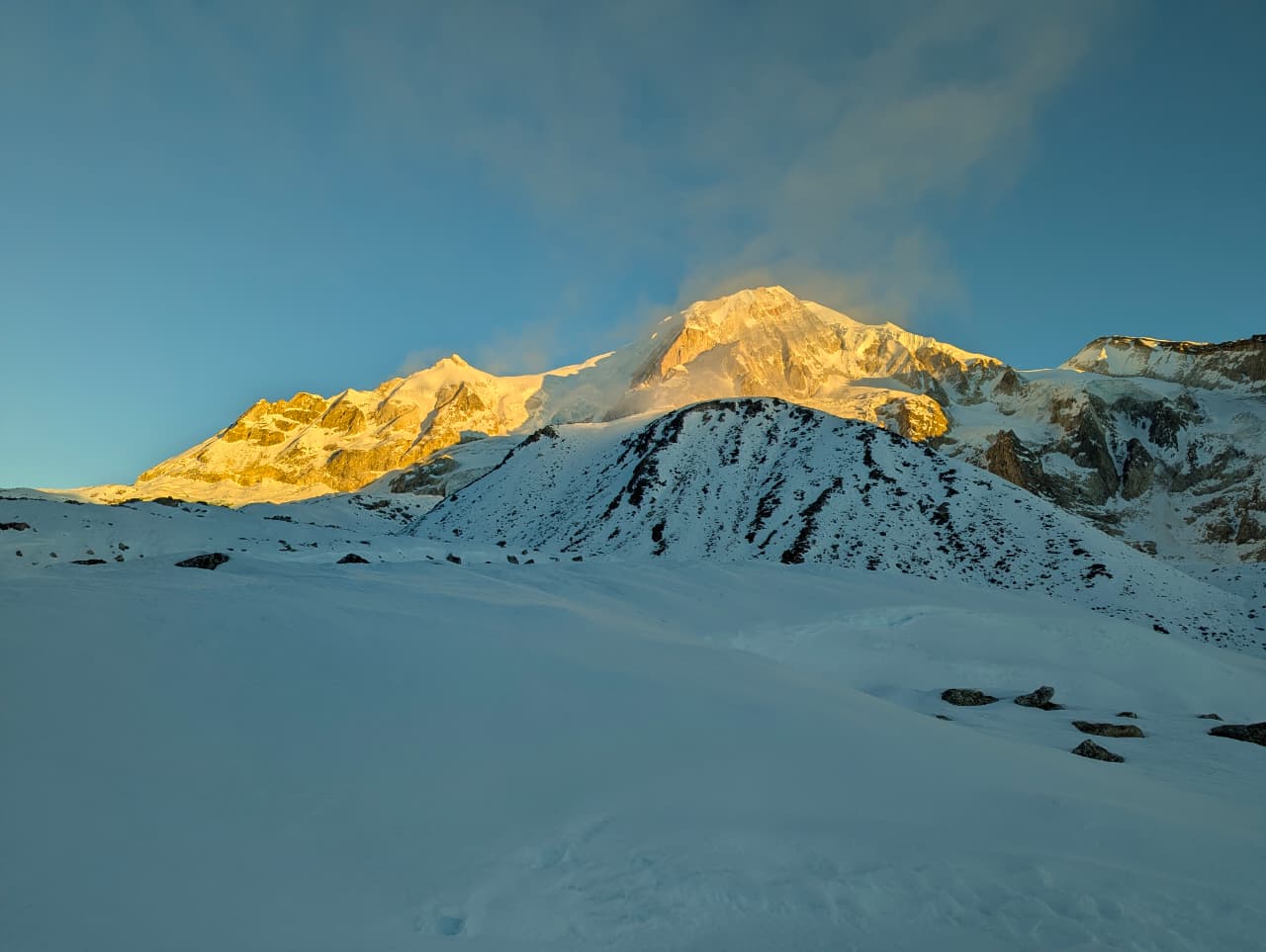
Throughout the trek, you’ll be treated to awe-inspiring panoramic views of some of the world’s highest peaks. The Annapurna and Dhaulagiri mountain ranges dominate the skyline, offering stunning vistas of peaks such as Annapurna I, Annapurna II, Annapurna III, Gangapurna, Nilgiri, and Machhapuchhre (Fishtail). The Annapurna Circuit is known for its stunning natural beauty. As you trek through the route, you’ll be treated to breathtaking views of snow-capped peaks, deep valleys, cascading waterfalls, and terraced fields. The landscapes change dramatically from lush forests to arid high-altitude deserts, providing a diverse visual experience.
Explanation of Annapurna Circuit Trek
The Journey starts when you arrive at Kathmandu’s Tribhuvan International Airport (TIA) and are greeted by tthimalaya office representative, who will carry your name and “Touch The Himalaya” written banner. They will take you to your 2- or 3-star hotel, where you will have breakfast. The rest of the day is free for you to explore the city at your own pace. The next day, you will visit our office for a brief explanation of the trekking program and visit some of Kathmandu’s most famous cultural heritage sites, such as Swayambhunath and Kathmandu Durbar Square. You will also have time to shop for the most important equipment for your upcoming trek.
After breakfast, we will drive to Besisahar, which is about 178 kilometers away and will take about 6 hours. Along the way, we will pass by the Trishuli and Marshyangdi rivers, which are popular rafting destinations. We can stop for lunch near the rivers and take some pictures. In Besisahar, we will switch to jeeps and drive to Dharapani, which is about 35 kilometers away, and stay overnight in Dharapani. The next morning, we will start our trek to Chame. We will hike through forests of fir trees and rocky terrain, and we will have views of the Manaslu and Annapurna II mountains. We will stay overnight in Chame. Spend a night in Chame.
The next day we head to another beautiful village called Pisang, which is divided into Upper Pisang and Lower Pisang, each with its own charm. The village is known for its ancient Buddhist monastery and traditional architecture. You can take a short hike to Upper Pisang for panoramic mountain views or explore the lower village’s narrow alleys and stone houses. Another day, trek to Manang, which is a popular rest stop and acclimatization point for trekkers. The village offers stunning views of the surrounding peaks, ancient monasteries like Gangapurna Lake and Braga Monastery, and a glimpse into the unique culture and lifestyle of the Gurung and Manangi people. Overnight for two days in Manang.
Then we trek for 4-5 hours from Manang to reach Letdar (a small village located at an altitude of 4,230 meters), which takes you through some of the most stunning scenery in the Annapurna region, pine forests, and past small villages, offering stunning views of the surrounding mountains, including Annapurna III, Manaslu, and Himalchuli. Letdar offers a few guesthouses here where you can stay overnight. The views from Letdar are incredible, and you can often see Mount Everest on a clear day. The next day, the 4-hour trek from Letdar to Thorong High Camp is a stunning journey through the Himalayas, with stunning views of the surrounding mountains and a variety of accommodation options available.
The trek from Thorong High Camp to Muktinath is challenging but rewarding. The trail descends from an altitude of 5,416 meters to 3,800 meters and passes through some of the most stunning scenery in the Annapurna region. Along the way, you’ll see snow-capped peaks, lush forests, and cascading waterfalls. You’ll also have the opportunity to visit the Muktinath Temple, which is a popular pilgrimage destination for both Hindus and Buddhists. The temple is dedicated to Vishnu, the Hindu god of preservation, and is also known as Jyotirlinga, one of the 12 most sacred Hindu pilgrimage sites. The main temple, a two-story structure with a golden roof, was built in the 14th century by the Malla kings of Nepal.
You will trek from Muktinath to Kagbeni, the gateway to Upper Mustang. After lunch, you will continue your trek to Jomsom. From Jomsom, you will drive or fly back to Pokhara. Then, you will drive back to Kathmandu by bus, car, or plane. When we reach Kathmandu, you will have our sweet farewell party, sightseeing the remaining historical places, and an overnight stay in the BB hotel. The next day, you will depart for the international airport. Approximately 3 hours before your scheduled flight, a representative from Touch The Himalaya will transfer you to the airport. On your way home, you will have plenty of time to plan your next adventure in the wonderful country of Nepal.
Cultural Immersion of Annapurna Circuit Trek
The Annapurna circuit trek also offers an opportunity to immerse yourself in the local culture of the region. You’ll pass through traditional Nepali villages, where you can interact with the friendly locals and learn about their way of life. The region is inhabited by a mix of ethnic groups, including Gurungs, Thakalis, and Manangis, each with their unique customs, traditions, and architecture.
Biodiversity of Annapurna Circuit Treak
The Annapurna Circuit is well-known for its abundant biodiversity as well as its breathtaking mountain views. With its wide diversity of ecosystems ranging from alpine meadows to subtropical forests, the area is home to an incredible variety of plants and animals. Rich forests with towering rhododendron trees, bamboo groves, and a variety of bird species, including vibrant pheasants and elusive hornbills, abound at the lower elevations.
Hikers encounter alpine scrub and grasslands as they ascend, where rocky terrain is home to blue sheep and Himalayan tahr. With over 1,200 varieties of flowering plants, including numerous rare and unique species, the Annapurna Conservation Area, which covers a large portion of the circuit, is a botanical haven for lovers of the great outdoors.
In addition, the Annapurna region is home to a wide variety of species, such as Himalayan black bears, red pandas, and secretive snow leopards. These animals and their habitats have been protected thanks to conservation initiatives within the Annapurna Circuit, guaranteeing their existence for future generations. Trekkers get to see this incredible biodiversity up close as they make their way around the circuit, which helps them get a profound understanding of how interrelated everything is in this delicate and unspoiled ecosystem. The biodiversity of the Annapurna Circuit is being protected via conservation and responsible tourism, ensuring that future generations can enjoy its natural treasures in all their splendour.
Climate found in Annapurna Circuit Trek
The climate along the Annapurna Circuit trek can vary based on the season and altitude. The optimal time to undertake this trek is during the spring (March to May) and autumn (September to November) seasons. These months offer stable weather conditions and clear skies, providing excellent mountain views.
During the daytime at lower altitudes, temperatures range from 15°C to 25°C (59°F to 77°F). However, as you ascend to higher elevations, the temperatures drop significantly, and nights can be quite cold, with temperatures dropping below freezing point. It’s crucial to pack appropriate clothing layers to adapt to the changing temperatures. The monsoon season from June to August brings heavy rainfall, making the trails muddy and less favorable for trekking.
Difficulty Level of Annapurna Circuit Trek
The Annapurna Circuit trek is considered a challenging trek that requires a good level of physical fitness and some prior trekking experience. The trek involves long daily walks, steep ascents and descents, and hiking at high altitudes. The highest point of the trek is Thorong La Pass, standing at an altitude of 5,416 meters (17,769 feet). Altitude sickness can be a concern, so proper acclimatization is vital. The duration of the trek, combined with the challenging terrain and high altitude, makes it physically demanding. However, with adequate preparation, acclimatization, and a gradual ascent, it is achievable for trekkers with reasonable fitness levels.
Accommodation and Local Cuisine
Along the trekking route, there are teahouses and guesthouses that provide accommodation and meals. Staying in these rustic lodges gives you a glimpse into the local way of life. You can enjoy authentic Nepali cuisine, such as dal bhat (rice with lentil soup), momos (dumplings), and thukpa (noodle soup), which provide nourishment and energy for the trek.
Best Time to Go for Annapurna Circuit Trek
The best time to undertake the Annapurna Circuit Trek is during the spring (March to May) and autumn (September to November) seasons. These months offer pleasant weather, clear skies, and moderate temperatures, making for comfortable trekking conditions. However, it’s essential to be prepared for unpredictable weather in the mountains.
Required Permits for Annapurna Region
Trekkers are required to obtain the Annapurna Conservation Area Permit (ACAP) and the Trekker’s Information Management System (TIMS) card. These permits help in the conservation efforts of the region and provide important information about trekkers.
All the trip grading can be view here.
If you have any confusion for booking process please visit our booking process.