Touch The Himalaya logo on a transparent background.

Mera Peak Climbing - 18 Days

Destination

Himalaya, Nepal

Grade

Extreme

Start / End Point

Kathmandu

Accommodation

2/3 Star Hotel, 2/3 stars hotel, Guest house/ Lodge

Best Season

March-May/Sept-Dec

Meals Included

Breakfast/Lunch/Dinner

Activity

Climbing / Expedition

Max. Altitude

6,476 m (21,247 ft)

Stand atop Nepal’s highest trekking peak at 6,476 meters and soak in jaw-dropping Himalayan panoramas on the adventure of a lifetime. Let’s turn your Mera Peak climbing dream into a safe, well-planned reality with insider tips for every step of the… Text-only version of this trek page, with the full itinerary, prices, departures and inclusions in Markdown: https://touchthehimalaya.com.np/mera-peak-climb.md

Highlights

  • Best Selling Peak Climbing
  • Panoramic Himalayan Views: Enjoy stunning vistas of Everest, Lhotse, Makalu, Cho Oyu, and Kanchenjunga from the summit.
  • High-Altitude Adventure: Trek through the remote and pristine trails of the Hinku Valley.
  • Beginner-Friendly Climb: Experience a non-technical climb ideal for aspiring mountaineers.
  • Cultural Immersion: Discover Sherpa villages and their unique Himalayan traditions.
  • Glacial Landscapes: Traverse beautiful glaciers and alpine terrain on your journey.
  • Spectacular Summit Sunrise: Witness an unforgettable sunrise over the world’s tallest peaks.

Mera Peak Climbing – An Epic Himalayan Adventure for Experienced Trekkers.

Experience the thrill of climbing Mera Peak, Nepal’s highest trekking peak at 6,476 meters, which offers a once-in-a-lifetime challenge for aspiring climbers. For those looking for an amazing experience, conquering Mera Peak climbing is a dream come true because of its difficult terrain and breathtaking views.

This complete guide will provide you with all the knowledge and professional advice you need to guarantee a safe, organized, and thrilling Mera Peak climbing.

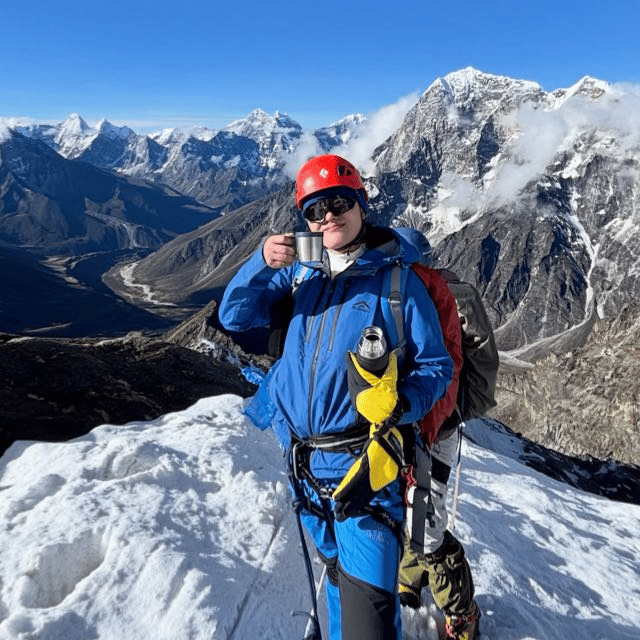
Imagine yourself at the top of Mera Peak, looking down at a beautiful scene of snow-capped huge mountains.

Choosing the best time to climb Mera Peak is essential to a successful and pleasurable journey. The peak seasons for ascending this Nepalese giant are typically spring (March to May) and autumn (September to November), when the weather conditions are relatively stable and favorable for climbing. During these periods, you can expect clear skies, moderate temperatures, and minimal precipitation, enhancing your chances of reaching the summit safely.

Planning Your Mera Peak Climbing

Which is the Best Time to Climb Peaks in Nepal?

Choosing the best time to climb Mera Peak is essential to a successful and pleasurable journey. The weather of the Himalayas is harsh and very unpredictable so picking the right season is a must before attempting to climb the peak. The best times to climb the Peak of Nepal are usually in the spring and fall when the weather is more stable and favorable for climbing. During the monsoon or winter, the rain and snow cause major disturbances such as avalanches in the Himalayas. There are two separate climbing seasons at Nepal Peak Climbing, and each has its benefits:

Spring (March-May): Spring is the best time to climb the Peaks. At this time, you can enjoy pleasant weather with a clear atmosphere and minimal snowfall. Afternoon clouds can occasionally build, but visibility is generally good.

Autumn (September-November): Another best time to climb Mera Peak is Autumn. At that time, experience a crystal-clear atmosphere and stable temperatures, perfect for taking in the stunning Himalayan views. Be well prepared for colder nights at higher altitudes.

Dividing Expenses: Budgeting for Your Mera Peak Climbing Cost

Although Mera Peak climbing can be costly, careful planning and budgeting will help you keep expenditures under control and make this a pocket-friendly expedition. Here’s a breakdown of the typical expenses you can expect:

Permits and Documentation: Mera Peak Climbing Permit, TIMS card, Sagarmatha National Park entry fee.

Guides and Porters: Hiring experienced guides and porters is highly recommended for safety and logistical support.

Equipment and Gear: High-quality climbing gear, including crampons, ice axes, ropes, and appropriate clothing layers.

Transportation: Flights to and from Lukla, as well as local transportation to and from the airport.

Accommodation and Meals: Teahouse stays and meals during the trek and climb.

Insurance: Complete travel and climbing insurance for emergencies.

Note:
The cost of your Mera Peak Climbing can vary depending on several factors, including:

Trip Duration: Longer expeditions with more acclimatization days will naturally cost more.

Group Size: Smaller, personalized groups tend to be pricier than larger ones.

Chosen Operator: Different operators offer varying levels of service and amenities, depending on your budget.

Expect a cost range of approximately US$ 1,883 per person. Remember, this is an investment in your safety and an unforgettable experience.

How Difficult is Climbing Mera Peak?

While Mera Peak is not a technical climb requiring advanced rope skills, it’s a high-altitude challenge (6,476 meters) demanding good physical fitness and mental preparation. Proper acclimatization is crucial for a safe and enjoyable experience. Proper experience as well as dependable guides and porters are a must for climbing this peak. It is recommended that you have prior experience trekking at least up to 4000 meters before attempting this peak climb.

Securing Your Path: Obtaining Mera Peak Climbing Permits

Obtaining a Mera Peak Climbing Permit is mandatory for any expedition. The primary permit required is the Mera Peak Climbing Permit, which can be acquired from the Nepal Mountaineering Association (NMA) or through a reputable trekking agency. Additionally, you’ll need a Trekkers’ Information Management System (TIMS) card and a Sagarmatha National Park entry permit, as the peak is located within the boundaries of this protected area. Fees typically cover essential services like park entrance and waste management.

Mera Peak Climbing Routes- “Featuring Breathtaking Views and High-Altitude Challenges”

The standard Mera Peak climbing route offers stunning scenery and well-established trails. Key milestones include picture-perfect villages like Chhukung and Khare, and camps like BaseCamp and High Camp. For an even more adventurous experience, consider including the challenging Amphu Laptsa Pass trek, adding an extra dimension to your Mera Peak adventure. Please consult with your guide before attempting anything challenging to make sure your guide is familiar with the path.

Accessing Mera Peak involves taking one of several trekking routes, each offering its own unique challenges and scenic rewards. The most popular routes include:

Hinku Valley Route: This classic approach starts from Lukla and takes you through the beautiful Hinku Valley, passing by traditional Sherpa villages, glaciers, and breathtaking mountain views.

Zatrwa La Pass Route: A slightly more challenging option, this route begins from Lukla and traverses the Zatrwa La Pass, offering stunning views of the Khumbu region and the iconic Mount Everest.

Amphu Laptsa Pass Trekking: For the ultimate adventure, combine your Mera Peak climb with the Amphu Laptsa Pass trekking, an off-the-beaten-path experience that takes you through remote villages and untouched landscapes.

Everything You Need to Climb Mera Peak.

Proper equipment is vital for a successful climb. Proper gear and equipment are vital for a successful and safe Mera Peak climbing adventure. Here are some essential items you’ll need:

  • High-quality backpack and duffel bags for carrying gear
  • Warm and insulated climbing boots with compatible crampons
  • Layered clothing system (base layers, insulating mid-layers, and waterproof outer layers)
  • Sleeping bag rated for extreme cold temperatures
  • Trekking poles for stability and support
  • Headlamp and backup batteries
  • Sun protection (sunglasses, sunscreen, lip balm)
  • First aid kit and personal medications
  • Hydration system and water purification tablets
  • Climbing gear (harness, carabiners, ascenders, descenders, etc.)
  • Tents and camping equipment (optional, based on your accommodation preferences)
  • Personal items like essential toiletries.

Consider renting specialized equipment like high-altitude boots from your chosen operator. This ensures top-level quality and functionality without the additional cost of purchasing gear you might only use once.

Safety First: Mera Peak Climbing Safety Measures and Risk Management

Climbing Mera Peak is a demanding endeavor, and prioritizing safety should be your utmost concern. Unlike trekking this expedition will require you to live in harsh weather conditions for a prolonged period so proper preparation before departure is an utmost requirement. Here are some essential precautions and risk management strategies to consider:

  • Hire experienced and reputable guides and porters who are familiar with the terrain and can provide expert guidance
  • Closely monitor weather forecasts and be prepared to adjust your plans accordingly
  • Strictly follow acclimatization protocols to minimize the risk of altitude sickness
  • Carry emergency communication devices (satellite phones, personal locator beacons) and have evacuation plans in place
  • Obtain complete travel and climbing insurance to cover emergencies and medical expenses
  • Familiarize yourself with the signs and symptoms of altitude sickness and take immediate action if necessary.

Mera Peak Climbing Training

Building a strong physical foundation is key to conquering Mera Peak. Focus on aerobic and strength training routines several months before your climb. Activities like hiking with a weighted backpack, running, and interval training can significantly improve your performance. Also, the altitude you will be climbing is well above normal so chances of altitude sickness are high. To tackle this make sure you have gathered enough experience of trekking above 4000 meters. Consulting a professional trainer can provide personalized guidance and ensure your training program is optimal for the challenges of Mera Peak.

Choosing a Mera Peak Climbing Agency

Climbing Mera Peak is no small feat so choosing the right agency can make all the difference. Here’s why choosing a reputable operator is crucial:

Experienced Guides: Qualified, well-trained, seasoned, and certified guides with a proven safety record ensure your well-being throughout the climb.

Proper Logistics: A seamless experience requires meticulous planning and logistics management. Your chosen operator handle should be able to handle everything from permits to transportation and accommodation.

Safety Measures: A reputable agency prioritizes your safety with high-quality equipment, comprehensive medical support systems, best guides, and emergency preparedness measures.

Why Climb Mera Peak with Touch The Himalaya?

Incomparable Experience

Touch The Himalaya boasts a wealth of experience leading the journey on Mera Peak. Our team of qualified and certified guides has a proven safety record, ensuring you have the expertise and support you need every step of the way.

Personalized Approach

At Touch The Himalaya, we believe in a personalized approach. We offer small group sizes, allowing our guides to provide tailored attention and support throughout the climb. Better adaptation guidance and a more varied experience are promoted by this. Also, we offer customizable itineraries according to your needs.

Safety First Mentality

Your safety is our top priority. We utilize high-quality, well-maintained equipment on all our expeditions. Our guides are fully trained and licensed by the government to provide any support that you may require during your expedition. Additionally, we have complete medical support systems in place and prioritize emergency preparedness measures such as evacuation helicopters and a team of medical experts waiting at the helipad to provide you assistance.

Unforgettable Adventure

Climbing Mera Peak with Touch The Himalaya goes beyond the physical challenge. We curate an unforgettable adventure that incorporates the rich cultural heritage of the region. Experience breathtaking scenery, stay in comfortable and well-maintained camps, and potentially interact with the warm and welcoming Sherpa people. Our guides are seasoned and can provide you with insights about the local culture, tradition, and architecture.

Finding the Perfect Climbing Partner

Choosing the right climbing company is a vital step towards your Mera Peak summit success. To help you find the perfect partner for your adventure, consider researching companies like Touch The Himalaya with a strong reputation for safety and exceptional service. We have been providing trekking, hiking, tours, and expeditions for over a decade.

Alternative Options for Climbing the Peaks in Nepal.

Climbing Mera Peak is a once-in-a-lifetime adventure that promises to challenge you physically and mentally while rewarding you with breathtaking scenery and an exceptional sense of accomplishment. By following this complete guide and paying attention to the expert advice, you’ll be well-equipped to conquer this Himalayan giant safely and create lasting memories. So, gear up, train hard, and get ready to free your climbing spirit on the delightful slopes of Mera Peak.

An alternative to climbing Mera Peak in Npeal’s Himalaya, thay provide breathtaking views of the mountains along with a comparable high-altitude experience. Climbers looking for a more difficult ascent that is still within the trekking peak range should consider the following peaks are further options for those seeking a range of technical challenges and diverse scenery.

Trip Difficulty

Challenging Trek These treks are the most challenging and require a high level of physical fitness and mountaineering skills. The altitude may go up to 6,000 meters or more, and the terrain can be extremely rugged and steep, with challenging passes and technical sections. These treks often involve mountaineering and require special equipment and permits. Examples of difficult treks in Nepal are the Everest Three Passes Trek, Makalu Base Camp Trek, and the Kanchenjunga Base Camp Trek.

Day-to-Day Short Itinerary

  1. Day01Welcome at Tribhuvan International Airport, then transfer to your hotel.
  2. Day02Trek preparation and introduce with trekking staffs
  3. Day03Kathmandu to Lukla (a 45-minute flight) and uphill trek to Chhuthang (4-5 hours)
  4. Day04Trek from Chhuthang to Tuli Kharka via the Zatrawala Pass (5–6 hours)
  5. Day05Trek from Tuli Kharka to Kothe (6-7 hours)
  6. Day06Trek from Kothe to Thangnak (4–5 hours)
  7. Day07From Thangnak, get to Khare (5–6 hours)
  8. Day08Acclimatization day at KhareRest day
  9. Day09Trek from Khare to Base camp (3–4 hours)
  10. Day10Khare to Mera High Camp (4–5 hours)
  11. Day11In the case of bad weather, set aside a day.
  12. Day12Climb to the top of Mera Peak [6,476 m/21,246 ft] and then descend to Khare.Highest point
  13. Day13Trek back from Khare to Kothe (5–6 hours)
  14. Day14Trek from Kothe to Tuli Kharka (5–6 hours)
  15. Day15Trekking through the Zatrawala Pass from Tuli Kharka to Lukla (6-7 hours)
  16. Day16Lukla to Kathmandu flight, then transfer to hotel
  17. Day17Free Day in Kathmandu for Leisure
  18. Day18International flight from Kathmandu

Mera Peak Climbing Detail Itinerary

18 days
Day1 of 18

Welcome at Tribhuvan International Airport, then transfer to your hotel.

your hotelAltitude 1,400 mTrek
  • Max altitude1,400 m / 4,593 ft

Upon arrival at Tribhuvan International Airport (TIA), you will be greeted by a representative from Touch the Himalaya and transferred to your hotel in Kathmandu. The remainder of the day is at leisure, and climbers should use this time to relax, explore the city, or do some shopping. In the evening, climbers should enjoy a traditional Nepalese dinner at a local restaurant and get a good night’s sleep in preparation for their upcoming climb.

Overnight2/3 Star Hotel

MealsBreakfast

Day2 of 18

Trek preparation and introduce with trekking staffs

Trek preparationAltitude 1,400 mPrep day
  • Max altitude1,400 m / 4,593 ft

After breakfast in hotel, they will meet with their trekking staff to receive a briefing on the upcoming climb. The briefing will cover topics such as acclimatization, gear, and safety. Climbers will learn about the importance of acclimatization and how to achieve it. They will also learn about the type of gear they will need for the climb and the potential risks and hazards of the climb. In the evening, climbers can explore the city of Kathmandu and experience its rich cultural diversity. They can visit temples, palaces, and other historical sites. They can also try traditional Nepalese food and meet with locals.

Overnight2/3 stars hotel

MealsBreakfast

Day3 of 18

Kathmandu to Lukla (a 45-minute flight) and uphill trek to Chhuthang (4-5 hours)

ChhuthangAltitude 3,020 mFlight
  • Max altitude3,020 m / 9,908 ft
  • Trek duration4–5 h

You will start your journey by flying to Lukla (Tenzing Hillary Airport), a small town in the Everest region. The flight is short but spectacular, as you will get to see the entire Himalayan range from the air.

Once you land in Lukla, you will need to get a local area permit from the local authority. This permit is required to enter several restricted villages in the Everest region. From Lukla, you will head east to Chhuthang. Along the way, you will pass through several Sherpa villages and forests of rhododendron and pine trees.

The trails to Chhuthang can be confusing, so it is important to stay with your group and guide. Just follow the trails that are connected to the stream, and you will eventually reach Chhuthang.

OvernightGuest house/ Lodge

MealsBreakfast, Lunch & Dinner

Day4 of 18

Trek from Chhuthang to Tuli Kharka via the Zatrawala Pass (5–6 hours)

Tuli KharkaAltitude 4,300 mTrekPass crossing
  • Max altitude4,300 m / 14,108 ft
  • Trek duration5–6 h

After breakfast, you will start trekking to Tuli Kharka. The trail is steep and strenuous, but the views from the top are worth it. You will be able to see Kongdi Ri, Karyolang Peak, Number Himal, Lumding Himal, and many other mountains. From the top, you will descend to Thuli Kharka. Along the way, you will pass through Yak pasture lands. Yaks grazing over the beautiful terrain are a truly iconic sight.

Your overnight stay will be at a lodge in Thuli Kharka. Thuli Kharka is a large pasture with several basic tea houses.

OvernightGuest house/ Lodge

MealsBreakfast, Lunch & Dinner

Day5 of 18

Trek from Tuli Kharka to Kothe (6-7 hours)

KotheAltitude 4,182 mTrek
  • Max altitude4,182 m / 13,720 ft
  • Trek duration6–7 h

After breakfast, you will begin your trek to the Hinku Valley. The trail will start with a gentle descent, and you will see mountains in the distance. The trail will then become more challenging, with regular uphills and downhills. You will be surrounded by lush forests of rhododendrons, pines, and oaks.

As you enter the Hinku Valley, you will see Mera Peak for the first time. This is your ultimate destination, and the view is breathtaking. After taking in the view, you will need to make a steep descent. Be careful not to slip, as the trail can be slippery.

At the bottom of the hill, you will reach the riverbed of the Hinku River. Kothe is located just upriver, and you will need to hike one more uphill stretch to reach it. Kothe is a small village in the Hinku Valley. It is a peaceful place with a few tea houses. You will enjoy your time here relaxing and taking in the scenery.

OvernightGuest house/ Lodge

MealsBreakfast, Lunch & Dinner

Day6 of 18

Trek from Kothe to Thangnak (4–5 hours)

ThangnakAltitude 4,356 mTrek
  • Max altitude4,356 m / 14,291 ft
  • Trek duration4–5 h

You’ve spent the night at Kothe, and now it’s time to continue your Mera Peak Climbing Journey. You’ll follow the Hinku River upstream to Gondishung, where you’ll have lunch.

A short walk from Gondishung, you’ll reach Lungsumgba Gompa, a 200-year-old Buddhist monastery. Locals believe that lighting a candle at the shrine here will bring good luck on your climb. In the afternoon, you’ll see rock art that depicts Mera Peak. Take some photos before you reach Thangnak (4,356 m).

The trail from here is easy to follow, so you can take your time and enjoy the scenery. Yak herders only live in Thangnak, a high pastureland, during the summer. There are a few basic teahouses here where you can stay the night.

OvernightGuesthouse/Lodge

MealsBreakfast, Lunch & Dinner

Day7 of 18

From Thangnak, get to Khare (5–6 hours)

KhareAltitude 5,045 mTrek
  • Max altitude5,045 m / 16,552 ft
  • Trek duration5–6 h

Today’s trek is a bit of a challenge, as you’ll be passing through steep moraine trails and climbing a hill to reach Khare.

From Thangnak, you’ll follow the Hinku River to Dig Glacier. From there, you’ll climb to Dig Kharka, where you’ll have stunning views of Charpate Himal. Next, you’ll cross the Hinku Nap and Shar glaciers. Be careful on this section of the trail, as it can be slippery and dangerous. After crossing the glaciers, you’ll climb a steep hill to reach Khare. This climb will be the most challenging of the day, so make sure to save your energy.

Once you reach Khare, you’ll be rewarded with amazing views of Mera Peak. Khare is the acclimatization point for the Mera Peak climb, so you’ll spend the next day here resting and preparing for your summit attempt.

OvernightGuesthouese/Lodge

MealsBreakfast, Lunch & Dinner

Day8 of 18

Acclimatization day at Khare

Acclimatization day at KhareAltitude 5,045 mAcclimatization
  • Max altitude5,045 m / 16,552 ft

Acclimatization is important for high altitude adventures, especially peak expeditions. Mera Peak is a high altitude climb, so it is important to spend a day acclimatizing at Khare before attempting the summit. This will help your body adjust to the altitude and reduce your risk of altitude sickness.

On your acclimatization day, you will spend the day around Khare, which is the gateway to Mera Base Camp. You can relax, explore the area, or do some light hiking. This will give your body time to adjust to the altitude and make the summit day safer and more enjoyable.

OvernightGuest house/Lodge

MealsBreakfast, Lunch & Dinner

Day9 of 18

Trek from Khare to Base camp (3–4 hours)

Base campAltitude 5,350 mTrekBase camp
  • Max altitude5,350 m / 17,552 ft
  • Trek duration3–4 h

You are about to embark on a 3-4 hour trek from Khare to Base Camp. The trail is steep in some sections, so be sure to pace yourself and take breaks as needed. There is a chance of rock fall, so be sure to wear a helmet and be aware of your surroundings. The views from the trail are incredible, so take your time and enjoy the scenery. Be sure to bring plenty of water and snacks, as there are no stores or restaurants along the way. If you are feeling tired, you can always stop for the night in Khare and continue the trek the next day.

OvernightGuest House/ Lodge

MealsBreakfast, Lunch & Dinner

Day10 of 18

Khare to Mera High Camp (4–5 hours)

Mera High CampAltitude 5,780 mTrek
  • Max altitude5,780 m / 18,963 ft
  • Trek duration4–5 h

You are getting closer to Mera Peak. You will leave Khare early in the morning and cross Mera Base Camp. This stretch is technically demanding, as you will be walking on a steep glacier trail.

Your team guide and porter will set up camp at Mera High Camp (5300 m). You will rest and have dinner at the camp. Spending a night under the open sky is an amazing experience. Get a good night’s sleep, as tomorrow is an important day of the expedition.

OvernightGuest House/ Lodge

MealsBreakfast, Lunch & Dinner

Day11 of 18

In the case of bad weather, set aside a day.

In the case of bad weatherAltitude 5,780 m
  • Max altitude5,780 m / 18,963 ft

The weather in the higher Everest region is unpredictable, and the same is true for Mera Peak. We will attempt the summit today if the weather is favorable, otherwise we will try again tomorrow. This day is a backup in case the scheduled date is canceled due to bad weather.

OvernightGuest House/ Lodge

MealsBreakfast, Lunch & Dinner

Day12 of 18

Climb to the top of Mera Peak [6,476 m/21,246 ft] and then descend to Khare.

KhareAltitude 6,476 mTrekHighest point
  • Max altitude6,476 m / 21,247 ft

The most important day of the Mera Peak climb is the summit day. You will start climbing at 2am in the morning to reach the summit before noon. After noon, there are strong winds that can make it more difficult to reach the summit.

Your guide will lead you to the summit. The summit climb is simple and only involves a few minor technical climbs. Once you reach the summit, you will be rewarded with stunning views of several eight-thousanders and other peaks, including Mount Everest, Mount Cho Oyu, and Mount Makalu.

Enjoy the feeling of accomplishment and take in the amazing views. You have achieved your goal of climbing Mera Peak!

Bask in the success before making your evening trip back to Khare.

OvernightGuest House/ Lodge

MealsBreakfast, Lunch & Dinner

Day13 of 18

Trek back from Khare to Kothe (5–6 hours)

KotheAltitude 4,182 mTrek
  • Max altitude4,182 m / 13,720 ft
  • Trek duration5–6 h

After summiting Mera Peak, you will retrace your steps back to Khare. You will pass through Thangnak, but you will not stay there this time. Instead, you will continue on to Kothe, which is a short hour hike away.

The route from Khare to Kothe is mostly downhill, which makes it easier and quicker to walk. As you descend, you will experience a decrease in altitude and will be surrounded by dense forests of oak, pine, and rhododendron trees. The lush vegetation and downhill trails will make this a pleasant and relaxing trek.

OvernightGuest House/ Lodge

MealsBreakfast, Lunch & Dinner

Day14 of 18

Trek from Kothe to Tuli Kharka (5–6 hours)

Tuli KharkaAltitude 4,300 mTrek
  • Max altitude4,300 m / 14,108 ft
  • Trek duration5–6 h

After breakfast in Kothe, you will start your trek to Thuli Kharka. This is a longer and more challenging day than yesterday, as you will be hiking uphill for most of the day. The trail passes through forested areas and eventually reaches the western side of the Hinku Valley. Thuli Kharka is located just off the valley, and it takes about 5-6 hours to reach from Kothe.

You have been to Thuli Kharka before, but this time you will be able to enjoy the views of the mountains. Thuli Kharka offers stunning views of Mera Central and its other peaks. Take some time to relax and soak up the scenery before continuing your trek.

OvernightGuest House/ Lodge

MealsBreakfast, Lunch & Dinner

Day15 of 18

Trekking through the Zatrawala Pass from Tuli Kharka to Lukla (6-7 hours)

LuklaAltitude 2,860 mTrekPass crossing
  • Max altitude2,860 m / 9,383 ft
  • Trek duration6–7 h

Today is the last day of your Mera Peak climbing trek. You will be trekking from Thuli Kharka to Lukla in a single day. You will pass Zatrawala Pass again, which offers stunning views of the Everest peaks. After about 6 hours of trekking, you will reach Lukla. You will take a flight back to Kathmandu tomorrow.

Enjoy your last night in Lukla. Take some time to relax and reflect on your amazing journey. You have accomplished something great!

OvernightGuest House/ Lodge

MealsBreakfast, Lunch & Dinner

Day16 of 18

Lukla to Kathmandu flight, then transfer to hotel

hotelAltitude 1,400 mFlight
  • Max altitude1,400 m / 4,593 ft

Your time in Lukla will come to an end when you take an early flight to Kathmandu. The flight takes about 45 minutes, and you will have the opportunity to enjoy stunning aerial views of Nepal.

Our team will drop you off at your hotel in Kathmandu. You will arrive in Kathmandu before noon, so you will have time to explore the city. If you have not done any sightseeing yet, you can do so today. Or, if you are tired from your journey, you can relax at your hotel.

OvernightGuest House/ Lodge

MealsBreakfast, Lunch & Dinner

Day17 of 18

Free Day in Kathmandu for Leisure

Free Day in Kathmandu for LeisureAltitude 1,400 mFree day
  • Max altitude1,400 m / 4,593 ft

You have been busy on the trek for more than two weeks. You haven’t had time to shop or hang out. Today is your day to enjoy Kathmandu. You can go shopping, have a nice lunch, or enjoy any of the refreshments. There are places like Thamel, Naxal, and Durbar Marg where you can indulge yourself on this leisure day. The whole team will have dinner to celebrate the successful completion of the tour and say farewell in the evening.

OvernightLodge/Guest house

MealsBreakfast, Lunch & Dinner

Day18 of 18

International flight from Kathmandu

International flight from KathmanduAltitude 1,400 mFlight
  • Max altitude1,400 m / 4,593 ft

You will receive a transfer from our team to the airport for your flight out. Together, we had such a special journey. After you leave, I hope we can stay in touch. I’d be interested in learning more about your travels and activities.

Overnight2/3 Star Hotel

MealsBreakfast

What is included in this trek package?

Transportation

  • ✓Airport pick up and drop off by Car, jeep, Hiace or Bus. Depends on the number of arrives.
  • ✓Internal transport and flight within Nepal as per the itinerary

Food Meals

  • ✓Complimentary welcome or farewell dinner according to the suitability of our client’s time.
  • ✓Three meals a day during the trek (If of required, we provide meal during the trekking)

Accommodation

  • ✓Beginning two nights stay on arrival in Kathmandu in tourist standard hotel with breakfast included (twin share basis)
  • ✓All accommodation during trek (If of required we arrange all accommodation)

Trekking Permits

  • ✓All necessary trekking and area permit & fees, (National Park area special permit and TIMs cards).

Guide Porter

  • ✓An experienced, English-speaking, government-licensed, first aid trained trekking guide and assistant guide (10 trekkers: 1 assistant guide)
  • ✓Expert local porters (2 trekkers: 1 porter)
  • ✓Basic First-aid kit (carried by trekking guide)

Other

  • ✓Duffel bag, (to be returned after trip completion), complementary trekking maps. If needed down jacket and sleeping bag will be provided in rent.
  • ✓All government and local taxes for Trekking, Agency service charge and government tax/vat.
  • ✓Achievement Certificate

Travel Insurance

  • ✓Staff costs including their salary, insurance, Equipment, transport, food and accommodations
  • ✓Rescue arrangements if necessary.

What is excluded

International Flights

  • ×International airfare and Nepal visa fee.

Accommodation

  • ×Lunch and Dinner in Kathmandu
  • ×Extra night accommodation in Kathmandu because of early arrival, late departure, early return from mountain (due to any reason) than in the scheduled itinerary

Travel Insurance

  • ×Personal insurance which covers medical, emergency evacuation, loss or theft of property.

Clothing Personal Gear

  • ×Personal gears and equipment.

Other Expenses

  • ×Personal expenses such as laundry, hot showers, battery charging, Wifi, etc
  • ×Entry fees and costs in sightseeing (temples, monasteries, etc)

Tips Gratuities

  • ×Tips and gratitude provided to guide and porter.

Mera Peak Climbing Map

Download trek map

Mera Peak Climbing Altitude Profile

02,0004,0006,0008,000 myour hotel.1,400 mDay 1Trek preparation1,400 mDay 2Chhuthang3,020 mDay 3Tuli Kharka4,300 mDay 4Kothe4,182 mDay 5Thangnak4,356 mDay 6Khare5,045 mDay 7Acclimatizationday at Khare5,045 mDay 8Base camp5,350 mDay 9Mera High Camp5,780 mDay 10In the case ofbad weather5,780 mDay 11Khare.6,476 mDay 12Kothe4,182 mDay 13Tuli Kharka4,300 mDay 14Lukla2,860 mDay 15hotel1,400 mDay 16Free Day inKathmandu forLeisure1,400 mDay 17Internationalflight fromKathmandu1,400 mDay 18

FAQs For Mera Peak Climbing - 18 Days

General Information

What is Mera Peak, and why is it popular

Mera Peak (6,476 meters/21,247 feet) is the highest trekking peak in Nepal, located in the Khumbu region. It is popular due to its relatively non-technical climbing route, stunning views of five of the world’s highest mountains (Everest, Lhotse, Cho Oyu, Makalu, and Kanchenjunga), and the sense of accomplishment it offers to climbers.

Trek Difficulty

How long does it take to climb Mera Peak?

A typical Mera Peak expedition takes about 16-18 days, including time for acclimatization, trekking to the base camp, summit attempt, and return.

What is the difficulty level of Mera Peak climbing?

Mera Peak is considered a challenging trek with a non-technical climb. The primary challenges are the altitude, cold temperatures, and the long summit day, which involves climbing snow slopes at a high elevation.

Preparation & Fitness

Do I need prior climbing experience to summit Mera Peak?

No prior technical climbing experience is required, but you should have good physical fitness and trekking experience at high altitudes. Basic mountaineering training, including the use of crampons, ice axes, and harnesses, is usually provided during the expedition.

What kind of physical preparation is needed for Mera Peak?

You should engage in cardiovascular training (running, cycling, swimming), strength training, and hiking with a loaded backpack. Preparing at least 3-6 months in advance is ideal to build stamina and endurance.

Permits

What permits are required for Mera Peak climbing?

You need three permits:

  • Mera Peak Climbing Permit (issued by the Nepal Mountaineering Association)
  • Makalu Barun National Park Entry Permit
  • Khumbu Pasang Lhamu Rural Municipality Permit

Guides & Porters

Do I need a guide for Mera Peak climbing?

Yes, hiring a certified climbing guide is highly recommended for safety, proper route navigation, and managing risks in high-altitude conditions.

Weather

When is the best time to climb Mera Peak?

The best time to climb Mera Peak is during the pre-monsoon (spring: March to May) and post-monsoon (autumn: September to November) seasons. These periods offer stable weather, clear skies, and better climbing conditions.

Health & Safety

Is altitude sickness a concern during Mera Peak climbing?

Yes, altitude sickness can be a concern as the trek and climb involve altitudes over 6,000 meters. Proper acclimatization, staying hydrated, and ascending gradually are crucial to minimizing the risk.

Packing & Gear

What equipment do I need for Mera Peak climbing?

Essential equipment includes climbing boots, crampons, harness, ice axe, helmet, down jacket, sleeping bag, and trekking poles. Most climbing gear can be rented or purchased in Kathmandu.

You may also like

Exclusive Private Treks in Nepal

Any of our treks can be booked as a private trek on the dates you choose. Only your own group walks with your guide — we never add other travellers. Prefer company? Join a fixed group departure instead.

Why Choose A Private Trek?

Personalized itineraries

Tailor your trek to fit your schedule and preferences.

Dedicated guide & porter

Expert guidance with personal attention on restricted trails.

Safety & health

Custom acclimatisation and emergency support from Kathmandu.

Flexible schedule

Trek at your pace without the pressure of a mixed group.

Privacy & comfort

Perfect for couples, families, and small private groups.

From · 18 days

US$ 1,883pp

Chat with MadanTypically replies in a few minutes