Mardi Himal Trek – Introduction
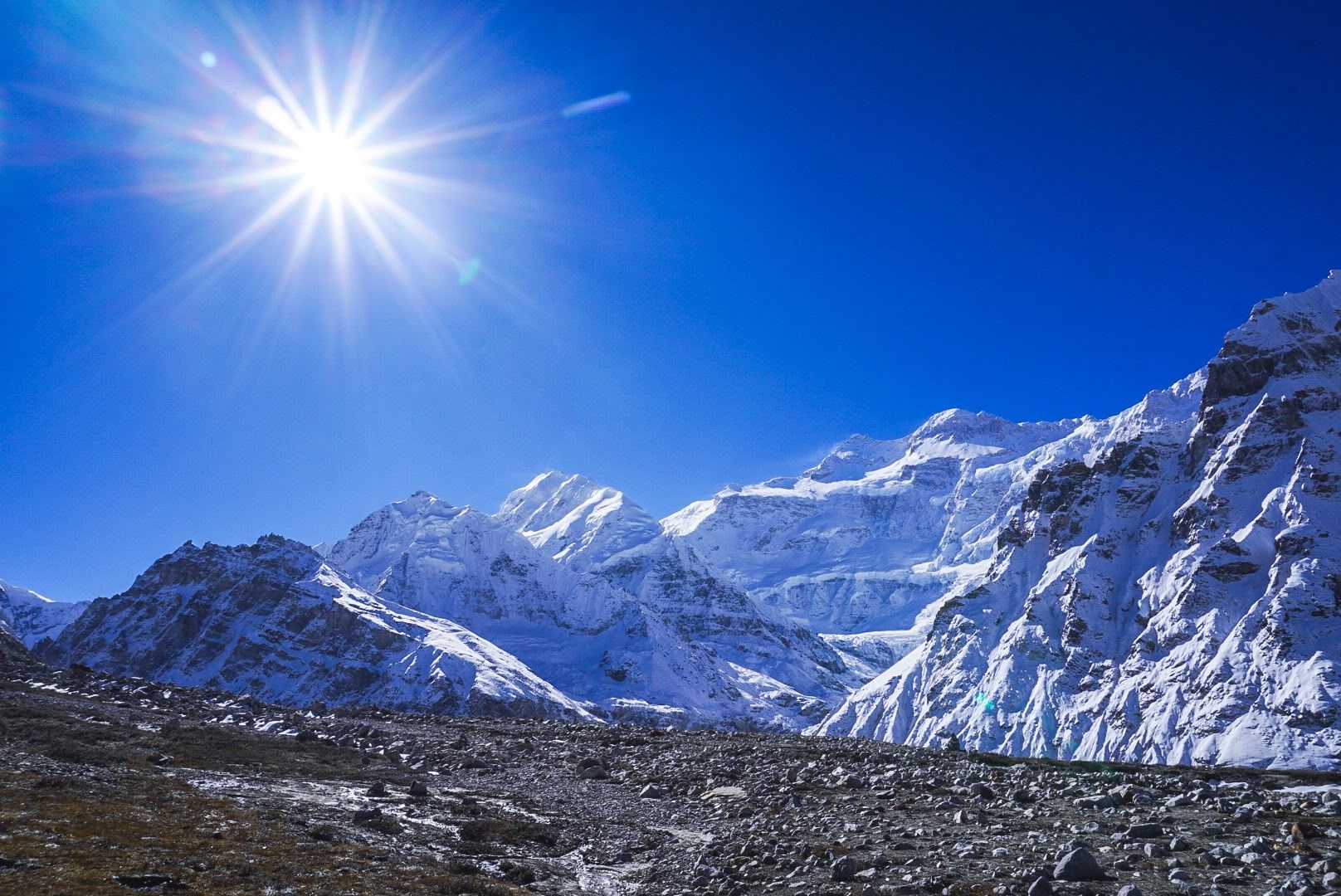
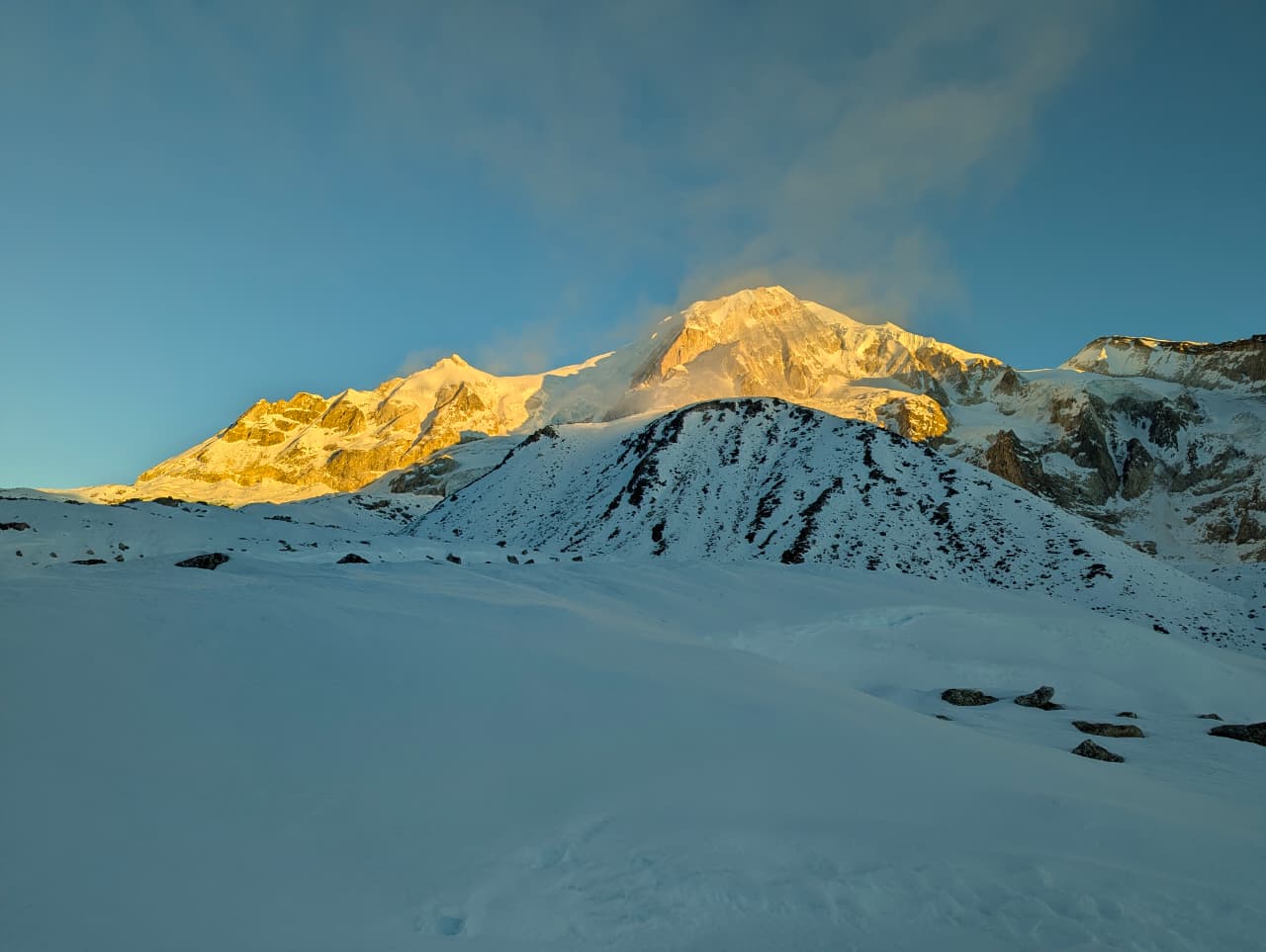
The glorious Mardi Himal Trek is a popular trekking route located in the Annapurna region of Nepal. It is named after the Mardi Himal, a beautiful peak situated in the eastern part of the Annapurna Sanctuary. The Mardi Himal Trek begins in the picturesque lakeside city of Pokhara, which is easily accessible from Kathmandu by bus or flight and takes about 9 days. From Pokhara, trekkers travel by road to Kande, which serves as the starting point of the trek. The Mardi Himal Trek offers stunning views of the Annapurna range, including the prominent peaks of Machapuchare (Fishtail), Annapurna South, Hiunchuli, and Mardi Himal. The Mardi Himal Trek usually starts and ends in Kathmandu.
On the Mardi Himal Trek, you will pass through several traditional Nepalese villages, including Landruk, Deurali, and Siding. These villages offer a glimpse into the local culture and way of life. The traditional houses, friendly locals, and terraced fields create a charming atmosphere that adds to the overall beauty of the trek. This cultural exchange adds depth and meaning to the trekking experience. The trek offers a diverse range of terrain, keeping the journey exciting and engaging. From terraced fields and rhododendron forests to rocky trails and alpine meadows, each day brings a new and captivating landscape. The contrast of these different terrains adds to the overall beauty of the trek.
The base camp offers a sense of accomplishment and a close encounter with the majestic peaks. Reaching the Mardi Himal Base Camp or other high points along the trek provides a great sense of accomplishment. Overcoming physical challenges, pushing one’s limits, and witnessing the stunning views from these vantage points instill a feeling of achievement and gratitude. The Mardi Himal Trek offers a wonderful opportunity to explore the beauty of the Annapurna region, witness breathtaking mountain views, and immerse yourself in the local culture. It is a trek that combines natural wonders with cultural experiences, personal growth, and a sense of accomplishment, making it a memorable adventure in the heart of the Himalayas.
Mardi Himal Trek Route and Schedule:
After arriving at Tribhuvan International Airport (TIA), you will be welcomed by a representative from our office who will carry your name and “Touch The Himalaya“ written banner. They will take you to your 2- or 3-star hotel in Kathmandu (Thamel). The rest of the day is free to explore the city at your own pace. In the evening, You will also have time to shop for the most important equipment, receive a brief explanation of the trekking program, and enjoy a delicious welcome dinner at a local restaurant. The next day, you will embark on a scenic journey to Pokhara, also known as the “City of Lakes,” and explore other popular places before overnighting in a luxurious hotel.
The next morning, we will head to Phedi and trek up to Dhampus, a charming village with stunning views of the Annapurna range. After a restful night, you will wake up to a magnificent sunrise over the snow-capped peaks. The next day, you will explore the Sarangkot Forest and the Pothana Forest, where you will find hidden gems like the Peace Pagoda and the Australian Camp. Along the way, you will learn about the rich tapestry of the Annapurna Conservation Area and its diverse ecosystem. As night falls, you will find solace in the peaceful embrace of the forest camp. This is a journey that will leave you in awe of nature’s grandeur and rejuvenate your spirits.
The trek from forest camp to high camp continues through lush greenery, revealing distant mountain ranges and snow-capped peaks. The hike is less arduous, providing respite and a 30-minute break at Low Camp. Tea shops and a tapestry of tea shops offer refreshment. The next day,you will reach your final destination, High Camp. It offers panoramic views and simple amenities. The trek takes 4 to 5 hours, allowing for a serene experience.
A midway viewpoint offers a captivating vista before returning to High Camp. The day continues with a descent to Badal Danda (3210m), where clouds dance in the sky. This itinerary promises an unforgettable expedition, combining breathtaking landscapes with options tailored to individual preferences and creating cherished memories.
The next morning, after breakfast, we embark on a scenic walk down to Siding, a charming traditional Nepalese community (takes 3–4 hours), then we drive back to Pokhara by jeep, have fascinating cultural experiences, and connect with the welcoming community. The next day, you will drive back to Kathmandu. In the evening, indulge in the vibrant atmosphere of Thamel Bazaar, where you can engage in some shopping, immerse yourself in the local culture, and pick up souvenirs to commemorate your adventure. As the day draws to a close, relish a heartwarming farewell meal while sharing stories and creating lasting memories with your fellow trekkers. Bid the day farewell as you settle in for a peaceful night in Kathmandu.
Forests and biodiversity of the Mardi Himal Trek
The Mardi Himal Trek takes you through lush rhododendron and oak forests, which are especially vibrant during the spring season (March to April) when the rhododendrons are in bloom. You can enjoy the beautiful colors and immerse yourself in the rich biodiversity of the area. This Mardi Himal Trek provides diverse landscapes, including lush forests, charming villages, terraced fields, and high alpine meadows. You’ll be surrounded by stunning views of snow-capped peaks, pristine valleys, and cascading waterfalls throughout the journey.
Local Culture and Traditions in the Mardi Himal Trek
As you pass through the villages in Mardi Himal Trek, you’ll have the chance to experience the unique culture and traditions of the Gurung and Magar communities. You can visit monasteries, observe traditional ceremonies, taste local cuisine, and even stay in homestays to get a deeper insight into the local way of life.
Overall, the Mardi Himal Trek is a rewarding adventure for nature lovers and outdoor enthusiasts. It combines stunning natural landscapes, close-up views of majestic mountains, and cultural encounters with local communities. It is an excellent alternative to more crowded trekking routes in the Annapurna region, providing a quieter and more serene experience. However, as with any outdoor activity, it is essential to plan well, follow safety guidelines, and respect the environment and local communities while undertaking the Mardi Himal Trek.
Trek Permits for the Mardi Himal Trek #
We assist you in obtaining the necessary permits for the Mardi Himal Trek. This typically includes obtaining the Annapurna Conservation Area Permit (ACAP) and the Trekkers’ Information Management System (TIMS) card, which are required for trekking in the region.
Equipment for the Mardi Himal Trek
On the hike, you must have the proper clothing and equipment. It’s imperative to have sturdy hiking boots, a warm jacket, a sleeping bag, a backpack, and a trekking pole. A first-aid kit, sunglasses, sunscreen, and a water bottle are also advised.
Insurance for the Mardi Himal Trek
We highly recommend travel insurance for the Mardi Himal Trek, and we can assist you in acquiring suitable coverage. We work with reputable insurance providers to help you obtain comprehensive insurance that includes high-altitude trekking and helicopter evacuation in case of emergencies. We want to ensure that you are adequately protected throughout your trekking journey.
Accommodations and logistics are available on the Mardi Himal Trek
Tea House: The most typical accommodation option on the Mardi Himal hike is a tea house. These are modest lodgings that provide simple accommodations with community restrooms. There is no certainty that all tea houses will have private rooms with bathrooms. Most tea houses also include a community dining area where trekkers can gather to eat and chat.
Camping: For those who want more privacy or a more rustic experience, camping is another choice. Trekkers can sleep in tents while camping and prepare their own meals with the assistance of a support crew. Camping, however, needs more planning and gear than teahouse lodging.
Food and drink: Although the quality and selection may vary, most tea shops and camping grounds will provide food and drink. To ensure that the water is safe to drink, it is advised to bring water filtration equipment or water purification tablets.
Climate of the Mardi Himal Trek
The climate in the Mardi Himal region is similar to other parts of the Annapurna region. Spring (March to May) and autumn (September to November) are considered the best seasons for trekking due to clear skies and mild temperatures. During these seasons, temperatures at lower altitudes range from 15°C to 25°C (59°F to 77°F), while temperatures at higher altitudes can drop to around -5°C to -10°C (23°F to 14°F) at night. Winter (December to February) brings colder temperatures, especially at higher elevations, with daytime temperatures ranging from 5°C to 10°C (41°F to 50°F) and much colder nights. Monsoon season (June to August) experiences heavy rainfall, making trekking challenging and increasing the risk of landslides.
Difficulty Level of the Mardi Himal Trek
The Mardi Himal trek is considered a moderately difficult trek suitable for trekkers with a reasonable level of fitness and some previous hiking experience. The trail involves both ascents and descents, with some steep sections and uneven terrain. The highest point of the trek is the Mardi Himal Base Camp, which sits at an altitude of about 4,500 meters (14,764 feet). Altitude acclimatization is necessary to prevent altitude sickness, and it is recommended to maintain a steady pace and take regular breaks during the ascent.
Duration?
The duration of the Mardi Himal trek can vary depending on the chosen itinerary and individual trekking pace. On average, the trek takes around 5 to 7 days to complete. The trek typically starts and ends in Kande or Phedi, which are accessible by road from Pokhara. The trail passes through picturesque villages, and dense forests, and offers stunning views of the Annapurna range. The highest point of the trek, Mardi Himal Base Camp, is usually reached on the fourth or fifth day of the trek. Some trekkers choose to extend the trek by adding side trips or exploring nearby areas.
Porters and guides?
Our team from “Touch the Himalaya” will provide experienced trekking guides who are knowledgeable about the Mardi Himal Trek. These guides would lead the trek, provide guidance on the trail, ensure your safety, and share insights about the region.
All the trip grading can be viewed HERE.
If you have any confusion about the booking process please visit our booking process.