Introduction to the Nar Phu Valley Round Annapurna Trek
The Nar Phu Valley Round Annapurna Trek is a challenging and rewarding trekking route that combines the classic Annapurna Circuit with a detour to the remote Nar and Phu valleys in the Annapurna region of Nepal. Trekkers get a unique opportunity to discover the diverse landscapes, flora, and fauna of the Manaslu and Annapurna regions on the challenging and remote Manaslu Narphu Trek. The walk is difficult, and participants must be psychologically and physically prepared for the mountainous vistas and rocky terrain. The benefits of the journey, however, are well worth it because you get to see the Himalayas’ natural beauty and diversity as well as the unique local culture.
Briefing about the Nar Phu Valley Round Annapurna Trek
Our Nar Phu-Annapurna Trek begins upon your arrival at Kathmandu’s Tribhuvan International Airport (TIA). You will be warmly welcomed, and then we will take you to your 2- or 3-star hotel in Kathmandu (Thamel). The rest of the day is free to explore the city at your own pace. In the evening, You will also have time to shop for the most important equipment, receive a brief explanation of the trekking program, and enjoy a delicious welcome dinner at a local restaurant. The next day, early in the morning, embark on a scenic journey to Pokhara, also known as the “City of Lakes,” and explore other popular places before overnighting in a luxurious hotel.
Phu Village is another culturally rich settlement in the Phu Valley. It is perched on a hillside and offers stunning views of the surrounding landscapes. The village is home to the Tashi Lakhang Monastery, one of the oldest and most important monasteries in the region. Take a stroll through the village and experience the unique Tibetan culture.
After an early morning breakfast, trek along the riverbank of Soti Khola and cross the suspension bridge. Follow the wonderful pine forests and streams to Dharamsala. Continue the trek through forests and ascend steeply towards Meta village. Reach the Tibetan Plateau and enjoy the great views of Annapurna II and Lamjung Himal. Stay overnight in Meta. The next day, continue the trek up and down, crossing beautiful suspension bridges over different streams. Almost 4 hours of trekking will lead you to Kyang. Further trekking crosses the Phu Khola on a rocky trail and finally reaches the Phu village. Stay overnight in Phu Gaon. Then another day is our acclimatization day at Phu Gaon. On that day, we visit nearby places.
After a morning breakfast, we descend through various streams and suspension bridges. Follow the high suspension bridge, which is 80 meters above the Gorge of Lapche River, and you will see many Buddhist stupas until you reach Nar Village. The next day is our acclimatization day, where we spend the day hiking nearby and exploring Nar village, observing the local culture and lifestyle, and preparing for the next day’s trek and overnight in Nar. The next day is our long day of trekking to reach Ngwal by passing Kang La Pass, where you will stay overnight. Then another day, our trek goes to Manang. We explored and stayed overnight in a guesthouse.
After breakfast, you will leave Manang for Yak Kharka. You will continue to the Marshyangdi Valley and the valley of Jarsang Khola. You will trek further through the small village of Ghunsa. Finally, you will reach the small village of Yak Kharka. The next morning, you will enjoy breakfast and then continue your trek towards Thorong Phedi. Another morning, after a delicious breakfast, You will continue your trek through the arduous Thorong La Pass, which is at a dizzying height of 5,416 meters (17,764 feet). The views are magnificent, with mesmerizing mountain peaks, and the scenery is breathtaking. You will reach Muktinath, a sacred site for both Hindu and Buddhist pilgrims. That night, you will stay overnight at Muktinath.
After a leisurely breakfast in the early morning, we made our way down the breathtaking Kali Gandaki Gorge. Pass the settlements of Jharkot and Khingar as you continue along the dry land. We learn about Tibetan architecture, and a few hours later we reach Jomsom. Another morning, we took an air flight to Pokhara. Enjoy the splendid aerial views of mountains such as Annapurna and Dhaulagiri. Upon arrival in Pokhara, relax and enjoy the Fewa Lake and mountain views, and take a short hike to the World Peace Pagoda. Then another day, we drive or take a flight from Pokhara to Kathmandu and relax in the hotel, and then the next day you will have our memorial farewell in ITA.
Geography of the Nar Phu Valley Round Annapurna Trek
The Nar Phu Valley Round Annapurna Trek has a remote and rugged geography that might be challenging for trekkers. There are no amenities or infrastructure along the path, making it inaccessible and desolate. The Manaslu and Annapurna Conservation Areas are home to a diverse range of flora and fauna, including more than 1,800 plant species, 33 mammal species, and 110 bird species. There are also many more ethnic groups in the area, such as the Tibetans, Manangis, and Gurungs, who all have their own unique cultures, rituals, and ways of life.
Location of the Nar Phu Valley Round Annapurna Trek
The Nar Phu Valley Round Annapurna Trek is situated in Nepal’s central-western Manaslu Conservation Area and Annapurna Conservation Area. The journey leaves from Kathmandu and leads to the inaccessible areas of the Manaslu and Annapurna peaks.
Altitude of the Nar Phu Valley Round Annapurna Trek
The Nar Phu Valley Round Annapurna Trek’s highest point is the Larkya La Pass, which rises to a height of 5,160 meters (16,930 feet). The trek takes you through a broad range of environments, including alpine meadows, subtropical forests, and high-altitude Himalayan panoramas.
Climate of the Nar Phu Valley Round Annapurna Trek
The climate in the Nar Phu Valley Round Annapurna region can vary significantly due to the diverse topography and varying elevations along the trek. During the spring (March to May) and autumn (September to November) seasons, the weather is generally pleasant, with mild temperatures and clear skies. However, temperatures can drop significantly, especially at higher elevations and during the winter months (December to February), where it can be extremely cold, and snowfall is possible. It’s important to be well-prepared for varying weather conditions and pack appropriate layers to stay warm.
Difficulty Level of the Nar Phu Valley Round Annapurna Trek
The Nar Phu Valley Round Annapurna trek is considered a challenging trek suitable for experienced trekkers with good physical fitness and previous trekking experience. The trail involves long and steep ascents and descents, crossing high mountain passes, and trekking in remote and rugged terrains. The maximum altitude reached during the trek is approximately 5,416 meters (17,769 feet) at Kang La Pass. The challenging terrain, high altitude, and unpredictable weather conditions add to the difficulty level of the trek. Adequate acclimatization and preparation are essential for a successful and safe trek.
Duration of the Nar Phu Valley Round Annapurna Trek
The duration of the Nar Phu Valley Round Annapurna trek can vary depending on the specific itinerary and individual trekking pace. On average, the trek takes around 18 to 20 days to complete. The trek usually starts and ends in Besisahar and includes the Narphu Valley, crossing Kang La Pass, and joining the Annapurna Circuit trail. The duration can be extended or shortened based on personal preferences and time constraints. It’s important to allow enough time for acclimatization and rest days to adjust to the high altitudes and challenging terrain.
Physical Features of the Nar Phu Valley Round Annapurna Trek
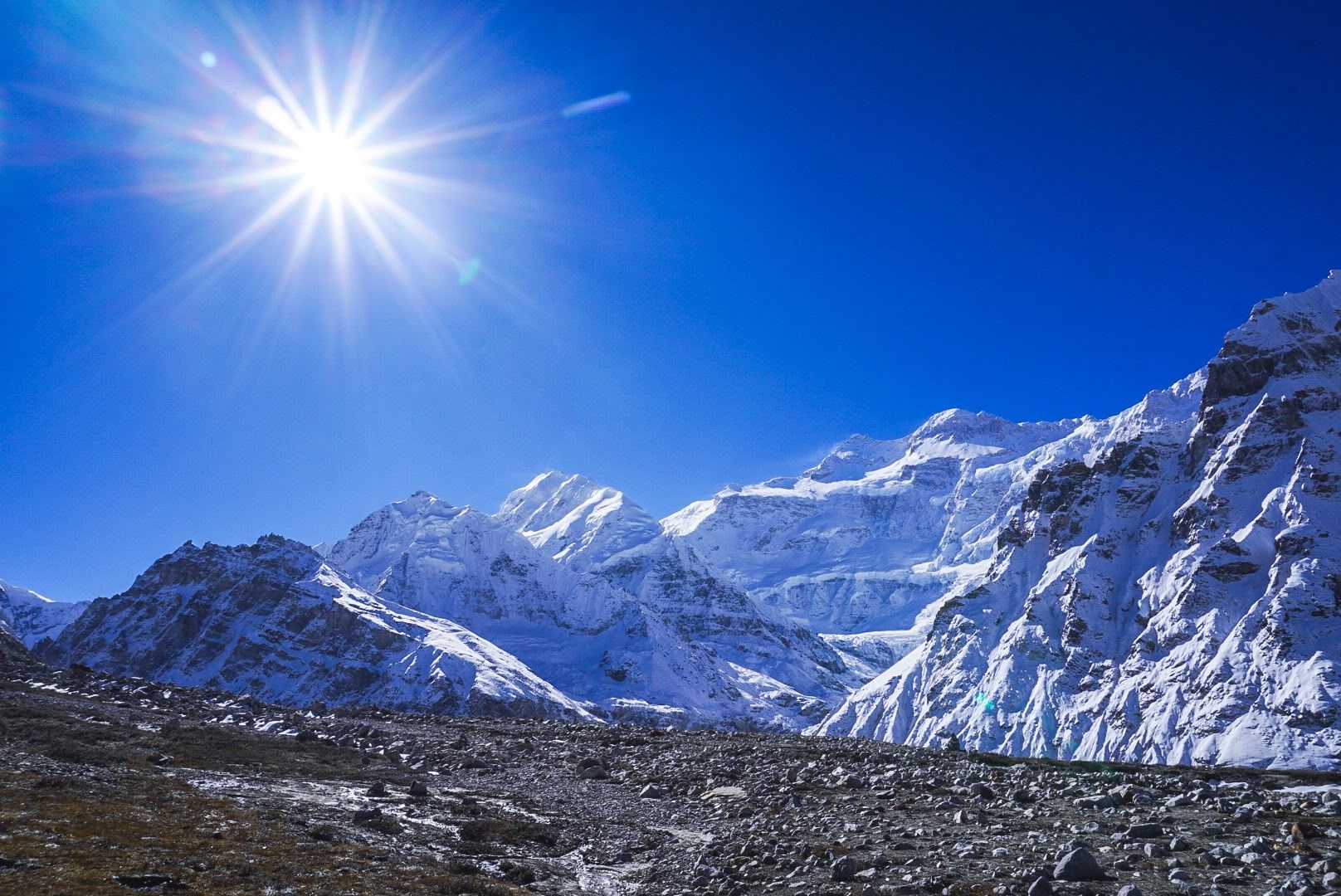
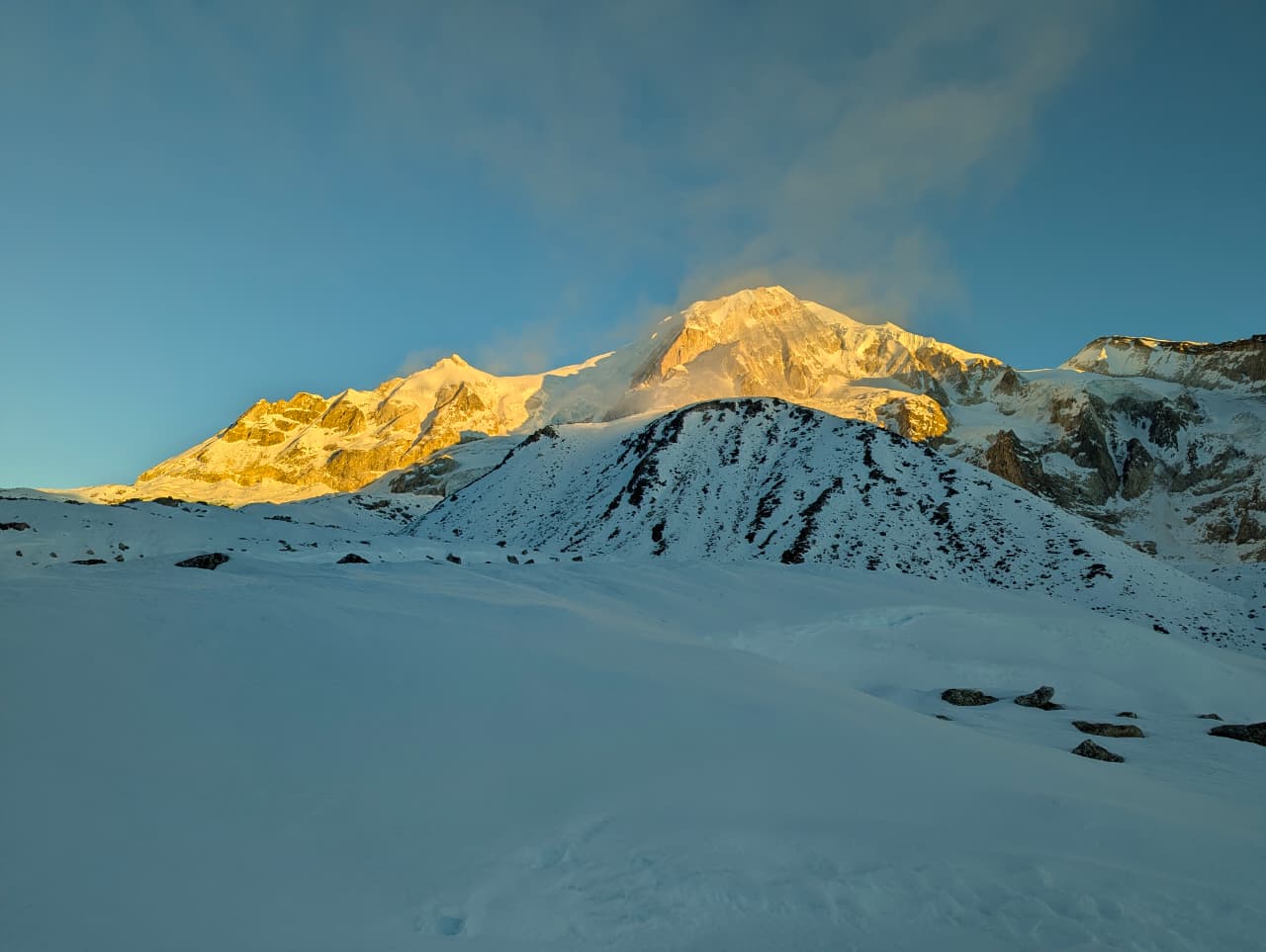
A variety of natural elements, including snow-capped mountains, glaciers, rivers, valleys, and forests, define the Nar Phu Valley Round Annapurna Trek . The trail offers a unique view of the Himalayas as it travels through the remote areas of the Manaslu and Annapurna peaks. You will pass by numerous breathtaking sights along the journey, such as the Manaslu, Annapurna, and Dhaulagiri mountain ranges. The stunning Marsyangdi, Dudh Khola, and Budi Gandaki rivers that run through the valleys will also be visible to you.
Wildlife and Flora found in the Nar Phu Valley Round Annapurna Trek
Many rare and endangered kinds of wildlife can be found on the Nar Phu Valley Round Annapurna Trek. On the walk, it’s not unusual to witness Himalayan tahrs, musk deer, snow leopards, and Himalayan black bears. The blue sheep, red panda, and other bird species are among the additional creatures you might see on the walk. The need to respect wildlife and keep a safe distance from it cannot be overstated. You pass through verdant green woods, alpine meadows, and desolate areas on the walk, each with its own distinctive flora.
The vegetation will change as you climb higher, moving from rhododendron forests to alpine shrubs and grasslands. A number of medicinal plants and herbs, including Yarsagumba, which is renowned for its medicinal qualities, may be seen along the journey. A wide range of wildflowers, such as orchids, primroses, and daisies, can also be found in the area.
Culture and People of the Nar Phu Valley Round Annapurna Trek
The Nar Phu Valley Round Annapurna Trek region is home to a number of ethnic populations, including the Gurung, Tibetan, and Manangi people. The unique traditions, customs, and way of life of the locals have been carried down through the years. Local populations in the Nar Phu Valley Round Annapurna Trek region practice a blend of Tibetan Buddhism and Hinduism. The Mani Rimdu festival and the Lhosar festival are among the many holidays they observe throughout the year.
The Nar Phu Valley Round Annapurna Trek region’s locals are renowned for their generous welcome to guests. They extend a friendly welcome to the trekkers and provide comfortable lodging and meals. By staying in homestays or teahouses maintained by locals, you can get a glimpse into their distinct way of life while also enjoying local cuisine and learning about their customs and traditions.
Accommodation?
Touch the Himalayas ensures comfortable accommodation for trekkers during the Nar Phu Valley Round Annapurna trek. We arrange accommodation in tea houses or lodges along the trekking route. These accommodations provide basic amenities such as beds, blankets, and shared bathrooms. While the facilities may be basic due to the remote nature of the trek, we prioritize cleanliness and comfort to provide a pleasant stay for our trekkers.
Meals?
We provide nutritious meals to keep trekkers energized during the Nar Phu Valley Round Annapurna trek. We offer a variety of hygienic and locally sourced food options, including traditional Nepali dishes and international cuisine. Our experienced cooks and kitchen staff ensure that meals are prepared with care and consideration for dietary preferences or restrictions. We prioritize providing balanced and tasty meals to fuel trekkers throughout their journey.
Guides?
Touch the Himalaya offers knowledgeable and experienced trekking guides who accompany trekkers during the Nar Phu Valley Round Annapurna trek. Our guides are well-versed in the local culture, terrain, and safety protocols. They provide valuable insights, assist with navigation, and ensure the well-being of trekkers throughout the journey. Our guides are also trained in first aid and emergency response, offering reassurance and support during the trek.
Permits?
We assist trekkers in obtaining the necessary permits for the Nar Phu Valley Round Annapurna trek. We guide trekkers through the permit application process and facilitate the acquisition of the required permits, including the Annapurna Conservation Area Permit (ACAP) and the Nar-Phu valley Restricted Area Permit (RAP). We ensure that all necessary permits are obtained in compliance with local regulations, allowing trekkers to focus on their trekking experience. Cost of Restricted Area Permit depends on the season, Click the given link to know more about the required PERMITS.
All the trip grading can be view here.
If you have any confusion for booking process please visit our booking process.