Classic Annapurna Circuit Trek Overview
The Annapurna Circuit Trek is a popular trekking route located in the Annapurna region of Nepal. It is renowned for its stunning mountain landscapes, diverse flora and fauna, and rich cultural experiences. This trek is the best of the Annapurna Circuit, offering a unique insight into the natural and cultural diversity of Nepal. Trekking in the Annapurna region is the best approach to have a close look at the formation of mysterious nature wonders which have facilitated this region to be a highly concentrated trekking spot amongst the world since 1977 when it was first time opened for foreigners. This region has been recognized as one of the World’s best Trekking trails according to a survey by Modern Maturity (USA).
The Annapurna Circuit Trek typically starts at Besisahar and takes you through various terrains, including lush valleys, rhododendron forests, high-altitude deserts, and charming villages. Situated at an elevation of 3,200 meters (10,498 feet), Pisang is another beautiful village on the trek. It is divided into Upper Pisang and Lower Pisang, each with its own charm. The village is known for its ancient Buddhist monastery and traditional architecture. You can take a short hike to Upper Pisang for panoramic mountain views or explore the lower village’s narrow alleys and stone houses.
Manang is a beautiful village located at an altitude of 3,540 meters (11,614 feet). It is a popular rest stop and acclimatization point for trekkers. The village offers stunning views of the surrounding peaks, ancient monasteries like Gangapurna Lake and Braga Monastery, and a glimpse into the unique culture and lifestyle of the Gurung and Manangi people. Crossing Thorong La Pass is a major highlight of the trek. Standing at an elevation of 5,416 meters (17,769 feet), it is one of the highest mountain passes in the world. The challenging ascent to the pass and the breathtaking views from the top make it a memorable and rewarding experience.
Muktinath is a sacred pilgrimage site for both Hindus and Buddhists. It is located at an altitude of 3,800 meters (12,467 feet). The temple complex at Muktinath is dedicated to Lord Vishnu and features 108 water spouts. Many pilgrims visit this site to cleanse themselves in the holy waters. Apart from the religious significance, the surrounding landscapes and views of the Nilgiri and Dhaulagiri mountains are breathtaking.
Kagbeni is a charming village situated at the entrance of the Upper Mustang region. It has a medieval feel with its narrow alleys, ancient houses, and a fortified monastery. The village offers a glimpse into the traditional Tibetan culture and lifestyle. You can explore the old village, visit the red-walled monastery, and enjoy the serene beauty of the Kali Gandaki River. Jomsom is a major town and administrative center in the Mustang district. It serves as the gateway to the Upper Mustang region. The town offers a blend of Tibetan and Nepali cultures and provides facilities like hotels, banks, and shops.
Marpha, located nearby, is famous for its apple orchards and apple products such as apple brandy and apple pie. You can explore the town, visit the monasteries, and indulge in local delicacies. Tatopani is a village known for its natural hot springs. After days of trekking, you can relax and rejuvenate in the warm waters, providing a soothing and refreshing experience for tired muscles. On the Annapurna Circuit Trek, Ghorepani and Poon Hill are popular trips. Ghorepani is a beautiful village located at an altitude of 2,860 meters (9,383 feet). From Ghorepani, you can hike up to Poon Hill, a popular vantage point famous for its panoramic sunrise views of the Annapurna and Dhaulagiri mountain ranges.
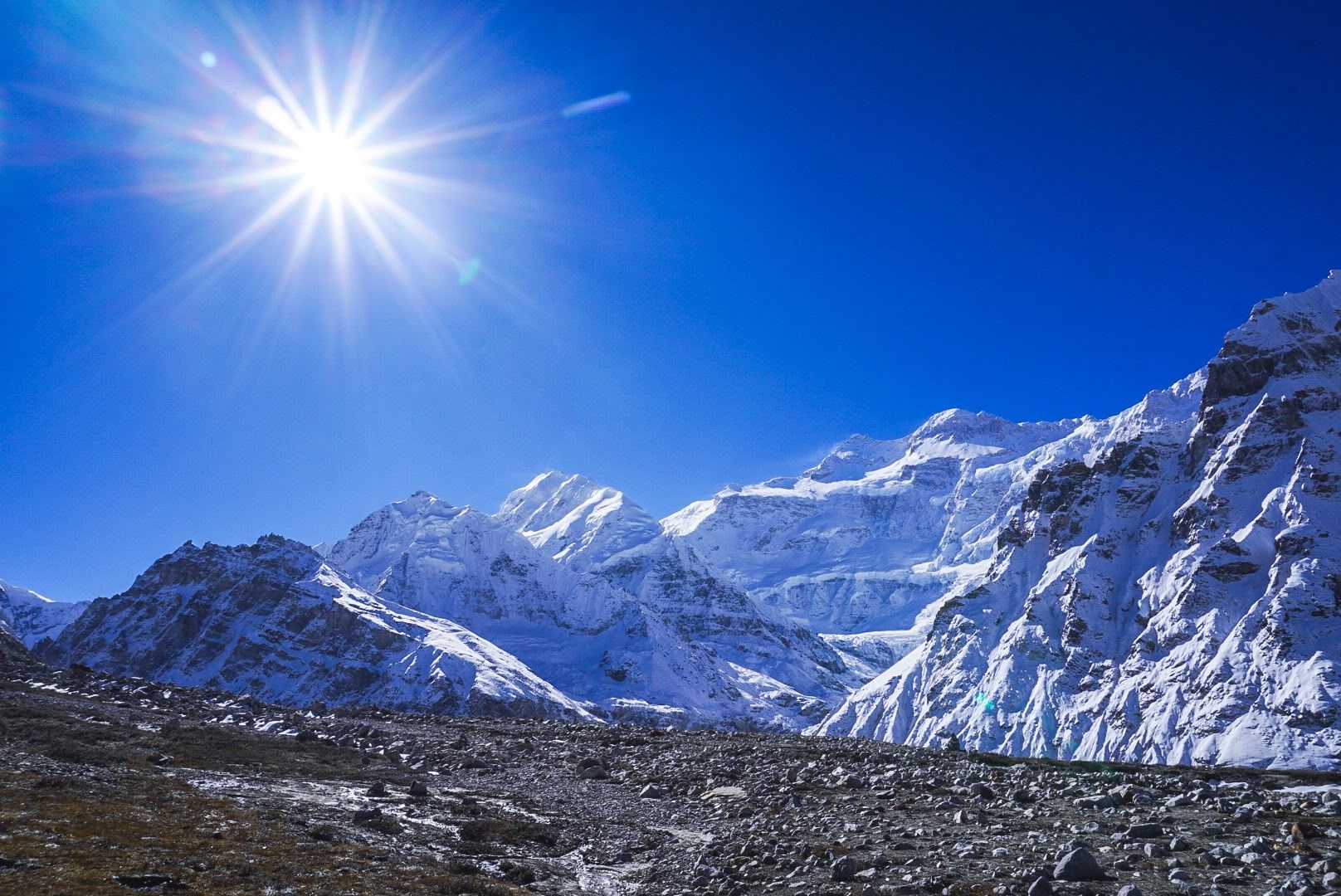
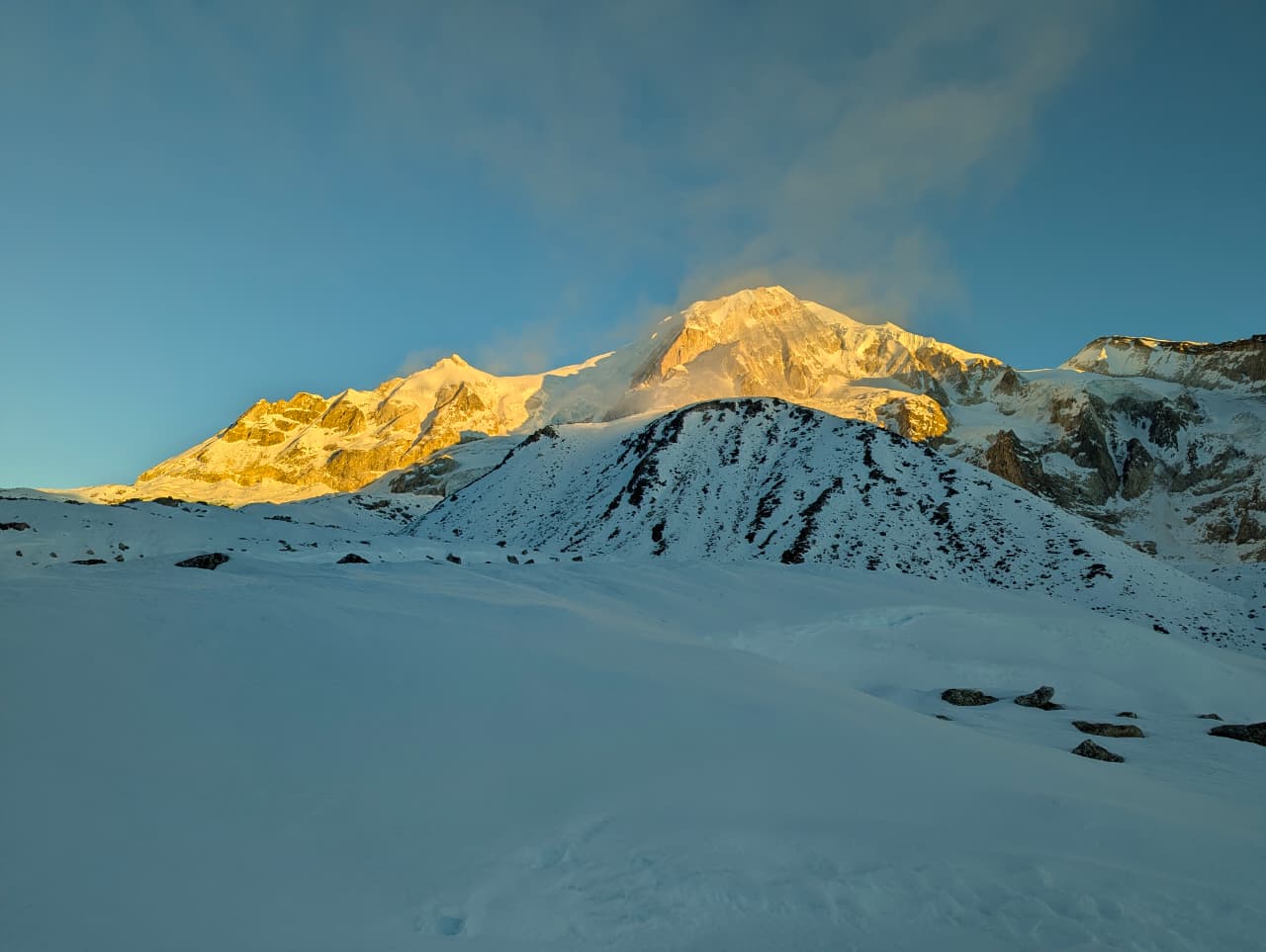
Throughout the trek, you’ll be treated to awe-inspiring panoramic views of some of the world’s highest peaks. The Annapurna and Dhaulagiri mountain ranges dominate the skyline, offering stunning vistas of peaks such as Annapurna I, Annapurna II, Annapurna III, Gangapurna, Nilgiri, and Machhapuchhre (Fishtail). The Annapurna Circuit is known for its stunning natural beauty. As you trek through the route, you’ll be treated to breathtaking views of snow-capped peaks, deep valleys, cascading waterfalls, and terraced fields. The landscapes change dramatically from lush forests to arid high-altitude deserts, providing a diverse visual experience.
The Annapurna Circuit Trek takes you through a wide range of landscapes, each with its own unique beauty. From lush green forests of rhododendron and bamboo to barren, high-altitude deserts, you’ll witness a remarkable variety of natural scenery along the route.
The trek passes through traditional Nepali villages, where you can immerse yourself in the local culture and hospitality. Villages like Manang, Pisang, and Marpha offer a glimpse into the traditional lifestyle of the inhabitants. You can explore ancient monasteries, observe local rituals, and interact with the friendly locals. Along the trek, there are natural hot springs in Tatopani. After days of trekking, you can relax and rejuvenate in the soothing hot waters, offering a refreshing break and relief for tired muscles.
Cultural Immersion of Classic Annapurna Circuit Trek:
The classic Annapurna circuit trek takes you through several traditional villages inhabited by the Gurung and Magar communities, who are known for their warm hospitality and distinct cultural practices. As you pass through these villages, you’ll have opportunities to interact with the locals, observe their traditional lifestyle, and learn about their customs and traditions. You may have the chance to visit monasteries, prayer flags, and stone-carved chortens, which are integral parts of the local culture and religion. The trek also offers panoramic views of snow-capped peaks, including Annapurna I (8,091 meters), which holds great spiritual significance for the local communities.
Flora and Fauna of Classic Annapurna Circuit Trek :
The classic Annapurna circuit trek showcases a wide range of vegetation and flora due to the varying altitudes and climatic zones. In the lower regions, you’ll trek through lush forests dominated by rhododendron, oak, and bamboo trees. During the spring season, these forests burst into a riot of colors as rhododendron flowers bloom, creating a vibrant landscape. As you ascend to higher altitudes, the vegetation transitions into alpine meadows with a variety of grasses, mosses, and smaller shrubs. You may also come across a diverse range of wildflowers, including primulas, daisies, and orchids, adding beauty to the trekking route.
In the forests and meadows, you may spot animals such as langur monkeys, Himalayan tahr (a wild mountain goat), musk deer, and even elusive snow leopards, although spotting the latter is extremely rare. The region is also home to a variety of bird species, including colorful Himalayan monals, pheasants, eagles, and many more. You may also hear the calls of various birds echoing through the valleys as you trek.
Climate of :
The climate along the Annapurna Circuit Trek can vary depending on the season and altitude. In general, the best times to undertake the trek are during the spring (March to May) and autumn (September to November) seasons. During these periods, the weather is usually dry and stable with mild temperatures. In the lower regions, temperatures range from around 10°C to 25°C (50°F to 77°F), while in higher elevations, temperatures can drop below freezing, especially during the night. It’s important to pack appropriate layers to adapt to changing weather conditions.
Difficulty Level:
The Annapurna Circuit Trek is considered a challenging trek suitable for experienced trekkers with good physical fitness. The trail involves long and steep ascents and descents, crossing high mountain passes, and trekking at high altitudes. The highest point reached during the trek is Thorong La Pass, standing at an elevation of 5,416 meters (17,769 feet). The trek requires proper acclimatization and endurance to tackle the challenging terrain and altitude. Trekking experience and being in good physical condition are important for the successful completion of the trek.
Duration:
The duration of the classic Annapurna Circuit Trek can vary depending on the specific itinerary and individual trekking pace. On average, the trek takes around 19 to 23 days to complete. The trek usually starts from Besisahar and ends in Nayapul or Pokhara. The duration can be adjusted based on personal preferences and side trips, such as visiting Tilicho Lake or adding detours to other destinations. It’s important to allow enough time for acclimatization and rest days to adapt to the high altitudes.
Equipments:
To undertake the classic Annapurna Circuit Trek, you will need a set of essential equipment. Begin with sturdy and comfortable trekking boots to navigate the diverse terrain. Carry a backpack of around 40-60 liters capacity to hold your personal belongings, water, snacks, and extra layers. Layered clothing is crucial, including moisture-wicking base layers, insulating fleece or down jackets, and a waterproof outer shell. Lightweight and quick-drying trekking pants are recommended, along with thermal socks and gloves for warmth.
Best Time to Go:
The best time to undertake the Annapurna Circuit Trek is during the spring (March to May) and autumn (September to November) seasons. These months offer pleasant weather, clear skies, and moderate temperatures, making for comfortable trekking conditions. However, it’s essential to be prepared for unpredictable weather in the mountains.
Accommodation:
We ensure comfortable accommodation for trekkers during the classic Annapurna Circuit Trek. We arrange accommodation in tea houses or lodges along the trekking route. These accommodations provide basic amenities such as beds, blankets, and shared bathrooms. While the facilities may be basic due to the remote nature of the trek, we prioritize cleanliness and comfort to provide a pleasant stay for our trekkers.
Meals:
Touch the Himalayas provides nutritious meals to keep trekkers energized during the classic Annapurna Circuit Trek. We offer a variety of hygienic and locally sourced food options, including traditional Nepali dishes and international cuisine. Our experienced cooks and kitchen staff ensure that meals are prepared with care and consideration for dietary preferences or restrictions. We prioritize providing balanced and tasty meals to fuel trekkers throughout their journey.
Insurance:
We highly recommend travel insurance for the Classic Annapurna Circuit Trek, and we can assist you in acquiring suitable coverage. We work with reputable insurance providers to help you obtain comprehensive insurance that includes high-altitude trekking and helicopter evacuation in case of emergencies. We want to ensure that you are adequately protected throughout your trekking journey.
Guides:
Touch the Himalayas offers knowledgeable and experienced trekking guides who accompany trekkers during the classic Annapurna Circuit Trek. Our guides are well-versed in the local culture, terrain, and safety protocols. They provide valuable insights, assist with navigation, and ensure the well-being of trekkers throughout the journey. Our guides are also trained in first aid and emergency response, offering reassurance and support during the trek.
Permits:
We guide trekkers through the permit application process and facilitate the acquisition of the required permits, including the Annapurna Conservation Area Permit (ACAP) and the Trekkers’ Information Management System (TIMS) card. We ensure that all necessary permits are obtained in compliance with local regulations, allowing trekkers to focus on their trekking experience.
All the trip grading can be view here.
If you have any confusion about the booking process please visit our booking process.