Quick Trek to Everest Base Camp: A 9-Days Challenge
⚠️ Important Notice – 9 Days Express Everest Base Camp Trek
- This 9 Days Express Everest Base Camp Trek is a fast-paced and physically demanding high-altitude trek.
- It is recommended only for very fit, experienced, and professional trekkers with prior high-altitude trekking experience.
- This trek is not suitable for beginners or first-time high-altitude trekkers. Reduced acclimatization days mean that participants must have excellent physical condition and previous trekking experience.
- This Trek itinerary involves long walking days, limited acclimatization time, and rapid altitude gain.
If you are unsure about your fitness level or altitude tolerance, we strongly recommend choosing our Standard Everest Base Camp trek for better acclimatization and comfort.
Overview of Express Everest Base Camp Trek.
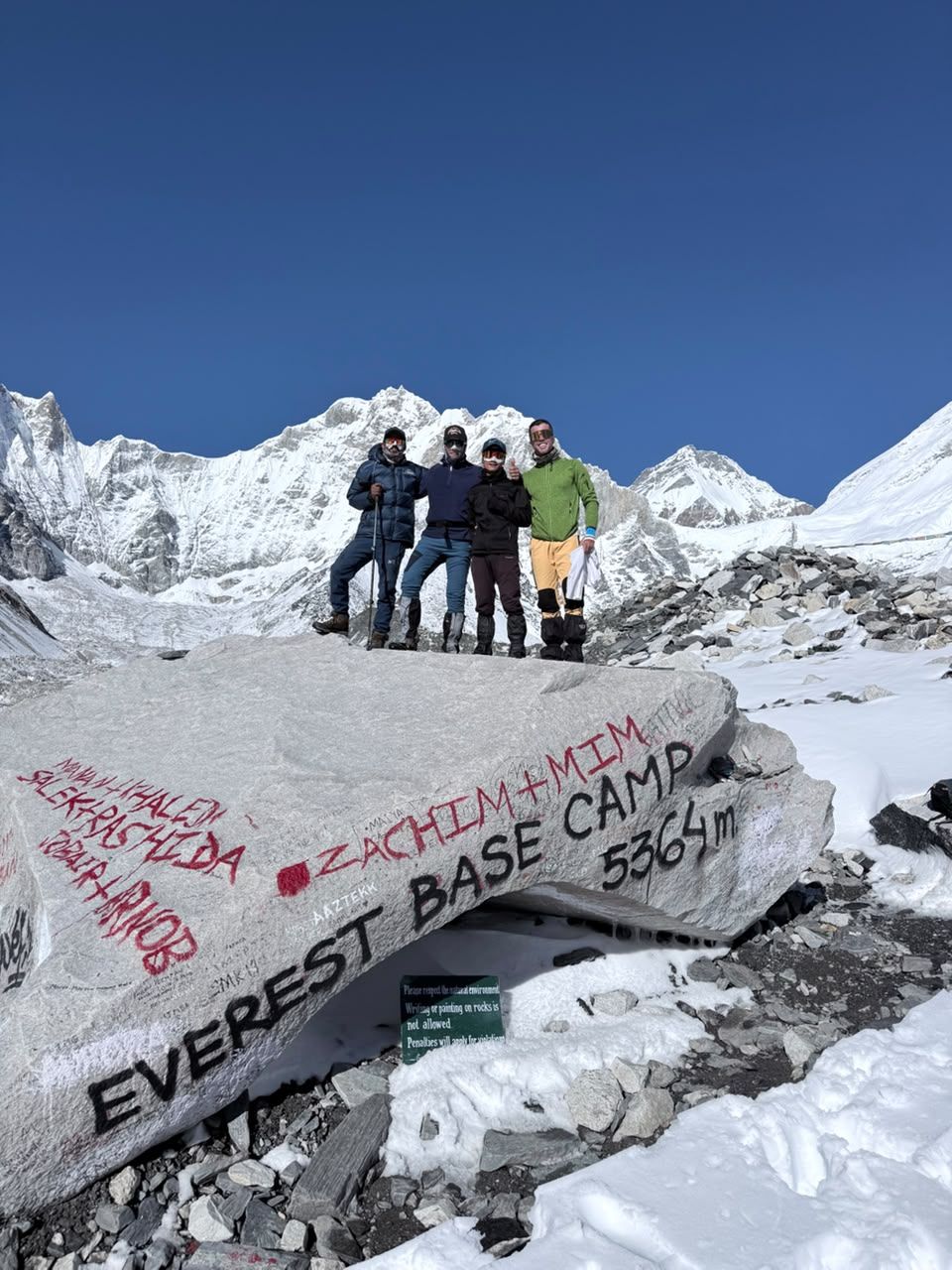
The 9 Days Express Everest Base Camp Trek is a fast – paced and challenging itinerary designed for very fit and experienced trekkers who want to reach the legendary Everest Base Camp (5,364 m) within a limited time frame. Following the classic Everest trail via Lukla, Namche Bazaar, Dingboche, Lobuche, Gorakshep, Everest Base Camp, and Kala Patthar, this trek offers all the iconic highlights of the Khumbu region while significantly reducing the total trekking days.
Compared to the standard 12 day itinerary, this express version involves longer daily walking hours and fewer acclimatization days, requiring excellent physical fitness and prior high-altitude trekking experience. This trek is ideal for professional hikers and adventure-focused travelers who are comfortable with sustained effort and disciplined pacing under expert guide supervision. For trekkers seeking a safer and more relaxed ascent with additional acclimatization, we strongly recommend choosing the Standard Everest Base Camp trek.
What is the Express Everest Base Camp Trek?
The 9 Days Express Everest Base Camp Trek is a fast-paced, physically demanding version of the classic EBC trek, designed for very fit and experienced hikers who have limited time but still want to reach Everest Base Camp (5,364 m).
Unlike the standard 12–14 day itinerary, this trek reduces rest days and increases daily walking hours, while still following the classic EBC route via Lukla – Namche – Dingboche – Lobuche – Gorakshep- Everest Base Camp – Kala Patthar.
👉 This is not a shortcut route it’s the same trail, just done with strong fitness, long trekking days, and disciplined pace.
The Express Everest Base Camp Trek is ideal for those who want to see the Everest region’s stunning beauty, rich culture, and diverse wildlife but have limited time. This trek shortens the traditional route into a faster, more intense journey, while still covering the main highlights and amazing views that make it famous. The adventure starts with a thrilling flight from Kathmandu to Lukla, the gateway to Everest. From Lukla, trekkers quickly move through the scenic Dudh Koshi Valley, cross suspension bridges with prayer flags, and pass through lively Sherpa villages with their unique culture.
One of the key stops is Namche Bazaar, the busy center of the Khumbu region. Here, trekkers can enjoy modern comforts and traditional Sherpa culture, meeting locals and learning about their lives. An acclimatization day in Namche is important for adjusting to the altitude, with an optional hike to the Everest View Hotel offering breathtaking views of Everest and nearby peaks. The trek continues through the lovely village of Tengboche, where the famous Tengboche Monastery is located. This peaceful place allows trekkers to relax and reflect, with the grand Himalayas as a backdrop. As the trek moves forward, the terrain becomes more rough, with impressive peaks like Ama Dablam and Lhotse appearing, along with unique plants and animals.
Approaching Everest Base Camp, excitement builds. The final climb is challenging but rewarding, leading to the base of the world’s tallest mountain. The achievement and stunning scenery make the effort worthwhile. The Express Everest Base Camp Trek usually takes about 9 days, compared to the typical 14 days. Even with the faster pace, careful acclimatization ensures a safe and enjoyable experience.
This trek is great for those who are fit and ready for a more intense adventure. It offers a special chance to explore theEverest region’s natural beauty, vibrant culture, and diverse wildlife in a short time. The Express Everest Base Camp Trek provides an unforgettable adventure and lasting memories.
Comparison of Express Everest Base Camp Trek to the Usual 15 Days Everest Base Camp Trek
The 15-Day Everest Base Camp Trek provides a more relaxed and thorough experience with plenty of time for acclimatization and exploration. Over 15 days, trekkers can enjoy a slower pace, gradually adjust to higher altitudes, and immerse themselves in local culture. The longer itinerary includes extra days for rest and exploration, especially in important places like Namche Bazaar and Dingboche, allowing trekkers to fully appreciate the stunning views and interact more with Sherpa communities.
On the other hand, the 9-Day Express Everest Base Camp Trek is for those with limited time, offering a faster-paced adventure. It covers the same distance but requires good fitness due to the shorter schedule. The quick trek focuses on the main highlights and key stops, with less time for side trips and exploration. Despite the shorter duration, it still delivers an exciting experience of the Everest region’s beauty and culture.
Routes of the Short Everest Base Camp Trek (Express)
The Express Everest Base Camp Trek follows a well-organized route to cover the key highlights of the Everest region in a shorter time. It begins with an exciting flight from Kathmandu to Lukla, where the trek starts. From Lukla, trekkers walk to Phakding, passing through beautiful forests and small Sherpa villages. Next, the trek reaches Namche Bazaar, a lively town where acclimatization is important. Trekkers spend a day here to adjust to the altitude and explore the local culture. The journey then continues to Tengboche, known for its famous monastery and incredible Himalayan views.
From Tengboche, the trek heads to Dingboche for another day of acclimatization. The route then moves to Lobuche, getting trekkers closer to Everest Base Camp. The highlight of the trek is reaching Everest Base Camp, where trekkers enjoy stunning views of the world’s highest mountain. The return trip follows the same path back to Lukla, ending with a flight from Lukla to Kathmandu. This shorter trek still captures the essence of the Everest region and offers a memorable adventure.
Culture in the Everest Region
The culture in the Everest region is deeply rooted in the traditions of the Sherpa people, who have lived in these high mountains for generations. The Sherpas are known for their warm hospitality and strong cultural heritage, which greatly enhances the Everest trek experience. Sherpa culture is influenced by Tibetan Buddhism, which you can see in the many monasteries, stupas, and prayer flags throughout the region. Tengboche Monastery, a key stop on the trek, is an important spiritual site where trekkers can observe traditional prayers and ceremonies. The Sherpas combine their spiritual practices with daily life, including activities like worshiping at stupas and herding yaks.
Festivals such as Losar (Tibetan New Year) and Mani Rimdu are celebrated with lively dances, music, and traditional rituals, offering a glimpse into Sherpa life. The local architecture, including stone houses and monasteries, shows how the community adapts to the challenging mountain environment. Meeting Sherpa people during the trek gives you a chance to learn about their customs, traditional clothing, and way of life. Overall, experiencing Sherpa culture adds a meaningful and enriching aspect to the Everest trek.
Best Time for the Express Everest Base Camp Trek
The best times for the Express Everest Base Camp Trek are during spring and autumn.
Spring (March to May): This is a popular time for the trek because the weather is usually stable with clear skies and mild temperatures. The trails are beautifully lined with blooming rhododendrons and other wildflowers. Many climbers are preparing for Everest summit attempts, adding a vibrant atmosphere to the region.
Autumn (September to November): This is also a great time for trekking. The weather is clear and cool, with excellent visibility of the Himalayas. The temperatures are cooler but still comfortable, and the trails are less crowded than in spring.
Both seasons offer good conditions for trekking, with clear skies and stable weather. It’s best to avoid the monsoon season (June to August) because of heavy rains and slippery trails, and winter (December to February) due to extreme cold and snow.
Flora and Fauna
The Everest region is home to a wide range of plants and animals that thrive in its diverse climates.
Flora: The types of plants change with altitude. In lower areas around Lukla and Phakding, you’ll find forests of pine, oak, and colorful rhododendrons. As you go higher, the plants become smaller and hardier, like grasses and mosses. In the alpine zone above the tree line, only tough plants such as edelweiss and blue poppies grow, able to survive the cold and strong winds.
Fauna: Wildlife also varies with altitude. In the lower elevations, you might see animals like the Himalayan tahr, a wild goat, and various pheasants. Higher up, the wildlife includes the elusive snow leopard and the Himalayan blue sheep (bharal). At even higher altitudes, you can spot Himalayan marmots. Birdwatchers will enjoy seeing species like the Himalayan griffon vulture and the red-billed chough.
The unique plant and animal life in the Everest region makes it a fascinating destination for nature lovers.
Food and Accommodation during Express Everest Base Camp Trek
During the Express Everest Base Camp Trek, both food and accommodation are designed for your comfort and safety. Meals include a variety of options, from traditional Nepali dishes like Dal Bhat (lentil soup with rice) to international choices such as noodles and vegetable curries. As you climb higher, the food becomes simpler but still provides essential nutrients with items like soups and pasta.
Accommodation is in teahouses or lodges along the trek. These provide basic but cozy rooms with clean beds and shared facilities. At higher altitudes, the lodgings are more basic but offer warmth and a place to rest after trekking. Even though they are simple, they are comfortable and well-suited for the conditions.
Our Guides from Touch The Himalaya Treks and Expedition ensure that you have the best possible accommodation and meals. Our team will arrange comfortable stays and tasty food, making sure your trek is enjoyable and well-supported.
Permits for Express Everest Base Camp Trek
For the Express Everest Base Camp Trek, you need two main permits to trek legally and safely.
Sagarmatha National Park Permit: This permit is required to enter Sagarmatha National Park, which includes the Everest area. It ensures that you can enjoy the park’s stunning views and wildlife while helping to protect the environment. You can get this permit in Kathmandu at the Nepal Tourism Board office or at the park entrance in Monjo. It is valid for the entire trek within the park.
TIMS (Trekkers’ Information Management System) Card: This card is required for all trekkers in Nepal. It helps track trekking activities and ensures your safety during the trek. You can obtain the TIMS card at the Trekking Agencies Association of Nepal (TAAN) office in Kathmandu. This card assists with managing trek information and helps in emergencies.
Difficulties in Express Everest Base Camp Trek -9 days
The Express Everest Base Camp Trek in 9 days presents several challenges. One significant difficulty is the shortened time frame, which makes the trek more intense and demanding. The quick ascent to high altitudes raises the risk of altitude sickness, so quick acclimatization is essential. Trekkers might face issues likeheadaches, nausea, and tiredness as they climb. Additionally, the trek includes rough and uneven paths with steep climbs and descents, which can be physically tough.
However, with the right preparation and support, these challenges are manageable. Experienced guides from Touch The Himalaya Treks and Expedition are key to a successful trek. They have extensive knowledge of high-altitude trekking and are skilled in helping trekkers adjust quickly to the altitude. Our expertise in navigating the difficult terrain and understanding the trek’s demands offer valuable support. Our guidance helps trekkers handle the challenges of the Express Everest Base Camp Trek safely while enjoying the beautiful scenery.
Benefits of Express Everest Base Camp Trek- 9 Days
The Express Everest Base Camp Trek, which takes 9 days, has several advantages. It’s perfect for those who don’t have much time but still want to visit Everest Base Camp. This shorter trek lets you see the key highlights quickly, unlike the traditional trek which takes 15 days. While the longer trek offers a more relaxed pace and additional acclimatization time, the shorter one provides a condensed adventure for busy schedules.
In terms of cost, the 9-day trek is usually cheaper because it involves fewer days of accommodation, food, and guide services. However, the shorter trek is more intense and physically demanding. The quick ascent means you have less time to adjust to high altitudes, which increases the risk of altitude sickness. The longer trek, on the other hand, offers more time for acclimatization, making it less risky. Despite the challenges, the Express trek is a great option for those wanting an efficient and affordable Everest experience.
Role of Touch The Himalaya Treks and Expedition during this Trek
Touch The Himalaya Treks and Expedition is essential for a successful Express Everest Base Camp Trek. Our experienced guides handle all the important details, such as arranging permits, managing logistics, and organizing accommodations and meals. This allows trekkers to concentrate on enjoying their adventure without worrying about these tasks. Our local expertise ensures that everything runs smoothly.
Additionally, the guides from Touch The Himalaya Treks and Expedition are skilled in high-altitude trekking. They help trekkers adjust quickly to the altitude and offer advice to prevent altitude sickness. We also provide these services at a reasonable price, making the trek both affordable and enjoyable. Our support ensures a safe and memorable Everest experience.
For More treks in the Everest Region are: