Renjo-La Pass Trek To Gokyo Lake
Renjo-La Pass Trek including Gokyo Lake is a popular and scenic trekking route in the Everest region of Nepal. It is a less crowded alternative to the classic Everest Base Camp trek, offering stunning mountain views, serene lakes, and a unique cultural experience. Renjo-La Pass Trek typically takes around 15 days to complete, allowing for acclimatization and exploration of the surrounding areas. This duration can be adjusted based on your preferences and fitness level.
Renjo-La Pass Trek begins with a flight from Kathmandu to Lukla, a small mountain airstrip. From Lukla, you’ll follow the trail towards Namche Bazaar, the gateway to the Everest region. As you ascend towards Namche Bazaar, you’ll pass through beautiful forests, cross suspension bridges, and enjoy panoramic views of mountains. Namche Bazaar is a bustling Sherpa town where you can rest, acclimatize, and explore the local culture and markets.
After Namche Bazaar, you’ll continue your trek towards Captivating village Dole and Machhermo you’ll enter the stunning Gokyo Valley, known for its series of turquoise lakes. The trail takes you along the shores of these lakes, offering breathtaking views of the surrounding peaks, including Mt. Everest, Cho Oyu, and Makalu. and after the Renjo-La Pass you pass through the resplendent villages of Lungden and Thame. These traditional Sherpa settlements offer a glimpse into the local way of life and provide opportunities to visit monasteries and interact with the friendly Sherpa people.
One of the highlights of Renjo-La Pass Trek is the ascent of Gokyo Ri, a viewpoint situated above Gokyo Village. From the summit of Gokyo Ri, you’ll be rewarded with a panoramic vista of the entire region, including the Himalayan giants. The sunrise or sunset view from Gokyo Ri is particularly spectacular. The crossing of Renjo La Pass itself is a highlight of Renjo-La Pass Trek. The pass offers magnificent views of the surrounding mountains and glaciers. Take a moment to appreciate the sheer beauty and grandeur of the Himalayas from this vantage point.
In Renjo-La Pass Trek, As you trek from Gokyo to Renjo La Pass, you’ll encounter the Ngozumpa Glacier, the longest glacier in the Himalayas. While it’s not advisable to walk on the glacier itself, you can hike along its edges and witness the massive ice formations and stunning landscapes. After crossing Renjo La Pass, the trek retraces its steps back to Namche Bazaar, passing through the Sherpa villages and descending towards Lukla. From Lukla, you’ll catch a flight back to Kathmandu, where you can reflect on the amazing experiences and memories from the trek. The trek offers some of the most stunning landscapes in the Everest region.
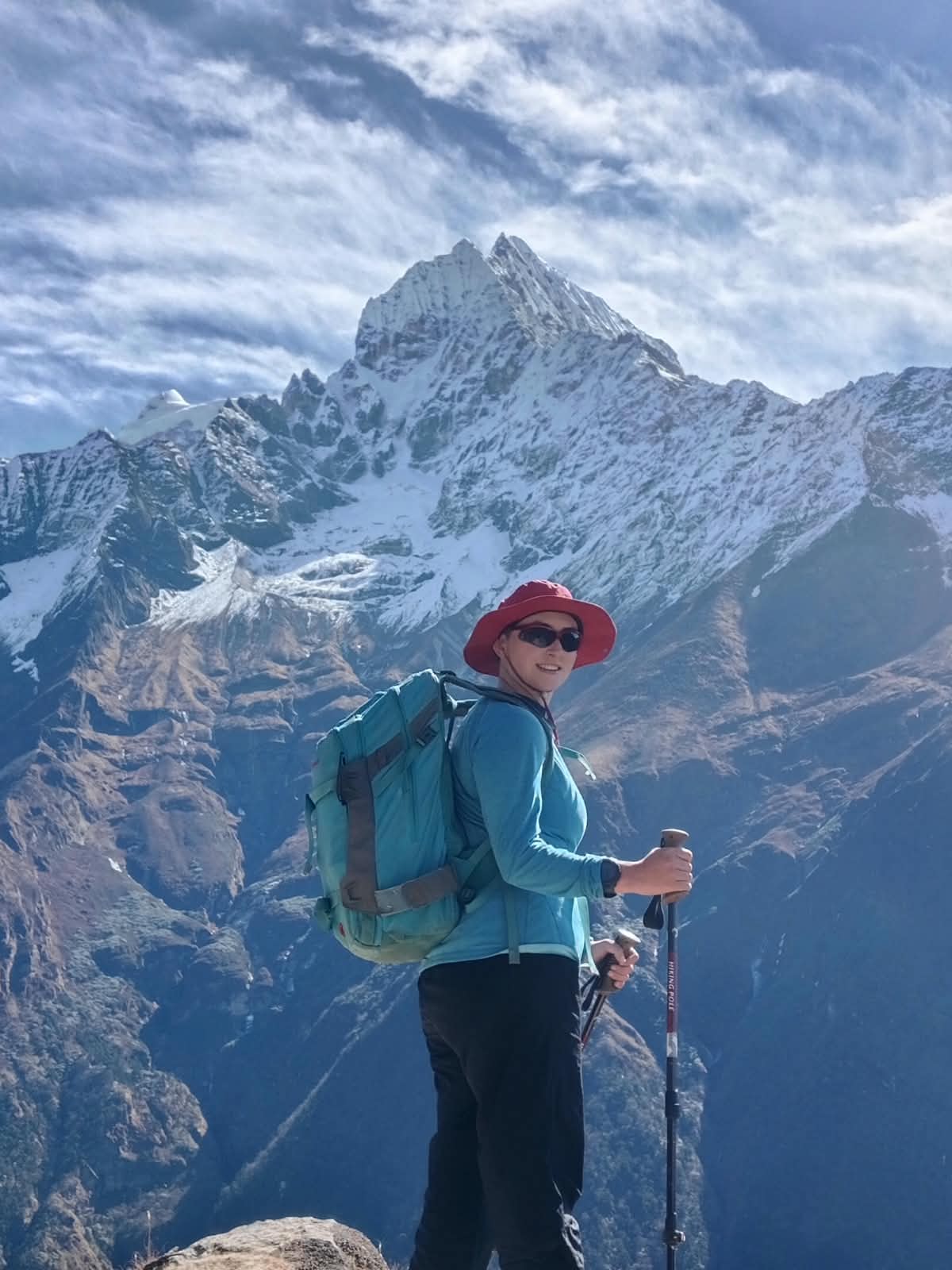
As you ascend towards Renjo La Pass, you’ll be treated to magnificent views of snow-capped peaks, including Mt. Everest, as well as glaciers, deep valleys, and rugged mountain terrain. The turquoise-colored Gokyo Lakes add a touch of serenity and beauty to the journey.
Biodiversity:
Situated in Nepal’s Everest region, Renjo-La Pass is an amazing place to witness biodiversity, distinguished by its own alpine habitat. The pass, which rises to a height of roughly 5,360 meters, is home to a variety of high-altitude plants and animals that have adapted to the challenging environment. Hardy alpine plants that can tolerate the chilly, windy weather make up the majority of the vegetation here.
These include junipers, alpine grasses, and different varieties of rhododendron. For the local fauna, these plants offer vital habitat and food supplies. Along with pristine glacial lakes like the breathtakingly magnificent Gokyo Lakes, the pass is home to glacial moraines. These features sustain aquatic life and serve as vital water sources for both human towns and the ecology downstream.
There are species in Renjo-La Pass’s fauna that have evolved specifically to survive at high altitudes. Among the prominent large creatures that live in the area are the musk deer, the Himalayan tahr, and the elusive snow leopard. Rich and varied is the birdlife as well, with common sightings of Himalayan monal, snow pigeon, and other high-altitude finches and raptors. From seed dissemination to predation, these animals are essential to preserving the ecological equilibrium. Furthermore, the interdependence of the flora, fauna, and the rugged yet breathtakingly beautiful environment highlights Renjo-La Pass’s biodiversity, making it an essential area for conservation efforts to preserve its unique natural heritage in the face of challenges from climate change and human activity.
Cultural Experience:
The traditional Sherpa culture that is prevalent across the Everest region greatly enhances the cultural experience of traveling over Renjo-La Pass. Trekkers come see multiple Sherpa settlements along this high-altitude route, where the natives coexist peacefully with their harsh surroundings. These communities are renowned for their rich cultural legacy, tenacity, and kind hospitality.
It is common for tourists to have the chance to stay in traditional teahouses, which serve as both rest areas and cultural centers where hikers may learn about and experience Sherpa culture, food, and daily life. Travelers are further immersed in the spiritual component of Sherpa culture by the peaceful Buddhist monasteries and prayer flags blowing in the breeze along the trail, which provides a profound sense of tranquility and introspection.
Another way to understand the historical and spiritual significance of the area is to hike through Renjo-La Pass. The mountains hold special meaning for the Sherpa people, who consider them to be hallowed places inhabited by gods. The many chortens (stupas), prayer wheels, and mani walls—stone walls engraved with Buddhist prayers—that dot the landscape demonstrate this regard.
The complex tapestry of Sherpa cultural and religious life is emphasized by festivals and rites like Mani Rimdu and Dumje, which frequently include intricate dances, music, and prayers. Interacting with the Sherpa people along Renjo-La Pass not only improves the trekking experience but also provides priceless insights into the peaceful coexistence of people and environment in one of the most spectacular and demanding places on earth.
Difficulty Level:
The Renjo-La Pass Trek is considered moderately challenging. The trail involves steep ascents and descents, rocky and uneven terrain, and high altitude. The crossing of Renjo La Pass requires a good level of fitness and stamina, as it involves a strenuous climb to an elevation of 5,360 meters (17,585 feet). Proper acclimatization and gradual ascent are essential to minimize the risk of altitude-related illnesses. Trekking experience and physical preparation are recommended for this trek.
Climate:
The climate in the Everest region can be quite challenging due to its high altitude. The weather can be unpredictable, especially at higher elevations. It’s essential to be prepared for cold temperatures, strong winds, and potential snowfall, even during the trekking seasons. Proper acclimatization and suitable clothing are crucial.
Duration:
The typical duration for the Renjo-La Pass Trek Trek is around 12 to 14 days. This includes ample time for acclimatization and exploration of the Gokyo Valley and surrounding lakes. The duration can vary depending on your pace, fitness level, and the time you spend at various stops along the trail.
Equipment:
For the Renjo-La Pass Trek, it is important to have the following essential equipment: sturdy hiking boots for the challenging terrain, warm and waterproof clothing layers to combat the cold and changing weather, a suitable sleeping bag for cold temperatures, trekking poles for stability during ascents and descents, a backpack to carry your belongings, a headlamp for visibility in dark areas, sunglasses and sunscreen for protection against the strong Himalayan sun.
A hat and gloves for added warmth, water bottles and water purification tablets for hydration, a first aid kit for any medical emergencies, snacks and energy bars for quick energy, a trekking map or GPS device for navigation, and a camera to capture the breathtaking scenery along the way. By clicking the link, Find more List of necessary EQUIPMENT
Accommodation:
During the Renjo-La Pass Trek, we arrange accommodation in teahouses or lodges along the trail. These are basic yet comfortable accommodations with shared rooms and common dining areas. The teahouses provide blankets and mattresses, but it’s advisable to bring your own sleeping bag for added warmth and comfort.
Meals:
We, touch the himalays provide three nutritious meals a day (breakfast, lunch, and dinner) during the trek. The meals typically consist of local and international dishes such as dal bhat (lentils, rice, and vegetables), pasta, soups, noodles, and a variety of snacks. We prioritize hygienic food preparation practices to ensure the well-being of our trekkers.
Guide:
For the Renjo-La Pass Trek, We Touch the Himalaya (agency) provide experienced and licensed trekking guides who are well-versed in the local culture, geography, and trail conditions. Our guides are fluent in English and will accompany you throughout the trek, offering assistance, ensuring your safety, and providing valuable insights into the region.
Insurance:
We highly recommend obtaining travel insurance that covers high-altitude trekking, including medical evacuation and emergency rescue services. While we prioritize safety, having appropriate insurance ensures peace of mind in case of any unforeseen circumstances.
Permits:
As a registered trekking agency, we assist in obtaining the necessary permits for the Renjo La Pass to Gokyo Lake Trek. The required permits include the Sagarmatha National Park Entry Permit and the TIMS (Trekkers’ Information Management System) card. Our team will handle the permit process, ensuring you are in compliance with local regulations.
Additionally, as “Touch the Himalayas,” we prioritize the safety and well-being of our trekkers. We conduct thorough safety briefings before the trek, provide a first aid kit, and ensure our guides are trained in basic first aid. Our goal is to make your trekking experience enjoyable, culturally immersive, and memorable while ensuring your safety throughout the journey.
All the trip grading can be view here.
If you have any confusion for booking process please visit our booking process.