Jiri to Everest Base Camp Trek: A Journey Through Tradition and Tranquility
Jiri to Everest Base Camp Trek highlighting its unique features such as cultural immersion, serene landscapes, and traditional Sherpa villages. It evokes a sense of adventure combined with cultural exploration, offering travelers a chance to experience the rich heritage and natural beauty of the Everest region through a less crowded and more traditional route. also known as the Everest Base Camp Trek via Jiri, is a classic and less crowded trekking route in the Everest region of Nepal.
Jiri to Everest Base Camp Trek offers a longer and more traditional approach to reaching the Everest Base Camp compared to the popular Lukla route. Everest Jiri trek is suitable for any walker looking for something a little more challenging and energetic. It does not require you to be super fit or have any previous trekking/mountaineering experience.
Jiri is the starting point of the Everest Jiri Trek. Take some time to explore this small town, interact with the locals, and learn about their way of life. You can visit local monasteries, experience the local culture, and witness the beautiful landscapes surrounding the town. Junbesi is a charming Sherpa village known for its traditional houses and ancient monasteries. The village offers stunning views of the Himalayas and provides an opportunity to experience the Sherpa culture up close. You can visit the Thuptenchholing Monastery and enjoy the serene atmosphere of the village.
Nunthala is another picturesque village along the Everest Jiri Trek. It is located at a lower altitude and is known for its terraced fields, lush forests, and warm hospitality of the locals. Take a walk around the village, interact with the villagers, and enjoy the scenic beauty of the surroundings.
Bupsa is a Sherpa village situated in a beautiful valley. The village offers panoramic views of the surrounding mountains and is a great place to rest and rejuvenate. You can explore the village, visit the local monastery, and enjoy the tranquility of the Himalayas.
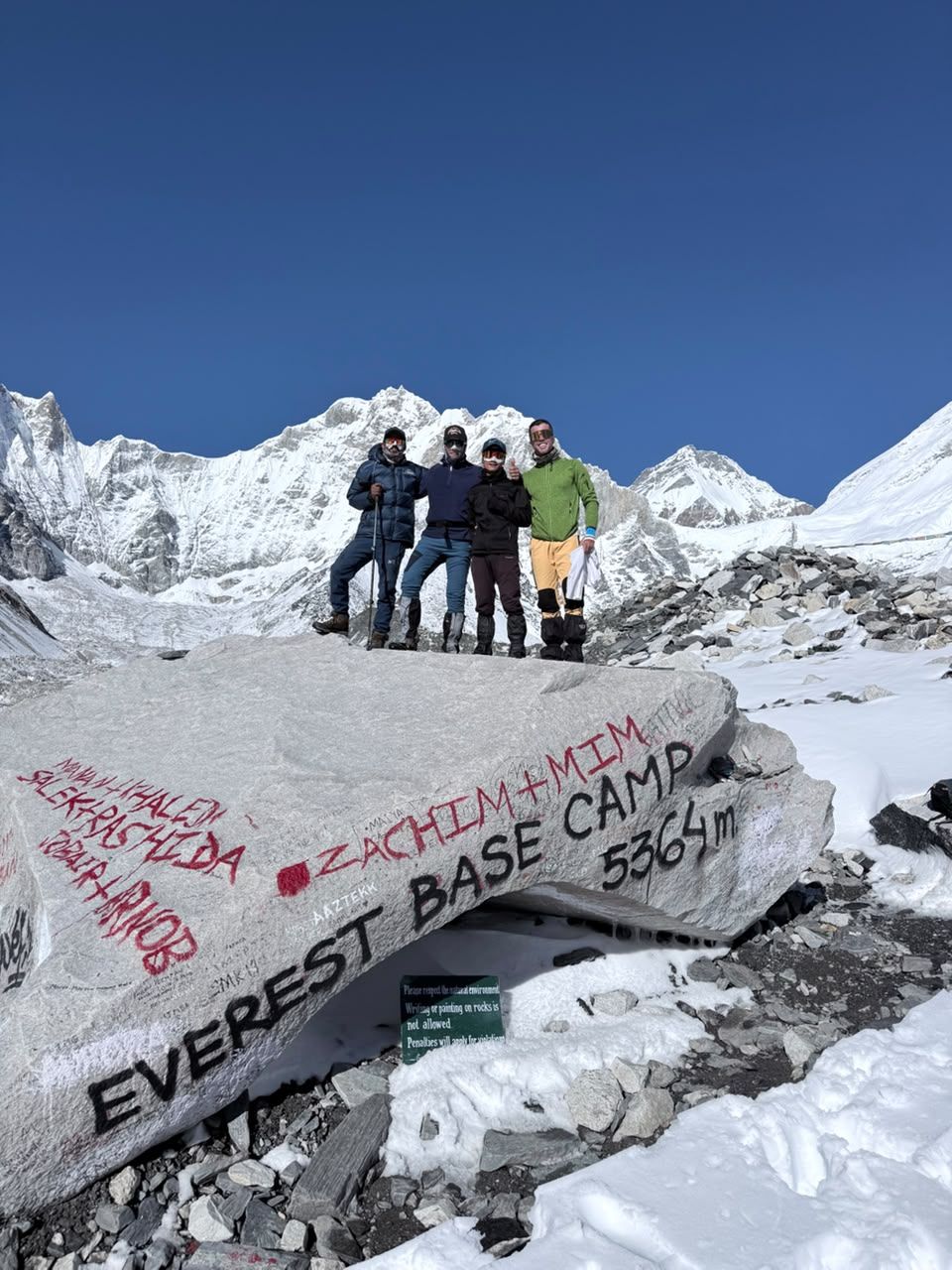
The ultimate destination of the trek is Everest Base Camp itself. After a challenging journey, you’ll reach the base camp, located at an elevation of 5,364 meters (17,598 feet). Standing at the base of the world’s highest peak is a remarkable achievement and offers stunning views of the surrounding mountains and the famous Khumbu Icefall.
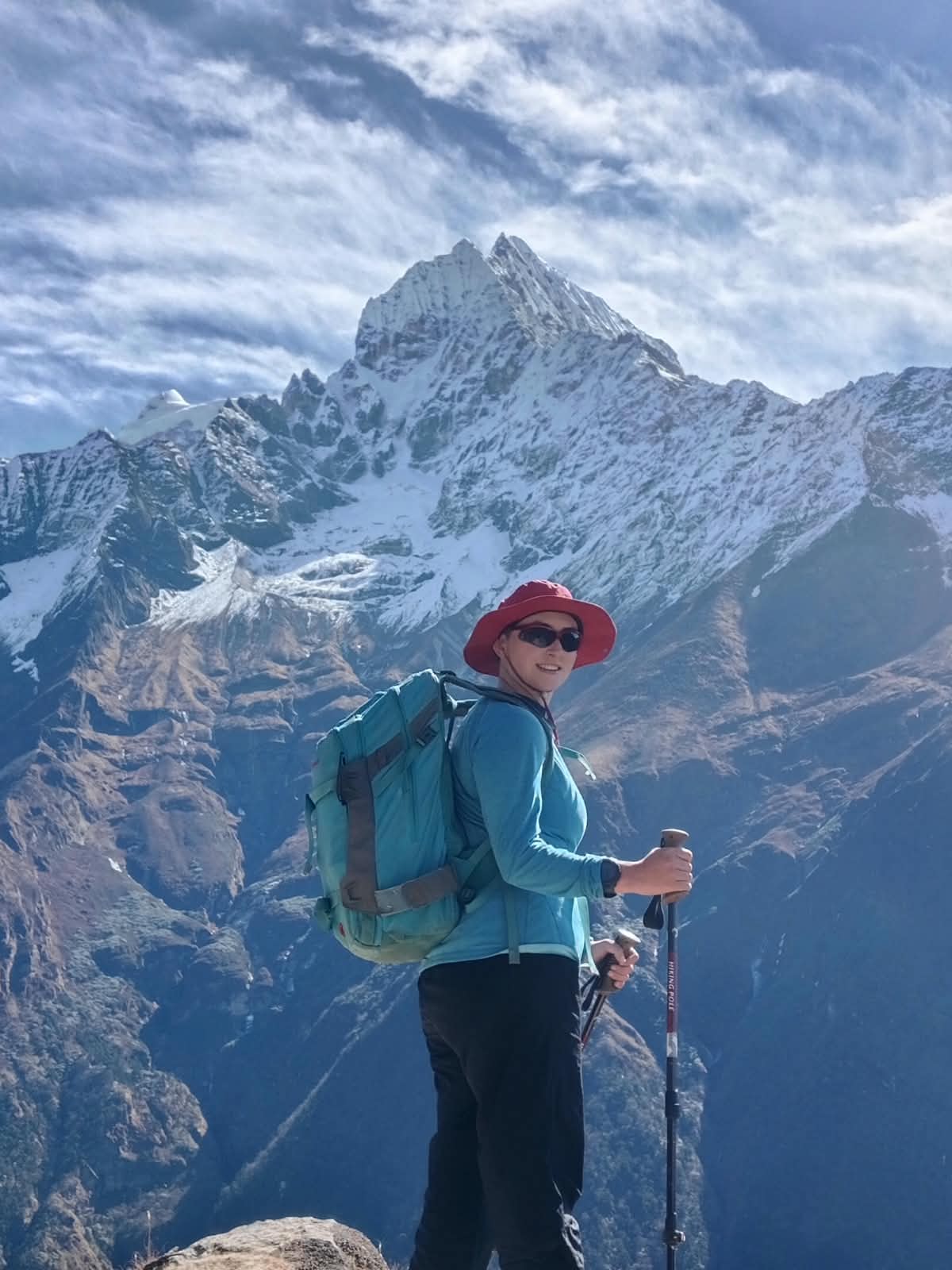
The trek offers breathtaking views of snow-capped mountains, including Everest, Lhotse, Nuptse, Ama Dablam, and many others. The Everest Jiri Trek takes you through a variety of landscapes, from terraced fields to dense forests and high-altitude mountain trails. You’ll walk through picturesque valleys, cross rivers, and ascend steep ridges. The trail offers breathtaking views of snow-capped peaks, deep valleys, and cascading waterfalls.
The Jiri route is less crowded compared to the Lukla route, providing a quieter and more peaceful trekking experience. You’ll have more opportunities to immerse yourself in the tranquility of the Himalayas and enjoy the solitude of the trail.
Biodiversity Jiri to Everest Base Camp Trek :
The Everest Jiri Trek takes you through various ecological zones, showcasing a diverse range of biodiversity. The lower sections of the trek pass through lush forests, including rhododendron, pine, and oak trees. These forests are home to a variety of bird species and wildlife such as musk deer, pheasants, and Himalayan thars.
As you ascend to higher altitudes, the landscape changes, and you’ll come across alpine vegetation and barren mountain slopes. While the biodiversity decreases at higher altitudes, you may still encounter some hardy species like the Himalayan marmots and snow leopards, although spotting them is rare.
Cultural Experience:
The hike from Jiri to Everest Base Camp Trek the rich fabric of rural Nepalese life and provides an insightful cultural experience via distinct Sherpa and other ethnic communities. Trekkers begin in Jiri, the entry point to the Solu-Khumbu region, and travel via a number of villages, the majority of which are home to Sherpa, Tamang, and Rai communities.
Every town offers a distinctive fusion of habits, beliefs, and ways of living. Trekkers can witness the colorful agricultural life, age-old farming methods, and exquisite craftsmanship of regional handicrafts in the lower regions. Highlights include the warmth of the locals’ welcome and the opportunity to sample traditional Nepalese dishes like momo (dumplings), dal bhat (lentil soup with rice), and yak butter tea at any one of the many teahouses.
With the Sherpa heartland displaying a strong Tibetan Buddhist influence, the cultural experience becomes more profound as the climb ascends to higher heights. Trekkers come across monasteries with ornately carved mani stones, prayer flags, and spinning prayer wheels in settlements like Namche Bazaar, Tengboche, and Dingboche.
With the community taking part in numerous religious festivals and the monks carrying out daily rituals, there is an undeniable spiritual feeling. One of the most important spiritual hubs in the area, Tengboche Monastery, provides a comprehensive look into Sherpa religious life and customs. This journey offers extensive cultural contacts in addition to breathtaking natural surroundings, providing trekkers with a unique perspective on the harmonious cohabitation of traditional lifestyles with the demanding Himalayan environment.
Climate:
The considerable elevation fluctuations experienced along the Jiri to Everest Base Camp Trek cause the climate to fluctuate greatly. At Jiri, which is situated at an elevation of roughly 1,905 meters (6,250 feet), the walk begins and first travels through temperate zones, which have warm days and cool nights. There are terraced fields, thick trees, and an abundance of greenery typical of this lower region’s subtropical climate.
Hikers experience both alpine and temperate conditions as they rise, with dwindling vegetation and colder temperatures. It is mild to chilly in the central section, with notable nighttime temperature reductions in places like Namche Bazaar (3,440 meters or 11,286 feet). Clear skies may quickly give way to fog, rain, or snow in this area, making the weather erratic.
Higher up, the weather becomes abrasive and alpine as the walk nears Everest Base Camp (17,598 feet, or 5,364 meters). Extreme weather can be expected in this area, with lows that can drop well below freezing, particularly in the late fall and early spring.
Even during the busiest trekking seasons, which are spring (March to May) and fall (September to November), there can be sunny but chilly days and extremely cold nights. Sun protection is essential because of the increased exposure to solar radiation caused by the thin atmosphere at these altitudes. Snowfall is frequent, and the cold can be made even worse by high winds. These seasons are the finest for trekking to Everest Base Camp because of their best visibility and generally stable weather, despite the difficult terrain.
Difficulty Level:
The Everest Jiri Trek is considered a moderately difficult trek. It involves long walking hours and steep ascents and descents. The trail includes challenging sections, such as crossing high passes and walking on rocky and uneven terrain. Prior trekking experience and a good level of fitness are recommended.
Trek Duration:
The typical duration for the Everest Jiri Trek is around 23 to 27 days, depending on the specific itinerary. This duration includes ample time for acclimatization, exploration of key destinations like Namche Bazaar and Tengboche, and reaching the Everest Base Camp. The duration can vary depending on your pace, fitness level, and the time you spend at various stops along the trail.
Equipments:
For the Everest Jiri Trek, it is important to have the following essential equipment: sturdy hiking boots for the challenging terrain, warm and waterproof clothing layers to combat the cold and changing weather, a suitable sleeping bag for cold temperatures, trekking poles for stability during ascents and descents, a backpack to carry your belongings, a headlamp for visibility in dark areas, sunglasses and sunscreen for protection against the strong Himalayan sun, a hat and gloves for added warmth, water bottles and water purification tablets for hydration, a first aid kit for any medical emergencies, snacks and energy bars for quick energy, a trekking map or GPS device for navigation, and a camera to capture the breathtaking scenery along the way.
Accommodation Available in Jiri to Everest Base Camp Trek
Accommodation along the Everest Jiri Trek is available in tea houses or lodges run by local families. These tea houses provide basic amenities such as a bed, blankets, and shared bathroom facilities. While the facilities may be simple, they offer a cozy and comfortable place to rest and rejuvenate after a day of trekking.
The tea houses also serve meals, including traditional Nepali and Sherpa dishes, as well as some international options. The food is typically hearty and provides the necessary energy for trekking in the mountains.
Meals :
We provide three nutritious meals a day (breakfast, lunch, and dinner) during the trek. The meals typically consist of local and international dishes such as dal bhat (lentils, rice, and vegetables), pasta, soups, noodles, and a variety of snacks. We prioritize hygienic food preparation practices to ensure the well-being of our trekkers.
Guide for Jiri to Everest Base Camp Trek
For the Everest Jiri Trek, we provide experienced and licensed trekking guides who are well-versed in the local culture, geography, and trail conditions. Our guides are fluent in English and will accompany you throughout the trek, offering assistance, ensuring your safety, and providing valuable insights into the region.
Required Insurance for Jiri to Everest Base Camp Trek
We highly recommend obtaining travel insurance that covers high-altitude trekking, including medical evacuation and emergency rescue services. While we prioritize safety, having appropriate insurance ensures peace of mind in case of any unforeseen circumstances.
Necessary Permits in Jiri to Everest Base Camp Trek
As a Registered Trekking Agency, we assist in obtaining the necessary permits for the Jiri to Everest Base Camp Trek . The required permits include the Sagarmatha National Park Entry Permit and the TIMS (Trekkers’ Information Management System) card. Our team will handle the permit process, ensuring you are in compliance with local regulations.
Additionally, Touch the Himalaya,” prioritize the safety and well-being of our trekkers. We conduct thorough safety briefings before the trek, provide a first aid kit, and ensure our guides are trained in basic first aid. Our goal is to make your trekking experience enjoyable, culturally immersive, and memorable while ensuring your safety throughout the journey.
All the trip grading can be view HERE.
If you have any confusion for booking process please visit our booking process.