Everest Panorama Trek Overview
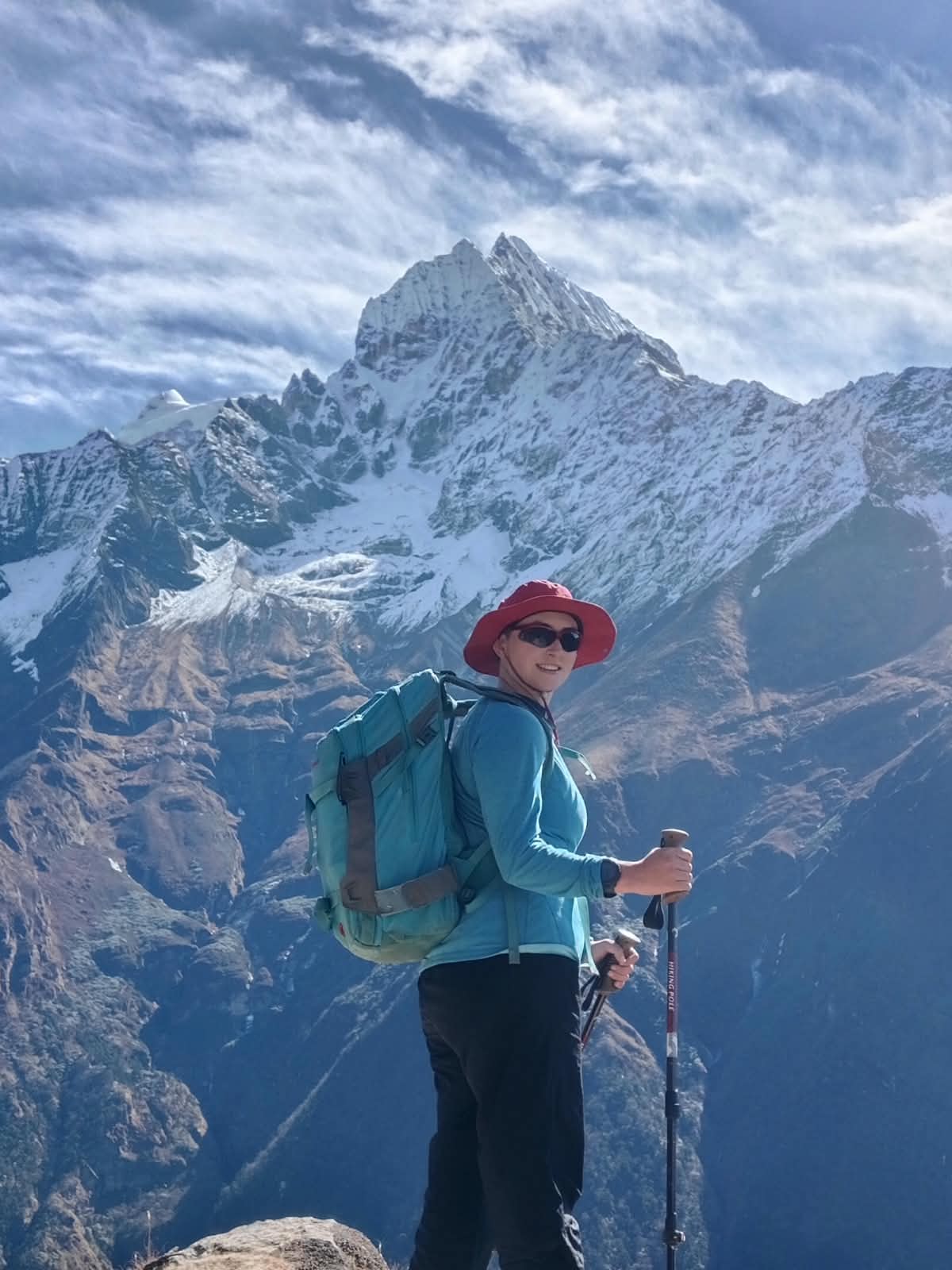
The Everest Panorama Trek is a popular trekking route in the Everest region of Nepal, offering breathtaking views of the Himalayas and an immersive cultural experience. While it doesn’t take you to Everest Base Camp, it provides trekkers with close-up views of some of the world’s highest peaks, including Mount Everest, Lhotse, Nuptse, and Ama Dablam.
The trek usually begins with a scenic flight from Kathmandu to Lukla, followed by a trek through picturesque Sherpa villages, lush valleys, and rhododendron forests. As you ascend, you’ll enjoy stunning mountain views and pass through cultural landmarks like Namche Bazaar, a vibrant Sherpa town and trading hub of the region.
The highlight of the trek is Tengboche Monastery, situated at an altitude of 3,867 meters. This revered Buddhist monastery offers not only spiritual solace but also breathtaking panoramic views of Everest and other majestic peaks. Witnessing the monks’ daily prayers and rituals adds a sense of tranquility to the journey.
The Everest Panorama Trek is a moderate-level trek, making it accessible to trekkers with a reasonable level of fitness and experience. The average duration of the trek is around 9-12 days, but it can vary depending on the specific itinerary and pace of the trekking group.
Throughout the trek, you’ll have the opportunity to interact with the Sherpa people, known for their warm hospitality and rich cultural heritage. You can explore traditional Sherpa villages, visit monasteries, and gain insights into their way of life.
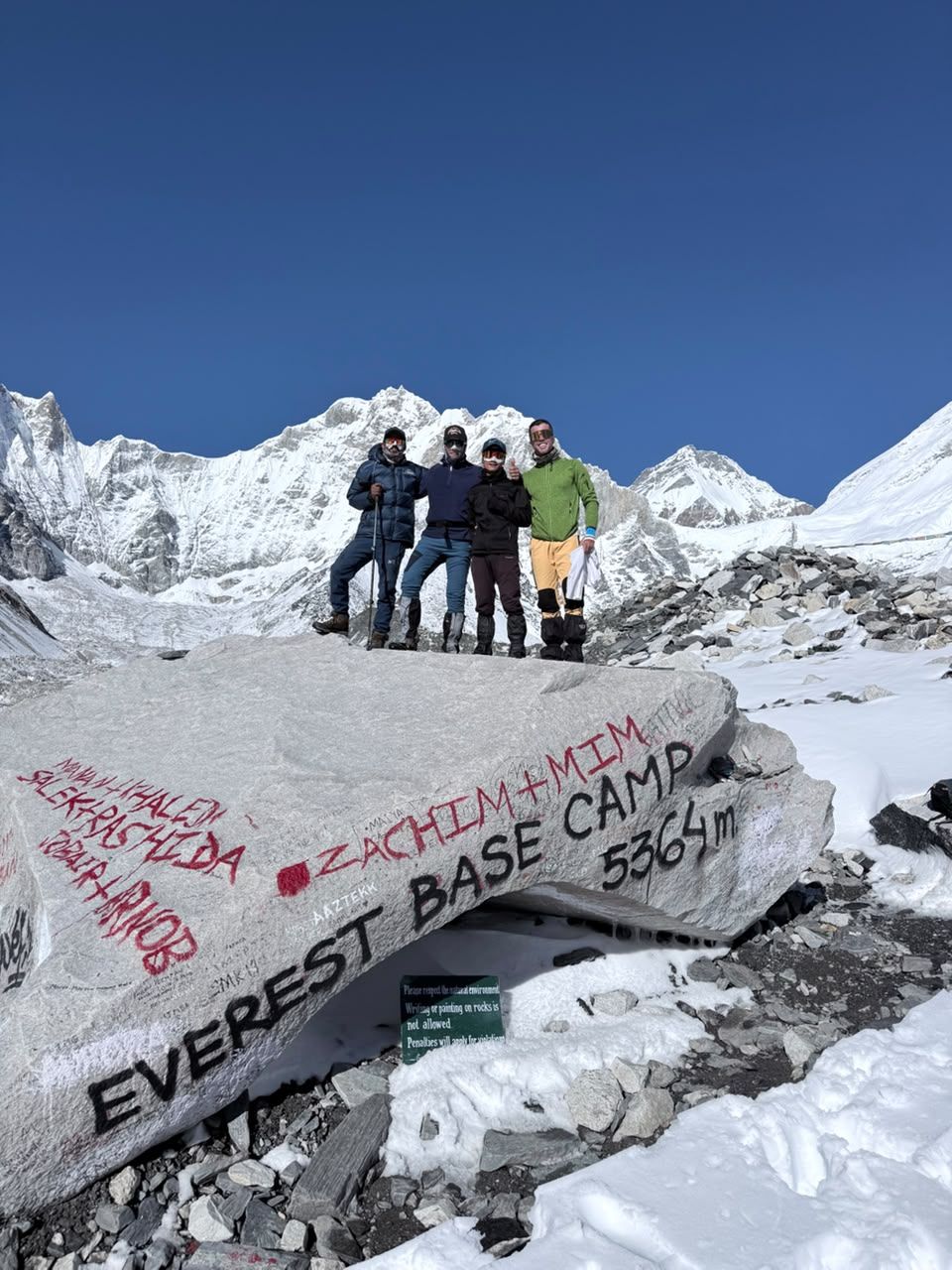
While the Everest Panorama Trek doesn’t reach the base camp, it offers trekkers a captivating experience in the Everest region. The stunning mountain vistas, cultural immersion, and the sense of adventure make it a rewarding journey. It is an ideal choice for those seeking to witness the grandeur of the Himalayas without undertaking the more physically demanding trek to Everest Base Camp.
Biodiversity:
Shorter but just as fascinating is the Everest Panorama Trek, which highlights the distinctive alpine habitats of the Himalayas and provides a rich tapestry of species. Trekking throughout a variety of altitudinal zones, each with its own unique plant and animal life, this route usually ascends to the Tengboche Monastery at 3,867 meters (12,687 ft). Pine, magnolia, and rhododendron forests abound in the lower reaches of the journey, around Lukla and Phakding. In the spring, when the rhododendrons bloom in a blaze of color, these forests are especially colorful. The alpine shrubs and meadows that trekkers reach towards Namche Bazaar and Tengboche are home to resilient species like dwarf rhododendrons and junipers that have adapted to the harsher climate.
Along the Everest Panorama Trek, there is equally interesting and diverse wildlife to behold. Although sightings of these animals are rare, the region is home to various species of high-altitude mammals, such as the Himalayan tahr, musk deer, and the elusive snow leopard. There is a wide variety of birds can be seen along the trail, including the vibrant Himalayan monal, which is the national bird of Nepal, blood pheasants, and several eagle and vulture species. These birds are essential to the ecosystem because they regulate insect populations and facilitate pollination. The Sagarmatha National Park, a UNESCO World Heritage Site devoted to protecting the distinctive flora and animals of the area, is also traversed by the journey.
Cultural Experience:
Trekkers may immerse themselves in the heart of Sherpa culture and Tibetan Buddhist traditions during the Everest Panorama Trek, providing a comprehensive cultural experience. The journey begins in Lukla and passes through charming towns where you may enjoy the friendliness of the Sherpa people, such as Phakding and Namche Bazaar. The vibrant Namche Bazaar is an essential nexus for the Khumbu region’s economy and culture. Trekkers can engage with locals, peruse local markets brimming with handcrafted goods, and discover Sherpa customs and way of life here. Renowned for their prowess in climbing, the Sherpa people have a strong bond with the Himalayas that is evident in their daily existence and their respect for the mountains.
The prevalence of Tibetan Buddhism increases the cultural experience as the trip continues into Tengboche. The largest gompa in the Khumbu region, Tengboche Monastery, is a spiritual light against the breathtaking backdrop of Ama Dablam and Everest. In addition to taking part in meditation classes and witnessing the monks’ daily rituals, visitors can take in the tranquil atmosphere of this holy location.
Every year, the monastery organizes the Mani Rimdu festival, which showcases vibrant mask dances and spiritual rituals that offer a clear window into the Sherpa community’s way of life. Prayer flags, mani stones, and chortens are scattered throughout the terrain throughout the trip, signifying the ubiquitous Buddhist influence.This cultural immersion, together with the breathtaking environment, highlights the Himalayas’ beautiful fusion of spirituality and nature, making the Everest Panorama Trek an incredibly enriching experience.
Climate:
The Everest Panorama Trek offers hikers a varied and occasionally difficult environment because of the climate, which varies greatly with height and season. The weather at Lukla, which lies at an elevation of 2,860 meters (9,383 feet), is generally temperate, with warm days and cool nights, especially during the spring (March to May) and fall (September to November) seasons. The ideal trekking weather, with clear skies and comfortable temperatures, is experienced during these seasons.
Rhododendron flowers blossom along the trail in the spring, and clear, crisp autumnal weather offers superb views of the neighboring peaks. While the winter months (December to February) bring frigid temperatures and snowfall, the summer monsoon season (June to August) can cause torrential rains that make the lower trails slick and prone to landslides.
The weather gets colder and more erratic as hikers rise towards Namche Bazaar (3,440 meters or 11,286 feet) and Tengboche (3,867 meters or 12,687 feet). During the busiest trekking seasons, daytime temperatures in these higher altitudes can still be fairly pleasant, but nights are much colder, frequently falling below freezing. Sun protection is crucial because of the thin atmosphere at these altitudes, which also means increased exposure to UV rays.
Winter weather can bring intense cold and snow to the trek’s upper elevations, making the track more difficult and perhaps impassable. Despite these difficulties, the Everest region’s dramatic and stunning views are a result of the region’s constantly shifting weather patterns, which makes the Everest Panorama Trek an exciting experience for those who are ready for its climatic changes.
Difficulty Level:
The Everest Panorama Trek is considered a moderate-level trek. While it is not as strenuous as the full Everest Base Camp trek, it still requires a good level of fitness and acclimatization. The trek involves walking on varied terrain, including uphill and downhill sections, and you may need to cross suspension bridges and ascend some steep trails. Altitude sickness can also be a concern as you gain elevation, so it’s important to take proper acclimatization days and follow a gradual ascent.
Duration:
The typical duration for the Everest Panorama Trek is around 9 to 12 days, including arrival and departure from Kathmandu. This duration allows for a comfortable pace and proper acclimatization. The actual trekking time can vary depending on your itinerary and the pace you choose. It’s important to note that the duration mentioned here is just for the trek itself and does not include any additional sightseeing or exploration days.
Equipments:
For the Everest Panorama Trek, it is important to have sturdy trekking boots that provide ankle support, comfortable and moisture-wicking trekking socks, layers of clothing including base layers, warm mid-layers like fleece or down jackets, and a waterproof and windproof outer shell. Trekking pants, a warm hat, gloves, and a neck gaiter or scarf for insulation are also essential. Additionally, a backpack with a capacity of around 30-40 liters, a warm sleeping bag suitable for cold temperatures, trekking poles for stability, a headlamp with extra batteries, a reusable water bottle, a personal first aid kit are necessary for a comfortable and safe trekking experience in the Everest Panorama Trek.
Accommodation:
We ensure that our clients stay in comfortable and clean lodges along the trekking route. These lodges provide basic amenities such as beds, blankets, and common washrooms. While the facilities may be simple, we make sure they are clean and suitable for a pleasant stay amidst the mountains.
Meals:
During the trek, we provide three delicious and nutritious meals a day. The meals typically include a variety of local and international dishes, such as rice, lentils, noodles, vegetables, soups, and meat (where available). We also take into consideration any dietary restrictions or preferences our clients may have, such as vegetarian, vegan, or gluten-free options.
Guide:
Touch the himalayas have experienced and knowledgeable local guides who will accompany you throughout the Everest Panorama Trek. Our guides are familiar with the region, its culture, and the trail, ensuring your safety and providing valuable insights along the way. They are trained in first aid and can assist you in case of any emergencies or difficulties during the trek.
Insurance:
We, touch the himalayas strongly recommend that our clients have travel insurance that covers trekking activities, including emergency medical evacuation. While we do not provide insurance directly, we can assist you in obtaining suitable insurance coverage and guide you through the process.
Permits:
As part of our service, we handle the necessary permits required for the Everest Panorama Trek. This includes obtaining the Sagarmatha National Park Entry Permit and the TIMS (Trekkers’ Information Management System) card. These permits allow you to legally access the trekking trails and contribute to the conservation efforts in the area.
At Touch the Himalayas, we prioritize the safety, comfort, and satisfaction of our clients. We take care of all the essential aspects of the Everest Panorama Trek, allowing you to focus on enjoying the breathtaking landscapes and unique cultural experiences along the way.
All the trip grading can be view here.
If you have any confusion for booking process please visit our booking process.