Ganja La Pass Trek Overview:
The Ganja La Pass trek is a challenging and adventurous trekking route located in the Langtang region of Nepal. It offers a unique opportunity to explore the remote and stunning landscapes of the Himalayas, including high-altitude passes and breathtaking mountain views. The trek starts from Syabrubesi and takes you through the beautiful Langtang Valley. This valley is home to charming villages, terraced fields, and grazing yaks. Take the time to explore the local culture and interact with the friendly inhabitants.
The trek follows a circular route that takes you through the beautiful Langtang Valley, passing through scenic forests, lush meadows, and traditional Tamang villages. From the Langtang Valley, you’ll ascend towards Kyanjin Gompa, a Buddhist monastery situated at an altitude of 3,870 meters. This serves as a base for acclimatization and exploration. Located at an altitude of 3,870 meters, Kyanjin Gompa is a significant Buddhist monastery in the region. Take a break in Kyanjin Gompa and explore the monastery, observe the daily rituals, and enjoy the panoramic views of the surrounding mountains.
Tserko Ri is a popular viewpoint situated near Kyanjin Gompa. It offers stunning panoramic views of the Langtang range, including Langtang Lirung and other snow-capped peaks. Hiking up to Tserko Ri provides a breathtaking vantage point to appreciate the grandeur of the Himalayas. Located on the way to Ganja La Pass, Langshisa Kharka is a picturesque high-altitude grazing pasture. It offers beautiful views of the surrounding mountains and serves as a resting point before tackling the pass.
The Ganja La Pass itself is a notable highlight of the trek. Once you reach the pass at an elevation of 5,122 meters, you’ll be rewarded with magnificent views of the Himalayas. Take the time to soak in the scenery and capture some unforgettable photographs. Crossing the pass requires technical skills and preparation. It offers a challenging but rewarding experience, with stunning views of the Himalayas from the top. After crossing the Ganja La Pass, the trail descends to Nayapul. This small settlement is surrounded by verdant landscapes and is an excellent place to rest and enjoy the natural beauty before continuing your descent.
Melamchi Gaon is a traditional Tamang village known for its cultural heritage and warm hospitality. It’s worth exploring the village, interacting with the locals, and gaining insights into their traditional way of life. Situated in the Helambu region, Tarke Gyang is a charming Sherpa village that falls on the alternate route of the Ganja La Pass trek. The village offers a glimpse into Sherpa culture and architecture. Visit the local monasteries and immerse yourself in the serene ambiance of the village.
The trek offers breathtaking views of snow-capped peaks, including Langtang Lirung (7,227m), Dorje Lakpa (6,966m), Ganesh Himal (7,422m), and others. The landscape varies from lush green valleys to alpine meadows and rocky terrain. The Ganja La Pass trek takes you through remote and less-explored areas of the Langtang region. You’ll be away from the popular trekking routes, giving you a sense of wilderness and solitude. The pristine surroundings and untouched landscapes add to the adventure. The Langtang region is dotted with ancient Buddhist monasteries.
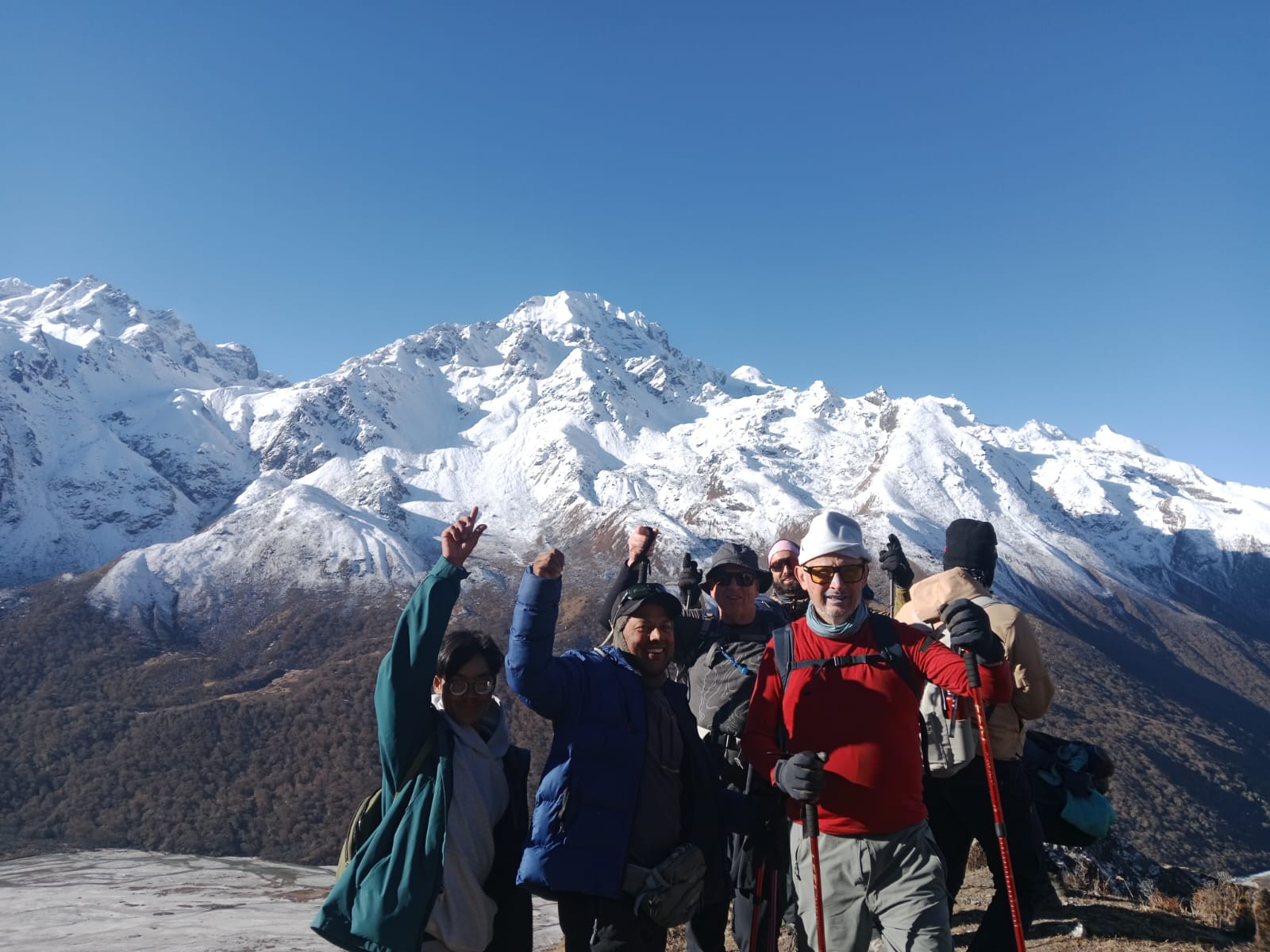
During the trek, you’ll have the opportunity to visit monasteries like Kyanjin Gompa and experience the peacefulness and spirituality they embody. You may even have a chance to witness religious rituals and ceremonies. The highlight of the Ganja La Pass trek is the breathtaking views of the Himalayan peaks. From Kyanjin Gompa and the Ganja La Pass, you’ll be treated to panoramic vistas of snow-capped mountains stretching as far as the eye can see. The sight of majestic peaks against the clear blue sky is truly awe-inspiring.
Cultural Experience:
Trekkers who choose to immerse themselves in the rich customs and way of life of the Tamang and Tibetan populations can have a significant cultural experience through the Ganja La Pass Trek, which is located in Nepal’s Langtang region. Starting in the bustling village of Syabrubesi, the hike passes past a number of traditional Tamang communities, including Kyanjin Gompa and Langtang Village.
With their unique cultural legacy shaped by Tibetan Buddhism, the Tamang people extend a warm welcome to guests and share insights into their daily routines and spiritual practices. Trekkers can see customary celebrations and rituals that are essential to the Tamang way of life, as well as explore historic monasteries, prayer wheels, and mani walls. Trekkers can improve their knowledge of the local way of life by sampling traditional foods like yak cheese, Tibetan bread, and dal bhat while lodging at local teahouses.
The cultural experience becomes more profound as the walk continues toward the difficult Ganja La Pass (5,106 meters or 16,752 feet). This is due to the growing influence of Tibetan Buddhism. The small communities and the untamed, isolated terrain convey an impression of the ancient, unaltered way of life that these high-altitude regions still practice. Since Ganja La Pass connects the Langtang Valley and the Helambu region, it has historically facilitated trade and cultural interchange between these areas, making the pass itself an important cultural excursion.
Trekkers come across the Yolmo Sherpa people in the Helambu region, who are renowned for their unique cultural identity and customs. Monasteries in this area, like the revered Tarkeghyang Monastery, are hubs of spiritual activity and provide additional chances to witness and engage in Buddhist activities. With the Himalayas as a breathtaking backdrop, the Ganja La Pass Trek offers a diverse range of cultural experiences that merge the traditions of the Tamang, Tibetan, and Yolmo Sherpa people.
Flora and Fauna:
The Langtang region is known for its diverse flora and fauna. During the trek, you will pass through beautiful forests of rhododendrons, bamboo, and pine, providing habitat for various bird species and wildlife such as Himalayan black bears, red pandas, and musk deer. The region is also home to several rare and endemic plant species.
Climate:
The climate in the Ganja La Pass trek region varies with the altitude. In the lower regions, the climate is typically mild, while at higher altitudes, it becomes colder. The best time to undertake this trek is during the spring (March to May) and autumn (September to November) seasons when the weather is generally clear and stable.
Difficulty Level:
The Ganja La Pass trek is considered a challenging and strenuous trek. The trail involves steep ascents, descents, and traversing over the Ganja La Pass, which stands at an elevation of 5,130 meters (16,830 feet). It requires a good level of fitness, prior trekking experience, and the ability to acclimatize to the high altitude.
Duration:
The duration of the Ganja La Pass trek typically ranges from 12 to 15 days, depending on the itinerary and trekking pace. This includes both the trekking days and additional days for acclimatization and exploring the surrounding areas.
Equipment:
It is essential to have the right equipment for a successful trek. Some of the necessary equipment for the Ganja La Pass trek includes sturdy trekking boots, warm clothing (including a down jacket and thermal layers), a sleeping bag, a backpack, trekking poles, a headlamp, sunglasses, a hat, gloves, and a water bottle. It is also advisable to carry a first aid kit and any personal medications you may need.
Accommodation:
We, touch the Himalayas to ensure comfortable accommodation for trekkers along the Ganja La Pass trail. We carefully select lodges and tea houses that offer clean rooms and basic amenities, providing a cozy and welcoming environment for you to rest and rejuvenate after a challenging day of trekking. We prioritize your comfort and strive to make your stay enjoyable.
Meals:
We take great care in providing nourishing meals for trekkers throughout the Ganja La Pass trek. Our experienced cooks prepare delicious and nutritious meals, catering to different dietary preferences and requirements. We prioritize quality and hygiene to ensure that you are well-fed and energized during your trek.
Guide:
Touch the Himalayas provides experienced and knowledgeable guides who are familiar with the Ganja La Pass region. Our guides are trained to ensure your safety and enhance your trekking experience. They offer valuable insights about the trail, local culture, and natural surroundings. They are there to assist you, answer your questions, and address any concerns that may arise during the trek.
Permits:
Trekking in the Ganja La Pass region requires obtaining specific permits. As part of our services, we handle the permit process on behalf of our clients. We will assist you in obtaining the necessary permits, such as the TIMS (Trekkers’ Information Management System) card, Langtang National Park entry permit, and any other permits required for the trek.
At Touch the Himalayas, we work as a team to provide exceptional facilities and services for your Ganja La Pass trek. We are dedicated to ensuring that your trekking experience is memorable, safe, and rewarding.
All the trip grading can be viewed here.
If you have any confusion about the booking process please visit our booking process.