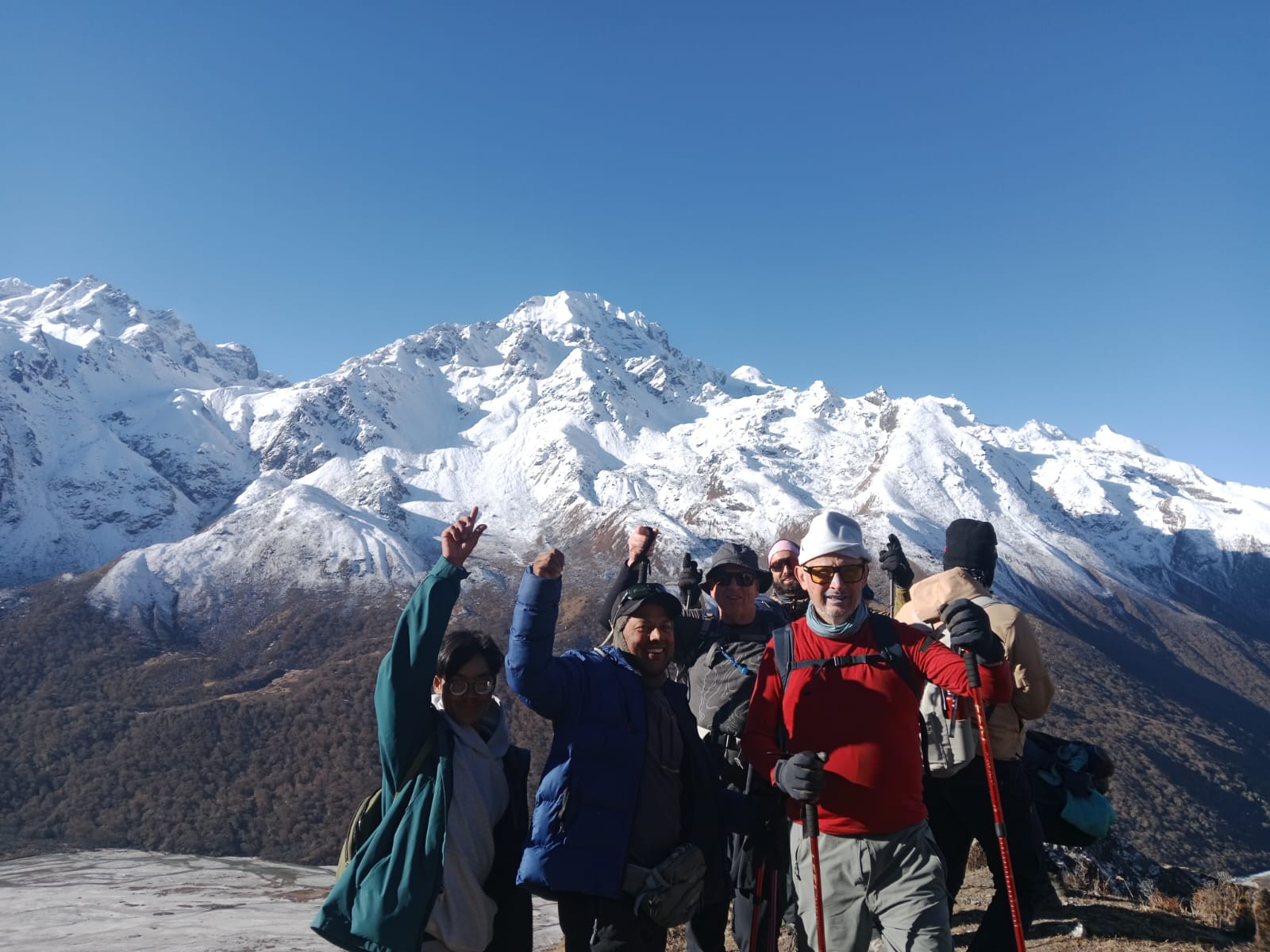
The Panch Pokhari trek is is also known as Pachpokhari Trek located in the Sindhupalchowk district of Nepal, located within Langtang National Park, and spans over 10 days, commencing and concluding in Kathmandu. This trek presents a moderate challenge, making it suitable for individuals with a good fitness level and some prior trekking experience. The ideal times for this journey are during the stable weather and clear skies of spring (March to May) and autumn (September to November), offering awe-inspiring panoramic views.
The trek’s main attraction includes the immersive cultural experience of traveling through traditional Tamang and Sherpa villages. Visitors have the opportunity to engage with the local culture by exploring old monasteries decorated with prayer flags and chortens, which bring a spiritual aspect to the trip. The warmth and welcoming nature of the local communities amplify the cultural diversity of this trek.
The trek offers breathtaking views of the Himalayan peaks, such as Dorje Lakpa, Phurbi Chhyachu, and Madiya, making it an unparalleled experience in terms of scenic beauty. The trail presents a range of landscapes, from vibrant rhododendron, bamboo, and pine forests to tranquil alpine meadows. The highlight of the journey is reaching Panch Pokhari, a group of five sacred lakes respected by Hindus and Buddhists alike, providing a serene and profoundly spiritual experience. Passing through Langtang National Park, the trek provides an opportunity to encounter a diverse range of wildlife including red pandas, Himalayan black bears, musk deer, and numerous bird species, adding an exciting wildlife element to the adventure.
Climate During Panch Pokhari Trek -10 Days
The climate in the Panch Pokhari -10 days trek varies greatly depending on the altitude and time of year. During the spring (March to May) and autumn (September to November), the weather remains generally steady and clear, offering the ideal conditions for trekking. At lower elevations, daytime temperatures range from 10°C to 20°C, creating enjoyable trekking conditions, while nighttime temperatures may decrease significantly, especially at higher elevations. As hikers ascend, temperatures drop, and it can be very cold at night, particularly near Panch Pokhari, where temperatures can fall below 0°C.
The trek also experiences significant climatic variations due to elevation changes. Lower regions are typically warmer and may have some rainfall, especially in the late spring. In contrast, higher altitudes have a cooler, alpine climate, with snow possible in early spring and late autumn. Proper clothing and gear to handle both warm daytime temperatures and freezing nights are essential for a comfortable and safe trekking experience.
Culture in Panch Pokhari Trek
The Panch Pokhari trek provides interesting Cultural Experiences as it winds through traditional Tamang and Sherpa communities, giving trekkers a unique perspective on local life. The hospitality in these settlements is warm and welcoming, allowing trekkers to interact with the inhabitants and learn about their customs, traditions, and daily activities. As you go through these towns, you will come across finely crafted prayer flags, ancient monasteries, and chortens (Buddhist shrines), all of which tell stories of spiritual significance and deeply held religious beliefs.
Traditional architecture and colorful festivals, which might connect with your visit, add to the region’s cultural richness. Observing local ceremonies, tasting native cuisine, and participating in community events provide a stronger connection to the local culture. The trekking offers not only a visual and physical adventure but also a deep cultural immersion, making it a complete and meaningful experience.
Biodiversity in Panch Pokhari Trek
The Panch Pokhari trek takes you through Langtang National Park’s different ecosystems, making it an ideal destination for biodiversity lovers. The walk begins in vibrant, lower-altitude forests abounding with Rhododendron, bamboo, and pine trees, which provide habitat for a variety of bird species and small mammals. As trekkers rise, the landscape changes to alpine meadows and rocky terrains, which are home to distinctive flora such as Himalayan blue flowers and edelweiss. The mix of ecosystems supports a diverse range of plant and animal life, making the trek an attraction for botanists and naturalists.
The wildlife in Langtang National Park is rich and diverse. Trekkers may see rare red pandas, Himalayan black bears, and musk deer. The park also has langur monkeys, Himalayan thar, and a variety of pheasants, including Nepal’s national bird, the colorful Danphe. Birdwatchers can see a variety of birds of prey, including eagles and vultures, flying above the valleys. The biodiversity of Panch Pokhari is more than simply a backdrop for the walk; it is an essential part of the experience, providing the opportunity for wildlife sightings and appreciation of the natural world in one of Nepal’s most beautiful locations.
Duration of Panch Pokhari Trek
The Panch Pokhari trek is a 10-day trek that starts and ends in Kathmandu, Nepal. This time period allows trekkers to completely immerse themselves in the varied scenery and rich cultural experiences along the way. Beginning with a journey from Kathmandu to Chautara, the trip takes you through scenic villages and peaceful natural settings, with daily ascents and descents that end at the sacred Panch Pokhari lakes. Every day presents new difficulties and rewards, from exploring lush forests and alpine meadows to feeling the kindness of local Tamang and Sherpa communities.
With a well-planned schedule, trekkers can enjoy the journey without rushing, giving them plenty of time to take in the natural beauty and cultural richness of the area. The trek finishes with a descent to Melamchi Bazaar and a drive back to Kathmandu, offering a thorough exploration of one of Nepal’s hidden gems. This 10-day trek balances physical activity with time for reflection and cultural experiences, making it both memorable and rewarding.
Best Time for Panch Pokhari Trek
The best time to go on the Panch Pokhari trek is during spring (March to May) and autumn (September to November). In spring, the weather is nice, the rhododendrons are blooming, and the skies are clear, offering beautiful views of the Himalayas. The trails are especially colorful with all the flowers.
Autumn is also a great season for this trek, with stable weather, fresh air, and excellent visibility. The temperatures are comfortable, and the mountain views are clear. These seasons offer the best conditions for a memorable trekking experience, with little rain and plenty of chances to enjoy the natural beauty and local culture.
Difficulty in Panch Pokhari Trek
The Panch Pokhari trek is moderately hard and best for those with some trekking experience and good fitness. The trail has both uphill and downhill sections, which can be tough on the legs and stamina. Trekkers will walk through forests, rocky paths, and sometimes steep slopes.
The altitude is another challenge, especially as you reach higher areas near Panch Pokhari, around 4,100 meters. The thinner air at this height can make breathing harder for some people. It’s important to go at a steady pace and take time to get used to the altitude to avoid sickness. While the trek offers beautiful views and cultural experiences, it requires physical preparation and careful pacing to be safe and enjoyable.
Accommodation in Panch Pokhari Trek
Accommodation on the Panch Pokhari trek mostly includes teahouses and lodges with basic amenities. These places offer simple rooms with shared bathrooms and communal dining areas where trekkers can enjoy hot meals. The food is usually traditional Nepali dishes like dal Bhat (lentil soup with rice), momos (dumplings), and various soups and noodles. The friendly local hosts make the stay comfortable and welcoming.
In more remote parts of the trek, where teahouses are limited, camping might be necessary. Trekkers should bring proper camping gear, including tents and warm sleeping bags. Whether staying in teahouses or camping, trekkers can enjoy the local culture and the beautiful Himalayan scenery. Though the accommodations are basic, they add to the authentic adventure of the Panch Pokhari trek.
What To Bring For This Trek?
For the 10-day Panch Pokhari trek, make sure to bring essential items for a safe and comfortable trip. Pack durable trekking boots, warm clothes in layers, and a waterproof jacket for different weather conditions. A good sleeping bag for cold nights is important, especially if you’re camping. Also, bring a backpack with a rain cover, trekking poles for support, and a hat, gloves, and sunglasses for sun and cold protection.
Other important items include a first aid kit with necessary medicines, water purification tablets or a filter, and high-energy snacks like nuts and energy bars. Don’t forget personal hygiene items, a quick-drying towel, and a headlamp with extra batteries. A map, compass, and a fully charged phone or GPS device are helpful for navigation. Packing light but with all these essentials will make your trek more enjoyable without carrying too much weight.
Why Choose Us For this Trek?
At Touch the Himalaya Treks and Expeditions:
- We offer convenient and pocket-friendly transportation for an optimized experience.
- We offer exceptional customer service, ensuring a top-notch experience for every guest.
- We provide customized itinerary choices based on your requirements and preferences.
- Group participation is an available option for your convenience.
- Our prices are set competitively to ensure affordability for our customers.
- We also provide guided, partially guided, and unguided tours based on your preference.
For More Monsoon Treks in Nepal Visit: