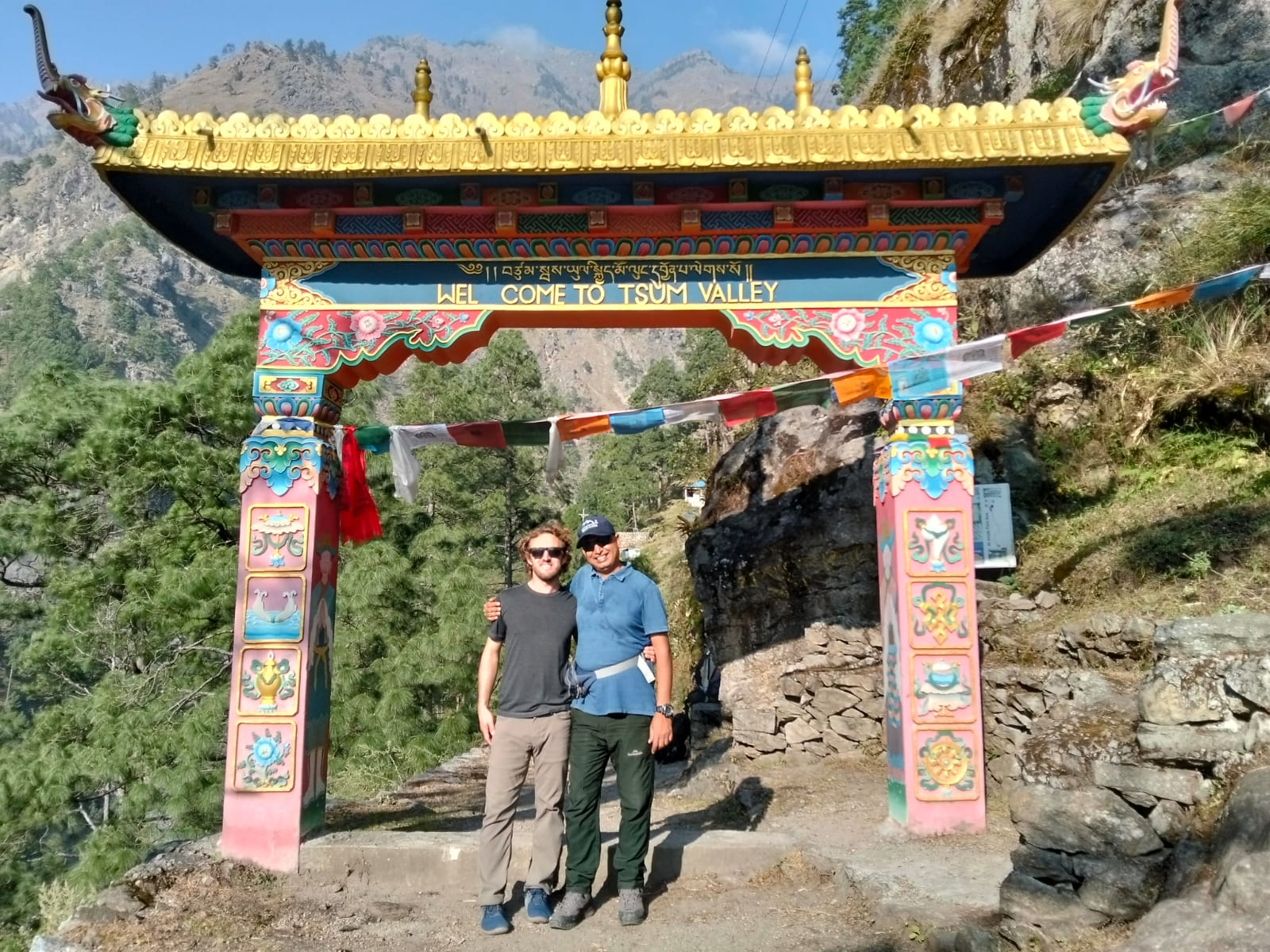
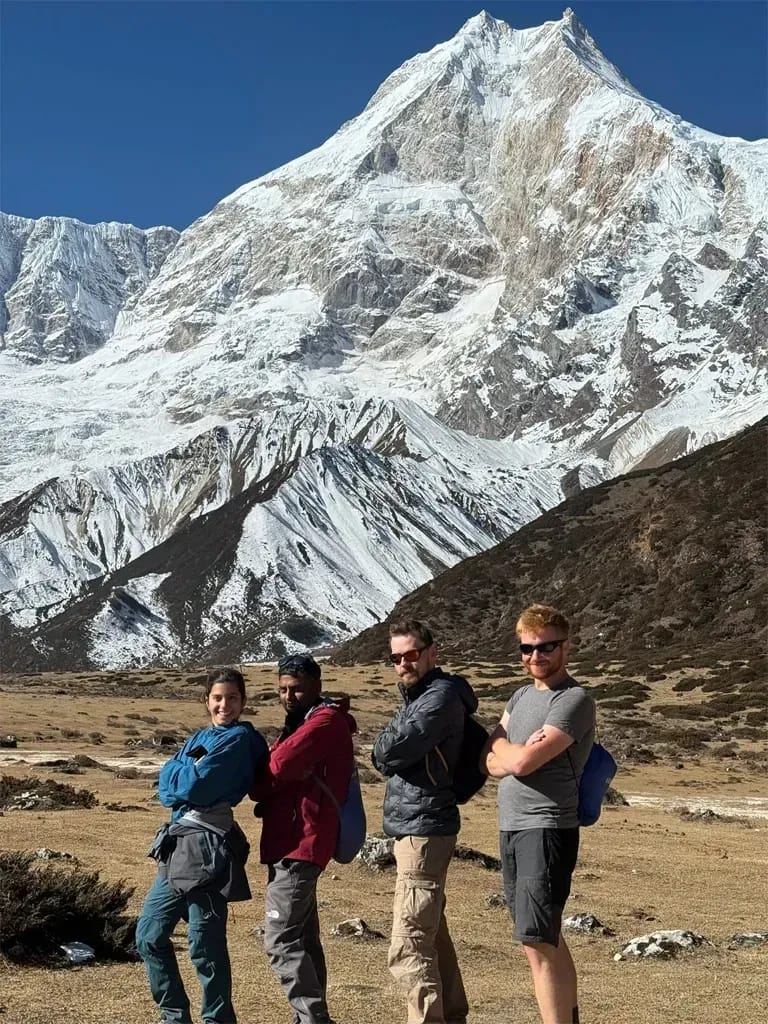
Tsum Valley Trek, Nepal – A hidden gem in the Manaslu region, is a sacred Himalayan sanctuary rich in Tibetan culture, ancient monasteries, and breathtaking landscapes. Known as the “Valley of Happiness,” it offers stunning views of Ganesh Himal, peaceful villages, and spiritual serenity. Trek through untouched trails, encounter warm-hearted locals, and experience a truly remote Himalayan.
Tsum Valley Trek is a rural valley in Nepal’s Gorkha district. The valley has a rich cultural and natural legacy and is encircled by the Himalayas. The valley is still one of Nepal’s least popular trekking sites even though it just opened to hikers in 2008 and is considered a gem hidden in the mountains of Nepal.
Tsum Valley Trek is renowned for its long-standing Buddhist customs and culture. Many monasteries, Chortens (Buddhist shrines), and mani walls may be seen throughout the valley (stones inscribed with prayers). A well-known Buddhist saint by the name of Milarepa is thought to have meditated in this valley while en route to Tibet.
The Tsum Valley Trek Starts from the little village of Machhakhola in the Manaslu area, the journey to Tsum Valley takes between 13 and 15 days. Several tiny settlements, including Chumling, Chhekampar, and Mu Gompa, are traversed throughout the walk.
Tsum Valley is Nepal’s hidden treasure that provides a distinct and genuine trekking experience. The valley is a must-visit spot for adventurous tourists seeking an authentic Nepali experience because of its rich cultural and natural history, secluded location, and breathtaking vistas.
Shagya Rules: The Sacred Prohibitions of Tsum Valley
Tsum Valley, a hidden gem in the Manaslu region of Nepal, is not just known for its breathtaking landscapes and rich Tibetan Buddhist culture but also for its deep-rooted spiritual traditions. Among these traditions, the Shagya Rules (prohibitions against killing animals) stand as a unique and sacred practice that has been strictly followed since 1921 A.D.
What Are the Shagya Rules?
The Shagya Rules are a set of prohibitions that emphasize non-violence, environmental preservation, and ethical treatment of animals. These rules apply to both locals and visitors traveling through Tsum Valley and are meant to protect the valley’s spiritual and ecological balance.
Seven Sacred Prohibitions:
- No hunting – Hunting of any wild animals is strictly forbidden.
- No trapping of animals – Any form of animal capture or poaching is not allowed.
- No honey extraction – Harvesting honey from wild beehives is prohibited.
- No trading of domestic animals for meat – Selling or exchanging animals for slaughter is banned.
- No killing of terrestrial and aquatic animals, including calves – Taking the life of any creature, big or small, is against the valley’s sacred values.
- No fire in the hills, forest, or grassland – Lighting fires that could harm nature is strictly discouraged.
- No transportation of animals for meat business – Bringing livestock into the valley for meat trade is not allowed.
Why Are These Rules Important in Tsum Valley Trek?
Tsum Valley is deeply influenced by Tibetan Buddhism, where non-violence and compassion towards all living beings are fundamental beliefs. The enforcement of the Shagya Rules reflects the valley’s commitment to these values and helps preserve its pristine natural environment. By following these rules, visitors contribute to the conservation of wildlife, forests, and the peaceful way of life in Tsum Valley.
A Tribute to Spiritual Legacy
This inscription was renewed on 23 May 2024, during Buddha Purnima, in memory of the late 9th Khenchen Thrangu Rinpoche. His teachings emphasized kindness, wisdom, and harmony with nature. The wall inscription was commissioned by the previous ward Chairperson of Chum Nub-06, Lokpa Lobsang Phuntsok.
The Sacred Prohibitions of Tsum Valley
Tsum Valley trek is more than just a trekking destination—it’s a sacred sanctuary where nature and spirituality coexist in harmony. Every traveler visiting this mystical land is encouraged to respect and uphold the Shagya Rules, ensuring that this Himalayan paradise remains untouched for future generations.
Tsum Valley Trek Itinerary (Outline)
The 17-day Tsum Valley Trek takes place in Nepal’s western region, in the district of Gorkha, in the country’s north. The valley is situated at the base of the Sringi and Ganesh Himal mountain ranges. With mountains towering above 7000 m, the Tsum Valley is a hidden gem.
Tsum Valley Trek Outline Itinerary
Day 1: Drive from Kathmandu to Machha Khola (870m) 🚗
A long but scenic drive through hills, rivers, and terraced fields, passing through Arughat and Soti Khola before reaching Machha Khola.
Day 2: Trek from Machha Khola to Jagat (1,340m) 🥾
Follow the Budhi Gandaki River, crossing suspension bridges and passing through Gurung villages and hot springs.
Day 3: Trek from Jagat to Lokpa (2,240m) 🌿
Enter the restricted Tsum Valley region, passing beautiful pine forests and reaching the first Tsum Valley village.
Day 4: Trek from Lokpa to Chumling (2,386m) 🏔️
A scenic walk through lush forests, crossing wooden bridges, and visiting the first Buddhist monasteries of Tsum Valley.
Day 5: Trek from Chumling to Chhokang Paro (3,031m) 🏯
Pass through traditional stone houses, barley fields, and beautiful landscapes with views of Ganesh Himal.
Day 6: Trek from Chhokang Paro to Nile (3,361m) 🕍
Visit Rachen Gompa on the way and explore Tibetan Buddhist culture in this high-altitude valley.
Day 7: Hike to Mu Gompa (3,700m) – Exploration Day ⛰️
A short trek to Mu Gompa, the largest monastery in the valley, with stunning mountain views. Optional visit to Dhephu Doma Gompa.
Day 8: Trek from Mu Gompa to Rachen Gompa (3,240m) 🙏
Descend to Rachen Gompa, a famous nunnery, and spend time exploring Buddhist rituals and traditions.
Day 9: Trek from Rachen Gompa to lokpa (2,240m) 🌲
Walk through beautiful forests and small villages, descending gradually to lower elevations.
Day 10: Trek from Lokpa to Philim (1,570m) 🏡
Join the main Manaslu Circuit route, enjoying waterfalls and dense forests along the way.
Day 11: Trek from Philim to Machhakhola (870m) 🏕️
Retrace the trail along the Budhi Gandaki River, passing through picturesque Gurung villages.
Day 12: Drive from Machha-Khola to Kathmandu 🚌
Scenic drive back to Kathmandu, passing through Arughat and Dhading.
Tsum Valley Trek Distance & Elevation Chart
Day | Destination | Distance | Elevation |
|---|
Day 1 | Kathmandu to Machha Khola | 160 km (drive) | 870m |
Day 2 | Machha Khola to Jagat | 14 km | 1,340m |
Day 3 | Jagat to Lokpa | 16 km | 2,240m |
Day 4 | Lokpa to Chumling | 10 km | 2,386m |
Day 5 | Chumling to Chhokang Paro | 9 km | 3,031m |
Day 6 | Chhokang Paro to Nile | 7 km | 3,361m |
Day 7 | Hike to Mu Gompa | 5 km | 3,700m |
Day 8 | Mu Gompa to Rachen Gompa | 6 km | 3,240m |
Day 9 | Rachen Gompa to Lokpa | 10 km | 2,240mm |
Day 10 | Dumje to Philim | 16 km | 1,570m |
Day 11 | Philim to Machhakhola | 15 km | 870m |
Day 12 | Machhakhola to Kathmandu | 160 km (drive) | 1,400m |
| | | |
Trek Highlights:
✅ Remote and sacred Tsum Valley, known as the “Hidden Valley of Happiness”
✅ Stunning views of Ganesh Himal, Shringi Himal, and Boudha Himal
✅ Visit ancient Buddhist monasteries like Mu Gompa and Rachen Gompa
✅ Experience Tibetan-influenced culture and traditions
✅ Walk through pristine forests, waterfalls, and unique landscapes
✅ Observe the Shagya Rules (Prohibition of Killing Animals) in Tsum Valley
Top 3 Best Features of the Tsum Valley Trek
Sacred Hidden Valley & Buddhist Culture 🏯
- Tsum Valley is known as the “Hidden Valley of Happiness”, deeply influenced by Tibetan Buddhism.
- Home to ancient monasteries like Mu Gompa and Rachen Gompa, where Buddhist monks and nuns practice meditation.
- The valley follows Shagya Rules, prohibiting the killing of animals, making it a spiritually peaceful place.
Breathtaking Himalayan Scenery 🏔️
- Spectacular views of Ganesh Himal (7,422m), Shringi Himal (7,187m), and Boudha Himal (6,672m).
- The trek takes you through lush forests, cascading waterfalls, deep gorges, and alpine meadows.
- Remote and untouched landscapes provide a serene and less crowded trekking experience.
Authentic Himalayan Lifestyle & Remote Villages 🏡
- The region is inhabited by the Tsumba people, who still follow their traditional Tibetan way of life.
- Trekking through ancient stone villages, yak pastures, and barley fields gives a unique cultural experience.
- Experience traditional homestays, taste organic Himalayan food, and interact with warm-hearted locals.
Best Time to Trek in Tsum Valley
Tsum Valley Trek is a remote and restricted-region trek, offering breathtaking landscapes, ancient monasteries, and rich Tibetan Buddhist culture. Choosing the right season for your trek enhances the experience, ensuring clear views, stable weather, and comfortable trekking conditions.
✅ Spring (March–May) – Best Season 🌸
Spring is one of the best times for the Tsum Valley Trek. The weather is stable, the skies are clear, and the hills are covered with rhododendron blossoms.
- Temperature: 10°C to 20°C in lower areas; colder at higher altitudes.
- Highlights: Blooming wildflowers, lush green landscapes, and excellent mountain visibility.
- Best for: Photography, nature lovers, and comfortable trekking conditions.
✅ Autumn (September–November) – Best Season 🍁
Another ideal season for trekking in Tsum Valley is autumn. The monsoon rains clear the dust, leaving behind fresh air and stunning scenery.
- Temperature: 5°C to 15°C at higher elevations; pleasant in lower regions.
- Highlights: Crystal-clear mountain views, mild temperatures, and festive vibes (Dashain & Tihar).
- Best for: High-altitude trekking, clear skies, and cultural experiences.
❌ Winter (December–February) – Challenging but Possible ❄️
Winter trekking is difficult in Tsum Valley due to extreme cold and snowfall, making trails icy and high passes risky. However, for experienced trekkers, it offers solitude and a unique snowy landscape.
- Temperature: -5°C to -15°C at higher elevations.
- Challenges: Harsh cold, heavy snowfall, and limited teahouse availability.
- Best for: Experienced trekkers seeking solitude and winter photography.
❌ Monsoon (June–August) – Not Recommended 🌧️
The monsoon season brings heavy rainfall, making trails slippery and prone to landslides. Leeches are also common in lower altitudes, and mountain views are often obscured by clouds.
- Temperature: 15°C to 25°C in lower regions.
- Challenges: Rain, muddy trails, leeches, and poor visibility.
- Best for: Botanists and those interested in lush greenery and waterfalls.
Final Verdict: When Should You Go to Tsum Valley Trek ?
For the best experience, Spring (March-May) and Autumn (September-November) are the most recommended seasons for the Tsum Valley Trek. These months provide the best weather, stunning landscapes, and excellent mountain views.
Required Permits for Tsum Valley Trek
The Tsum Valley is a restricted area in Nepal, meaning trekkers must acquire a Tsum Valley Restricted Area Permit (RAP) to trek here. This permit ensures that only authorized visitors explore this unique region, preserving its culture and environment. The permit is issued by the Department of Immigration in Kathmandu and can be obtained through trekking agencies.
Manaslu Conservation Area Permit (MCAP)
For trekking in the Tsum Valley, you will need the Manaslu Conservation Area Permit (MCAP) for areas within the Manaslu region. These conservation area permits are available through trekking agencies and can be obtained in Kathmandu or at the trek’s entry point.
Manaslu Restricted Area Permit & Annapurna Conservation Area Permit (ACAP) (if combined with Manaslu Circuit)
If you are trekking in the Tsum Valley in combination with the Manaslu Circuit, you will need the Manaslu Restricted Area Permit (RAP). The Manaslu region is also a restricted area, and this permit ensures your entry. It is mandatory for trekkers to be part of a registered group with a licensed guide. Similarly, for parts of the trek that fall within the Annapurna Conservation Area, the Annapurna Conservation Area Permit (ACAP) is required
Difficulty Level & Physical Preparation
Trekking Difficulty (Moderate to Challenging)
The Tsum Valley Trek is considered moderate to challenging in difficulty. The trail involves long days of walking with substantial ascents and descents. You will be trekking through rugged terrain, crossing suspension bridges, and traversing steep slopes. While it is accessible for fit beginners, trekkers should be prepared for physically demanding days, particularly if combining the Tsum Valley Trek with the Manaslu Circuit.
Altitude Sickness Considerations and Acclimatization Tips:
Altitude sickness is a risk above 2,500 meters, and the Tsum Valley Trek reaches altitudes of up to 3,700 meters. To prevent altitude sickness:
- Take it slow and ensure proper acclimatization.
- Stay hydrated and avoid alcohol.
- If symptoms of altitude sickness (headache, dizziness, nausea) arise, descend to lower altitudes immediately.
- Rest and acclimatize in villages like Chumling or Dingboche.
Recommended Fitness Level and Training
A moderate level of fitness is recommended. Cardiovascular fitness (e.g., jogging, cycling) and strength training (to build leg muscles) will prepare you for the trek. It’s helpful to train by walking with a loaded backpack and gradually increasing the duration and elevation of your hikes.
Tsum Valley Trek is noted for its amazing natural beauty and unusual geological features. A rocky landscape with cliffs and deep canyons surrounds the valley. The valley’s river has sculpted incredibly slender canyons and gorges that provide breathtaking views. The valley is renowned for its varied flora and wildlife, which includes a blend of subtropical and alpine plants. The Himalayan tahr, snow leopard, and musk deer are just a few of the threatened species that call the valley home.
Cultural and Religious Significance of Tsum Valley
Ancient Buddhist Monasteries (Mu Gompa, Rachen Gompa, Dhephu Doma Gompa)
The Tsum Valley is rich in Buddhist culture and is home to some ancient monasteries. Mu Gompa is one of the most famous and offers breathtaking views of the surrounding mountains. Rachen Gompa and Dhephu Doma Gompa are also important spiritual sites. These monasteries serve as centers for Tibetan Buddhism, housing monks and nuns who maintain the region’s spiritual traditions.
Influence of Tibetan Buddhism in the Region
Tsum Valley has been heavily influenced by Tibetan Buddhism, and this is reflected in the region’s customs, rituals, and daily life. The area has a Tibetan-influenced culture, with prayer flags, stupas, and mani stones (stones engraved with Buddhist prayers) visible along the trekking route. The Buddhist faith is deeply integrated into the lives of the local people.
Importance of Respecting Local Customs and Traditions
When visiting Tsum Valley, it’s important to respect local customs and traditions. Dress modestly, ask before taking photos (especially in sacred places), and avoid touching religious artifacts. The locals are very welcoming, but showing respect for their customs, including greeting with “Tashi Delek” (a Tibetan greeting), will enhance your experience.
Tsum Valley people are renowned for their friendliness and generosity toward guests. They are mostly subsistence farmers, and their diet comprises dairy products like yak butter and cheese, as well as locally farmed grains like barley, buckwheat, and potatoes. Yaks play a significant role in their way of life and are used in their animal husbandry practices.
The social structure of the Tsumbas is based on extended family and clan ties, and they have a strong sense of community. They observe their own customs and holidays, such as Dhacyhang, which honors the harvest, and Lhosar, which is observed on the Tibetan New Year.
The Tsum Valley Trek area has gained popularity as a hiking location recently, which has helped the locals. To make sure that the local environment and culture are not negatively harmed, sustainable tourism measures must be used.
Accommodation & Food on the Trek
Teahouses and Homestays in Tsum Valley
Accommodation in Tsum Valley mainly consists of teahouses and homestays, offering a cozy and authentic experience. The teahouses provide basic but comfortable lodging, and homestays offer more intimate cultural experiences with local families. You’ll find rooms with beds, blankets, and simple amenities, but you may need to bring your own sleeping bag for higher-altitude areas.
Types of Food Available (Traditional Dal Bhat, Tibetan Bread, Butter Tea, Momos)
The food on the trek is typically Nepali and Tibetan influenced:
- Dal Bhat: A traditional Nepali dish of lentil soup, rice, and vegetables.
- Tibetan Bread: Often served for breakfast, this flatbread is fried and delicious.
- Butter Tea: A Tibetan specialty made from butter, tea, and salt, providing energy for the trek.
- Momos: Dumplings filled with meat or vegetables, a popular snack on the trail.
Packing List for Tsum Valley Trek
Essential Gear (Clothing, Trekking Boots, Sleeping Bag, Personal Items)
- Clothing: Quick-dry clothes, thermal layers, waterproof jacket, and warm fleece for colder altitudes.
- Trekking Boots: Sturdy, waterproof trekking boots for rocky terrain.
- Sleeping Bag: A 3-season sleeping bag suitable for temperatures as low as -10°C.
- Personal Items: Water bottles, sunscreen, lip balm, first-aid kit, trekking poles, camera, and a power bank.
Trekking Equipment Recommendations
- Headlamp with extra batteries.
- Water purification tablets or a water filter.
- Daypack for carrying snacks, water, and a light jacket.
Trekking gear is an essential part of a successful trek. It’s essential to have a good pair of trekking boots, warm clothes, a waterproof jacket, a sleeping bag, a backpack, and trekking poles. To view a detailed list please go through the link of the EQUIPMENTS LIST
How to Reach the Starting Point (Machha Khola from Kathmandu)
Transport Options from Kathmandu (Local Bus or Private Jeep)
To reach the starting point of the Tsum Valley Trek, you will first need to travel to Arughat from Kathmandu. From Machhakhola, you can take a local bus, leaves from New Buspark or hire a private jeep to reach Machha Khola which is the trek’s starting points.
Road Conditions and Travel Time
The road conditions are rough, especially after Arughat. Travel time from Kathmandu to Machha Khola/Soti Khola is around 8-10 hours by bus or jeep, depending on weather and road conditions. The journey is bumpy but scenic, with views of hills and rivers.
Routes & Trekking Combinations
Tsum Valley Trek Only (14–16 Days)
The Tsum Valley Trek can be completed in 14–16 days, allowing trekkers to explore the valley, visit monasteries, and enjoy the region’s natural beauty. This is the ideal option for those focused on the Tsum Valley alone.
Tsum Valley + Manaslu Circuit Trek (20+ Days) for an Extended Adventure
For those seeking a more challenging trek, combining the Tsum Valley with the Manaslu Circuit offers an extended adventure of 20+ days. This trek allows you to explore both the Tsum Valley and the iconic Manaslu Circuit, with its spectacular views and diverse landscapes.
Cost & Budget for Tsum Valley Trek
Estimated Cost for Permits, Guide/Porter, Accommodation, Food, and Transportation
- Permits: Around $100–150 for required permits. more info at Trekking Permits & Entrance Fees
- Guide/Porter: Guides cost about $25–30 per day, and porters cost around $20–22 per day.
- Accommodation: Basic teahouses charge approximately $5–10 per night.
- Food: Expect to spend $25–30 per day on food.
- Transportation: Bus or jeep from Kathmandu to the trek start point and after the trek cost comes around $40–50 (Public bus)
Tips for Budget-Friendly Trekking
- Travel during the off-season for lower accommodation rates.
- Opt for a group trek to reduce costs on permits and guides.
- Carry your own snacks to save money on food along the way.
Responsible Trekking & Sustainable Tourism
Importance of Eco-friendly Trekking
Sustainable trekking helps preserve the environment. Avoid littering, reduce plastic use, and stick to designated paths. Eco-friendly trekking also involves minimizing your carbon footprint by using eco-friendly products and supporting local communities.
Respecting Local Customs and Wildlife Conservation
Respect the traditions and wildlife of the region. Don’t disturb wildlife, stay on marked trails, and respect local customs. Support wildlife conservation efforts by avoiding poaching and purchasing sustainable souvenirs.
Wildlife & Flora in Tsum Valley Trek:
Flora:
Dense forests, including rhododendrons, pine, juniper, fir, and birch, can be found all around the Tsum Valley region. Several medicinal plants, including Cordyceps (Yarsagumba), a rare herb found in the upper Himalayas, can also be discovered in the woodlands. The area is renowned for its distinctive alpine vegetation, which includes a wide range of moss, lichen, and shrub species.
Fauna:
There are various rare and endangered wildlife species that may be found in the Tsum Valley area. Red pandas, Himalayan black bears, musk deer, snow leopards, and Himalayan tahr are a few of the creatures that are frequently seen in the area. The Himalayan monal, pheasant, and eagle are just a few of the bird species that call this area home.
Additionally, the Tsum Valley area is renowned for its conservation efforts to preserve its distinctive biodiversity. The 1,692-square-kilometer Tsum Valley Conservation Area, which was created in 2007, aims to preserve the distinctive flora and animals of the area.
Guides and Porters: During the Tsum Valley trek, it is highly advised that you employ a local guide and/or porter. The guides can help with issues like lodging and food and are informed about the area’s culture and surroundings. Your bulky backpack can be carried by porters, allowing you to fully enjoy the trek.
Permits: Together with the regular trekking permit for the Manaslu Conservation Area, a special permit is needed to enter the Tsum Valley zone. The Nepal Tourism Authority and authorized trekking companies both sell these permits.
As Tsum Valley is a restricted area in Nepal a special permit is required for trekkers to enter the valley. The permit is called the Tsum Valley Restricted Area Permit, and it costs USD 35 per person per week. Additionally, trekkers must pay USD 20 and USD 30 respectively for the Manaslu Conservation Area Permit (MCAP) and the Annapurna Conservation Area Permit (ACAP). Through a Nepali trekking company that is registered, these permits can be acquired.
Food and Drink: Little tea houses and lodges along the path sell drinks and food. To guarantee that the water you consume is safe to drink, it is advised to carry a water filter or purification pills.
Trekking Routes:
Two of the high mountain passes that must be crossed on the Tsum Valley walk are the Ngula Dhojhyang Pass (5,093 meters) and the Mu Gompa Pass (3,890 meters). Trekkers must be in good physical shape and well-prepared due to the long trekking days and challenging terrain.
All the trip grading can be view Here.
If you have any confusion for booking process please visit our booking proces.