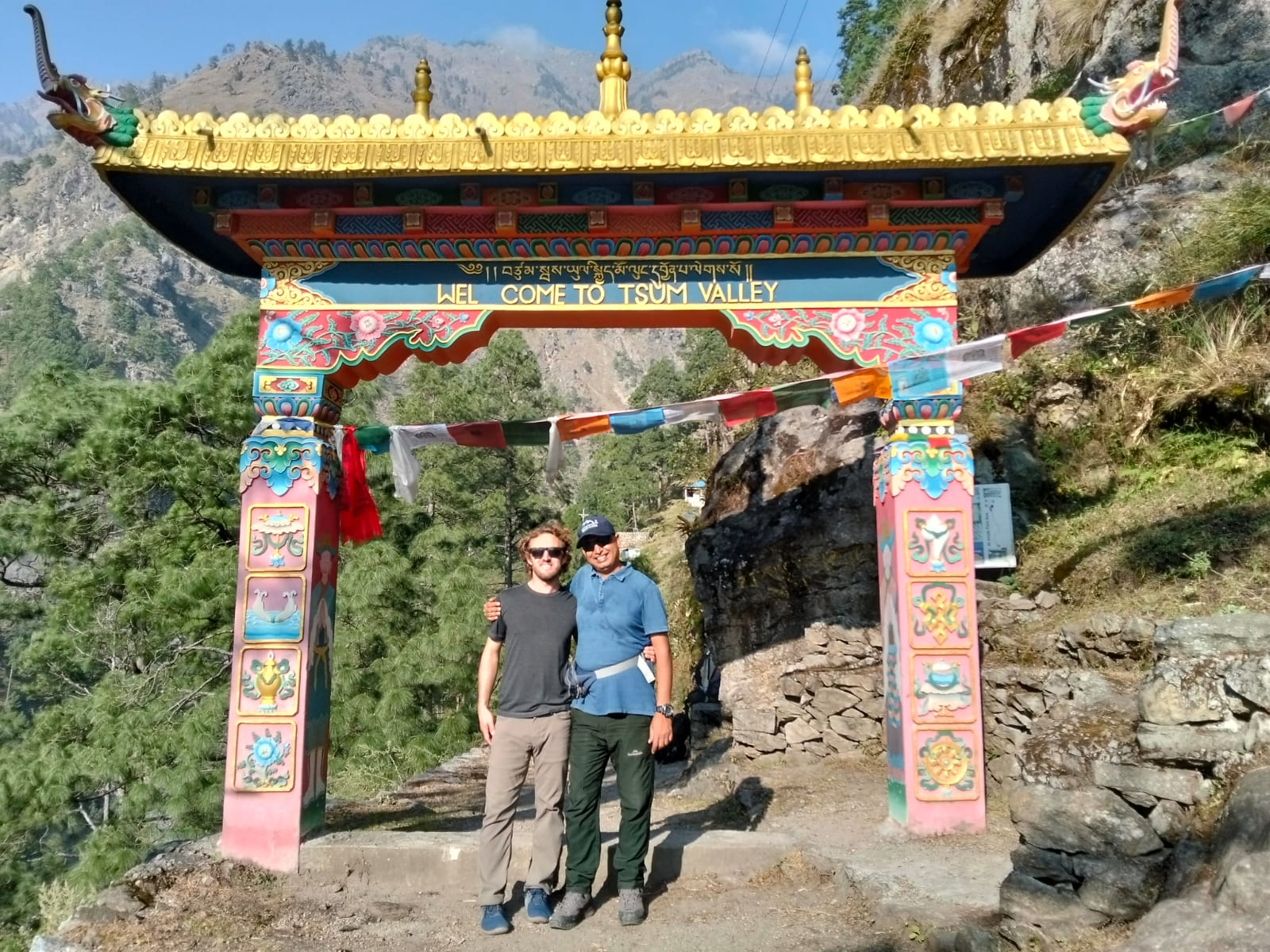
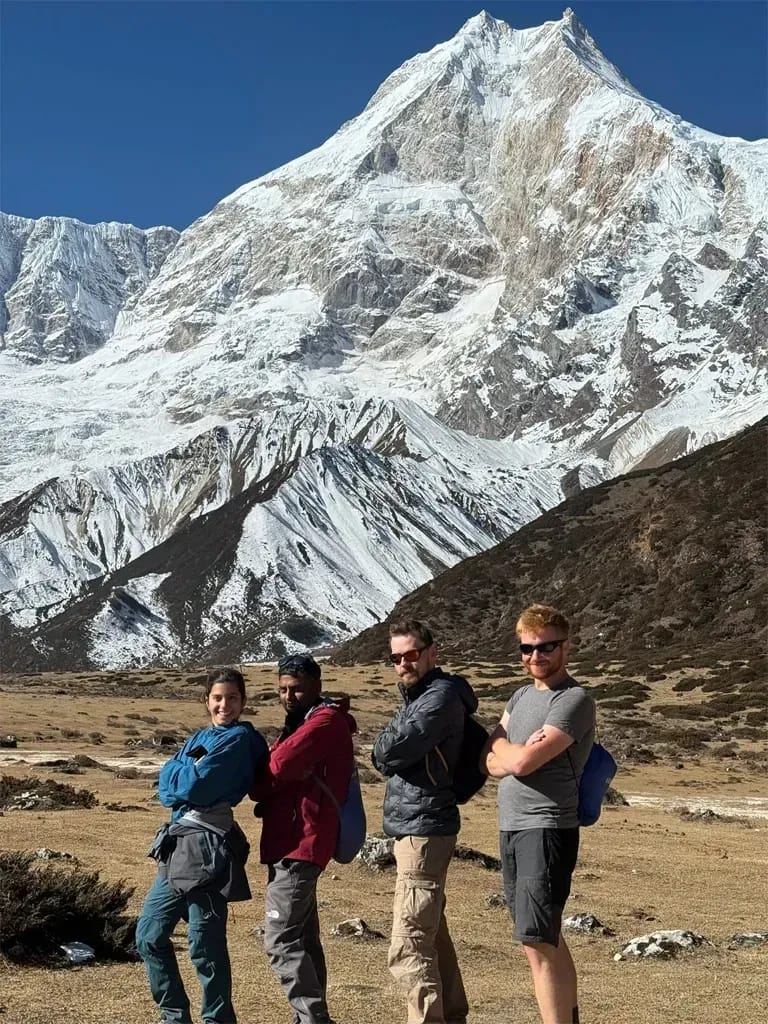
Lower Manaslu Trek Overview
Lower Manaslu Trek has spectacular natural splendor, including terraced farms, snow-capped mountains, and lush green valleys. Manaslu (8,163 meters), Ganesh Himal, and Sringi Himal are just a few of the magnificent Himalayan peaks that can be seen during the Lower Manaslu Trek. Lower Manaslu Trek is recently discovered by Trekking Agency Association for Nepal (TAAN) in association with Nepal government for the adventure trekkers. Trekking to Lower Manaslu is one of the best destinations to explore historical, religious, cultural, ecological, and archaeological importance place. This trek is a fully supported home stay to perceive more in depth about locals and remarkable information of Nepal country side people of Lower Manaslu.
Lower Manaslu Trek Located In the western section of Nepal in Gorkha District. It is renowned for its stunning natural surroundings, varied culture, and closeness to the Manaslu restricted area. The Manaslu Conservation Area and the Manaslu Circuit Trek are both a component of the greater Manaslu area.
Lower Manaslu trek located Manaslu Conservation Area that mean the conservation area lies in this trek route which protected area was created to safeguard the region’s distinctive flora, wildlife, and cultural history. The 1,663 square kilometer protected area provides chances for outdoor hikes, bird watching, and wildlife viewing.
Lower Manaslu trek is very much suitable for beginner hikers and cultural lovers, Lower Manaslu trek is a well-liked location. The Manaslu Circuit trip takes you through scenic towns, thick woods, and High Mountain passes. It is a difficult yet rewarding journey. The Lower Manaslu hike provides a substitute for the busier Annapurna and Everest areas.
A variety of ethnic populations, including Gurungs, Magars, Tamangs, and Brahmins are the ethnic highlights of the Lower Manaslu trek Area as well as call Lower Manaslu home. Those communities maintain their distinctive customs, holidays, and ways of life. They have a rich cultural legacy. Tourists may take advantage of the friendly welcome of the inhabitants and discover their traditions and customs. It’s also reliable to say the Lower Manaslu area is Cultural Heritage.
One of the highlights of the Lower Manaslu Trek, Barpak village which is a location of exceptional beauty and tenacity. This lovely settlement, perched at a height of 1,900 meters, is famed for its breathtaking views of the neighboring Himalayan peaks, especially the magnificent Manaslu.
As the epicenter of the terrible 2015 earthquake that caused substantial loss and devastation, Barpak has enormous historical significance. However, the village’s efforts to reconstruct have displayed incredible fortitude and tenacity. Barpak radiates a feeling of cultural richness and communal spirit with its classic stone homes and kind locals. It draws explorers and environment lovers from all over the world by functioning as a gateway to several hiking routes. Barpak is an intriguing place because of its stunning landscapes and unyielding attitude.
he Lower Manaslu region is dotted with picturesque valleys that are a feast for the eyes. As you trek through the lush valleys, you’ll be surrounded by terraced fields, vibrant green forests, and meandering rivers. These valleys provide a peaceful and serene atmosphere, perfect for immersing yourself in nature.
To be a local trekking operator, Touch The Himalaya Designed the Lower Manaslu Trek route starting from Baseri Village where bumpy road connected from Kathmandu, we travel by public bus or private vehicle and end the trek via the town of Gorkha. From where Nepal’s capital city of Kathmandu, is about 200 Kilometer (140 miles) distance, Gorkha is accessed by nice road.
Flora and Fauna:
The Lower Manaslu Trek lies within the Manaslu Conservation Area, which is rich in biodiversity. The region is home to various rare and endangered wildlife species, including snow leopards, Himalayan musk deer, and red pandas. You may spot some of these fascinating creatures during your trek.
The Lower Manaslu Trek showcases a variety of landscapes, each with its own unique charm. From lower elevation areas with terraced fields and traditional villages to alpine meadows, dense forests of rhododendron and bamboo, and glacial moraines, the ever-changing landscapes offer a constant sense of wonder and beauty.
During the spring season (March to April), the Lower Manaslu region bursts into vibrant colors as the rhododendron forests come alive. The blooming flowers create a magical atmosphere, with hues ranging from deep red to pink and white. Walking through these dense forests is a truly enchanting experience.
Cultural Exploration:
Lower Manaslu is inhabited by various ethnic communities, including Gurungs, Tamangs, and Brahmins. Along the trek, you’ll encounter charming villages with traditional houses, monasteries, and prayer flags. You’ll have the chance to interact with the friendly locals, experience their traditional lifestyles, and witness their unique customs and traditions.
The people in the Lower Manaslu region are known for their warm hospitality and welcoming nature. The teahouses and lodges along the trek provide comfortable accommodation and hearty meals. You’ll feel well taken care of and will have the opportunity to connect with fellow trekkers and locals, creating lasting memories and friendships.
Difficulty Level:
The Lower Manaslu Trek is considered an easy trek. It involves ascending and descending trails, including steep sections and the crossing of some suspension bridges. Basic trekking experience and a good level of fitness are recommended.
Climate:
The climate of the lower Manaslu trek region is characterized by mild temperatures and occasional rainfall. During the trek, which typically takes place from March to May, the weather gradually transitions from the colder winter months to a milder and more comfortable environment. In the lower altitudes, temperatures range from around 10 to 20 degrees Celsius (50 to 68 degrees Fahrenheit) during the daytime, while dropping to approximately 5 to 10 degrees Celsius (41 to 50 degrees Fahrenheit) at night. Rainfall can occur sporadically, but overall, the climate is pleasant, allowing for enjoyable trekking amidst beautiful landscapes adorned with blooming rhododendron forests and vibrant greenery.
Accommodation:
To accommodate the travelers, the Lower Manaslu region offers a variety of lodging alternatives, including guesthouses, tea houses, and camping grounds, although the infrastructure may not be as advanced as other trekking destinations that are more well-known, there are still enough of amenities to guarantee a comfortable stay.
During the Lower Manaslu Trek, we arrange accommodation in teahouses along the trail. Teahouses are cozy and comfortable lodges that offer a warm and welcoming atmosphere after a day of trekking. Our teahouses provide clean and well-maintained rooms, typically with twin beds or dormitory-style arrangements. While basic, they offer a peaceful retreat where you can rest and rejuvenate amidst the tranquil surroundings of the Manaslu region.
Meals:
Touch the Himalayas takes care of your meals during the trek. Our teahouses serve delicious and nourishing meals to keep you energized throughout the journey. You can expect a variety of local and international dishes, including Nepali cuisine like dal bhat (rice and lentil soup), momo (dumplings), and chapati (flatbread), as well as western-style options like pasta, eggs, and sandwiches. We understand the importance of maintaining high hygiene standards, and our experienced cooks prepare all meals with utmost care and attention.
Equipments:
On the Lower Manaslu Trek, it is crucial to have the right equipment to ensure a safe and comfortable journey. Essential items include sturdy trekking boots with ankle support, moisture-wicking and quick-drying base layers, warm layers such as fleece jackets and thermal clothing, waterproof and windproof outer shell jackets and pants, a warm hat and gloves, sunglasses with UV protection, a sun hat, sunscreen, a reliable backpack with a rain cover, a water bottle or hydration bladder, trekking poles for stability, a sleeping bag suitable for lower temperatures, a first aid kit including medication for altitude sickness, water purification tablets or a water filter, snacks and energy bars, and a camera to capture the stunning landscapes.
Guide:
To ensure your safety and enhance your trekking experience, we provide experienced and knowledgeable guides who accompany you throughout the Lower Manaslu Trek. Our guides are well-versed in the local culture, geography, and trekking routes. They offer valuable insights into the region’s history, flora, fauna, and traditions, enriching your journey. With their expertise, you can navigate the trail with confidence while immersing yourself in the beauty of the Manaslu region.
Insurance:
Safety is our utmost priority. We, touch the himalays highly recommend that all trekkers have travel insurance that covers high-altitude trekking. This insurance should include provisions for emergency medical evacuation, trip cancellation, and personal liability coverage. Our team can guide you in understanding the specific insurance requirements and help ensure that your policy adequately covers the Lower Manaslu Trek. Your safety and well-being are of utmost importance to us.
Permits:
As part of our services, we assist you in obtaining the necessary permits for the Lower Manaslu Trek. This typically includes the Manaslu Conservation Area Permit (MCAP) and TIMS (Trekkers’ Information Management System) card. These permits are essential for trekking in the region and help support conservation efforts. We take care of the paperwork and ensure that you have the required permits before commencing the trek.
At Touch the Himalayas, we strive to provide exceptional facilities for your Lower Manaslu Trek. From comfortable accommodation and delicious meals to experienced guides, insurance guidance, and necessary permits, we aim to make your trekking experience unforgettable. Our dedicated team is committed to your satisfaction, ensuring a safe and enjoyable journey through the picturesque landscapes of the Manaslu region.