

trek guide
Local Guides and Porters for the Kanchenjunga Trek
Explore the importance of hiring local guides and porters for the Kanchenjunga Trek. Learn how local mountain knowledge, trekking experience, and community connections help make your journey safer, more comfortable, and more meaningful.
On this page
- 1.1. Why Hire a Local Guide for the Kanchenjunga Trek?
- 2.2. The Importance of Local Porters on the Kanchenjunga Trek
- 3.3. Experience the Local Culture of the Kanchenjunga Region
- 4.4. Local Guides and Different Kanchenjunga Trekking Routes
- 5.5. Why Trek with Kanchenjunga Guides Nepal?
- 6.6. Responsible Trekking and Supporting Local Communities
- 7.7. What Should You Consider When Hiring a Kanchenjunga Trek Guide?
- 8.8. Explore Kanchenjunga with Local Experts
Local Guides and Porters for the Kanchenjunga Trek: Why Local Experience Matters
The Kanchenjunga Trek is one of Nepal's most remote and rewarding trekking adventures. Located in the eastern Himalayas, the region is known for its dramatic mountain landscapes, traditional villages, high-altitude valleys, forests, glaciers, and long walking trails.
Unlike some of Nepal's more developed trekking destinations, the Kanchenjunga region has limited infrastructure and requires careful preparation. Having the right trekking team is therefore an important part of planning your journey.
Hiring experienced local guides and porters can make a significant difference. They bring practical knowledge of the trails, familiarity with mountain communities, and an understanding of the challenges that come with trekking in this remote region.
At Kanchenjunga Guides Nepal, we are a local trekking team connected to the region. We believe that trekking with local people offers more than logistical support. It gives visitors an opportunity to experience Kanchenjunga through the knowledge and perspectives of people who know these mountains.
1. Why Hire a Local Guide for the Kanchenjunga Trek?
A trekking guide does much more than lead the way. In a remote mountain region like Kanchenjunga, a guide helps coordinate the daily journey, communicate with local communities, understand changing trail conditions, and support trekkers throughout the expedition.
Firsthand Knowledge of the Kanchenjunga Region
Local guides are familiar with the villages, walking trails, rivers, forests, mountain valleys, and accommodation along the trekking routes.
From the lower trail sections around Taplejung and Sekathum to the higher settlements of Ghunsa, Kambachen, and Lhonak, local knowledge helps trekkers understand the places they pass through.
This familiarity is particularly useful when trail conditions change due to rainfall, snowfall, landslides, or other seasonal factors.
Understanding Weather and Trail Conditions
Mountain weather can change quickly, especially at higher elevations. A clear morning does not necessarily mean that conditions will remain the same throughout the day.
Local guides can help interpret weather conditions, communicate with people in nearby villages, and assess the situation before continuing towards more remote sections.
This knowledge is particularly important when approaching higher destinations such as Pangpema, Kanchenjunga South Base Camp, and the Sele La area.
Altitude Awareness and Trekking Pace
The Kanchenjunga trek involves considerable elevation gain, with Pangpema, the North Base Camp viewpoint, at approximately 5,140 metres.
A knowledgeable guide helps maintain a suitable walking pace, plans appropriate acclimatization days, and pays attention to how trekkers are feeling at different elevations.
Although a guide cannot eliminate altitude-related risks, proper planning, awareness, and timely decisions are important parts of a responsible high-altitude trek.
2. The Importance of Local Porters on the Kanchenjunga Trek
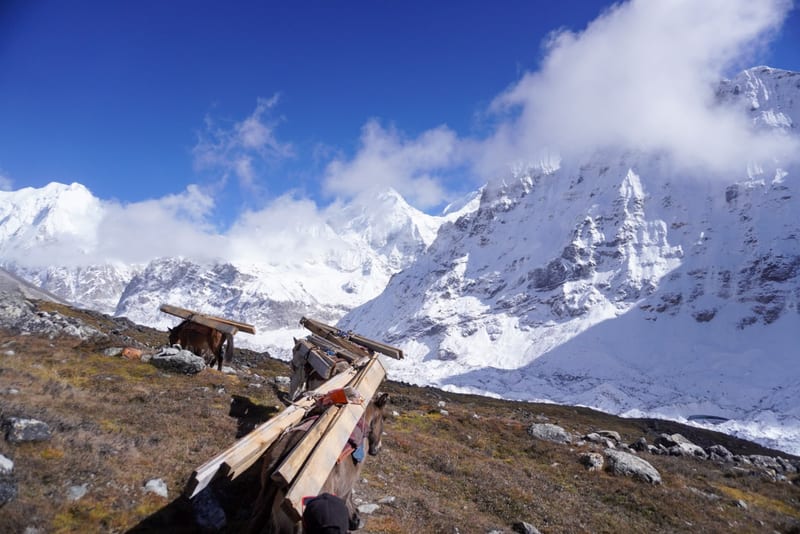
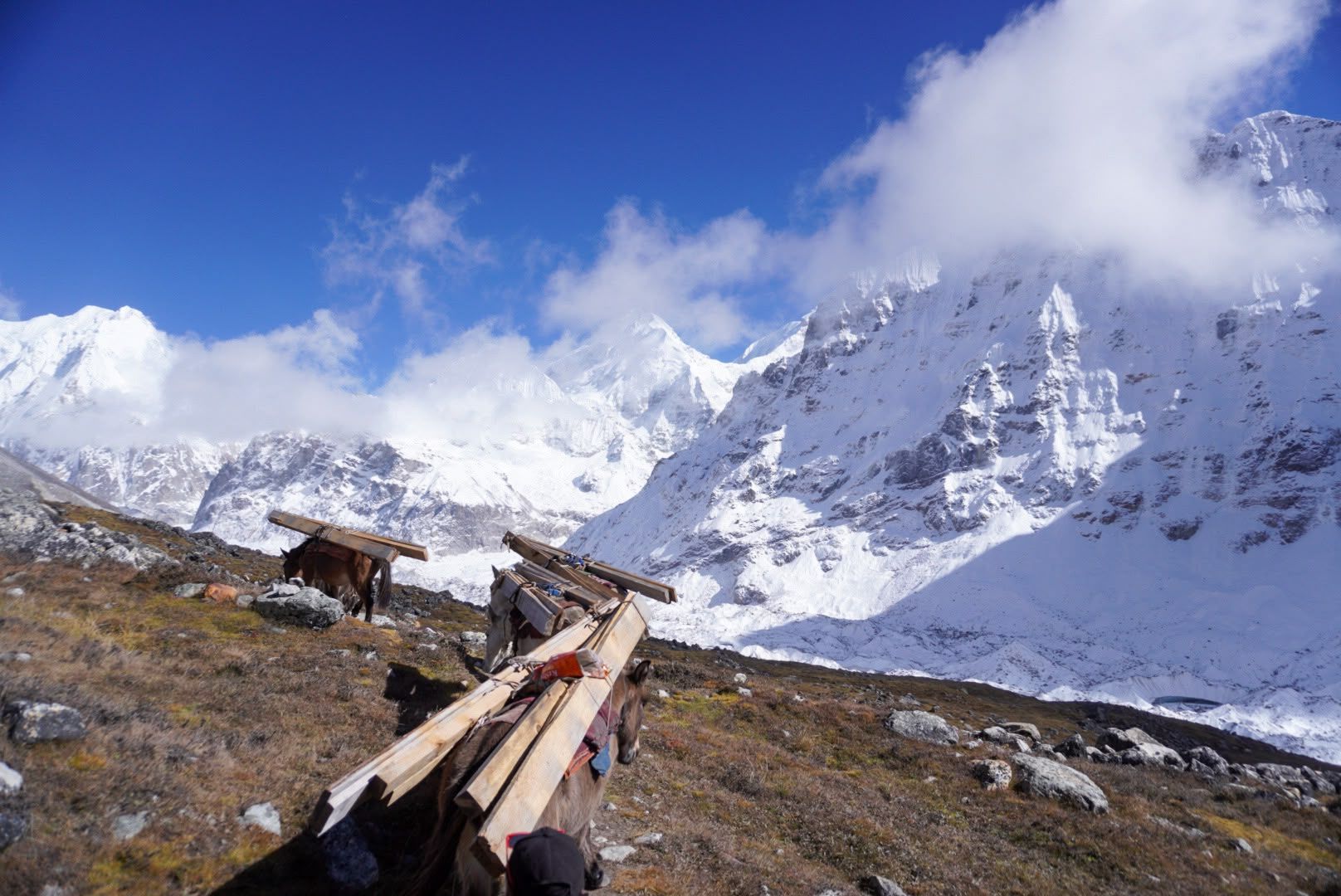
Porters are an important part of trekking operations in the Kanchenjunga region. The journey involves several days of walking through remote mountain terrain, often far from road access and major settlements.
Porters help transport trekking luggage, food supplies, and group equipment between overnight stops. Their support allows trekkers to walk with lighter daypacks and enjoy the journey more comfortably.
Supporting Local Families and Mountain Communities
Hiring local porters creates employment opportunities for people from mountain communities.
In remote villages where employment options can be limited, trekking tourism provides an important source of seasonal income.
By choosing a local trekking operator and hiring local staff, trekkers can contribute to the livelihoods of people who live in the destination region.
Familiarity with Mountain Terrain
Porters working in the Kanchenjunga region are familiar with the practical challenges of mountain trails, including rocky paths, steep ascents, forest sections, and high-altitude walking conditions.
Their contribution is particularly important on longer trekking journeys where equipment and supplies need to be transported between remote settlements.
Porter Welfare and Responsible Trekking
The welfare of porters should always be an important consideration when choosing a trekking company.
Responsible trekking means paying attention to appropriate load management, suitable clothing and equipment, reasonable working conditions, proper accommodation, and fair treatment.
At Kanchenjunga Guides Nepal, we believe that the people supporting your trek deserve the same consideration and respect as the trekkers themselves.
Enjoying the Trek with a Lighter Backpack
Carrying a heavy backpack for several hours every day can make a challenging trek even more demanding.
With porter support, trekkers can carry a smaller daypack containing essentials such as drinking water, personal items, a camera, and additional clothing.
This allows you to concentrate more on the mountain scenery, village experiences, and walking journey.
3. Experience the Local Culture of the Kanchenjunga Region
The Kanchenjunga region is not only about mountains and trekking trails. It is also home to communities with distinctive cultures, traditions, architecture, food, and ways of life.
Villages such as Ghunsa and other settlements along the trekking routes offer opportunities to understand everyday life in the eastern Himalayas.
Understanding Village Life and Local Traditions
A local guide can help introduce trekkers to the communities they encounter along the way.
You may learn about traditional houses, monasteries, local customs, festivals, food, and the relationship between mountain communities and their natural surroundings.
Rather than simply passing through a village, travelling with a local guide allows you to appreciate more of the region's cultural character.
Stories and Knowledge from the Mountains
The mountains surrounding Kanchenjunga have been part of local life for generations.
Local guides can share their personal experiences, explain the surrounding landscapes, and introduce visitors to places that have cultural and geographical importance to the region.
These conversations often become some of the most memorable parts of a trekking journey.
4. Local Guides and Different Kanchenjunga Trekking Routes
The Kanchenjunga region offers several trekking options, from shorter journeys to longer expeditions combining the northern and southern sides of the mountain.
Choosing the right route depends on your available time, fitness, trekking experience, and interests.
Kanchenjunga North Base Camp Trek
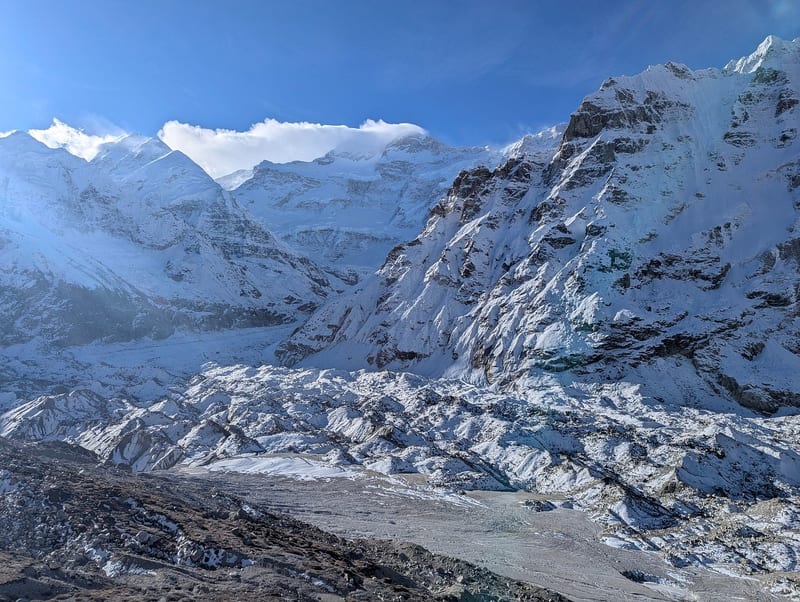
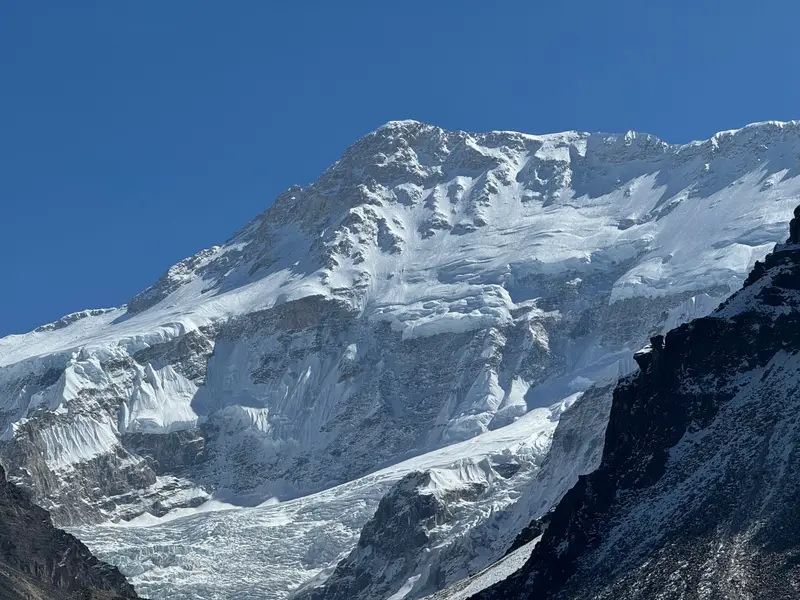
The North Base Camp Trek takes you towards Pangpema, where trekkers experience impressive views of Mount Kanchenjunga and the surrounding Himalayan landscape.
The route passes through villages and settlements including Ghunsa, Kambachen, and Lhonak before reaching the high-altitude region around Pangpema.
Kanchenjunga South Base Camp Trek
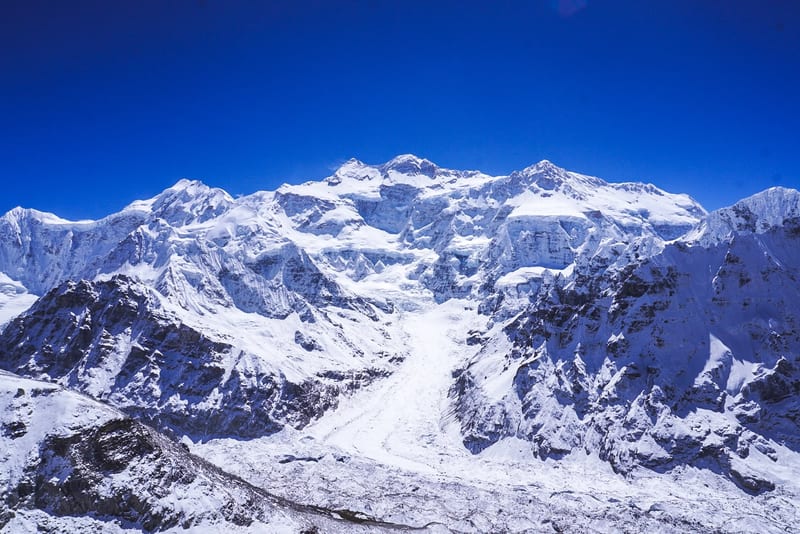
The South Base Camp Trek offers a different perspective of the mountain. The journey passes through forests, traditional settlements, and beautiful mountain landscapes before reaching the Oktang viewpoint area.
Kanchenjunga North and South Base Camp Trek
For trekkers wanting a more comprehensive experience, the North and South Base Camp Trek combines both sides of the Kanchenjunga region.
It is a longer and more demanding adventure, requiring careful itinerary planning, acclimatization, and coordination.
Kanchenjunga Circuit and High Pass Treks
For experienced trekkers, the Kanchenjunga Circuit and High Pass routes offer additional challenges through remote mountain valleys and high-altitude sections, including the Sele La area.
Our local team can help you understand the differences between these routes and choose an itinerary that suits your travel plans.
5. Why Trek with Kanchenjunga Guides Nepal?
Choosing a trekking company is an important decision, particularly when travelling to a remote destination such as Kanchenjunga.
At Kanchenjunga Guides Nepal, our approach is built around local knowledge, direct communication, and personal trekking service.
We Are From the Kanchenjunga Region
Kanchenjunga is our home region, not simply a trekking destination we operate in.
Our connection with the area gives us an understanding of its villages, landscapes, communities, and the practical realities of organizing treks in eastern Nepal.
We want visitors to experience the region beyond its famous mountain views.
Direct Communication with a Local Trekking Team
When you plan your trek with us, you can communicate directly with the local team responsible for organizing your journey.
You can discuss your preferred route, travel dates, transportation, accommodation, permits, guides, porters, and other arrangements before confirming your trip.
Experienced Guides and Trekking Staff
Our trekking team works together to support visitors throughout the journey, from the beginning of the trek to the return journey.
We understand the importance of coordination, preparation, and communication when travelling through remote mountain areas.
Private, Group, and Customized Treks
Every traveller has different expectations. Some prefer a private trekking experience, while others enjoy travelling with a small group.
We offer different Kanchenjunga trekking itineraries and can discuss customized arrangements according to your schedule, interests, and group requirements.
6. Responsible Trekking and Supporting Local Communities
Trekking in the Kanchenjunga region comes with a responsibility to respect the environment and the people who call these mountains home.
Choosing local guides, porters, accommodation, and other local services helps distribute tourism income within the destination communities.
Trekkers can also contribute by respecting local traditions, following photography guidelines, avoiding unnecessary plastic waste, and treating mountain communities with consideration.
Responsible trekking is not only about protecting the natural environment. It is also about making sure that tourism benefits the people and communities who make these journeys possible.
7. What Should You Consider When Hiring a Kanchenjunga Trek Guide?
Before booking your trek, take time to understand who will organize and accompany your journey.
Here are a few important things to consider:
- Local experience: Ask whether your guide or trekking company has genuine experience in the Kanchenjunga region.
- Route knowledge: Understand whether the team is familiar with your planned itinerary, accommodation stops, and high-altitude sections.
- Altitude awareness: Ask how acclimatization and altitude-related concerns are handled during the trek.
- Porter welfare: Understand the company's approach to porter loads, equipment, accommodation, and working conditions.
- Communication: Choose a company that clearly explains the itinerary, package inclusions, permits, transportation, and additional expenses.
- Emergency preparation: Ask about communication arrangements and emergency procedures in remote sections of the trek.
Taking time to discuss these details before departure can help you prepare for a more comfortable and well-organized journey.
8. Explore Kanchenjunga with Local Experts
The Kanchenjunga Trek is an opportunity to experience one of Nepal's most remote and beautiful mountain regions. Its trails, traditional villages, high mountain landscapes, and local communities make the journey special.
Travelling with local guides and porters allows you to experience this region with people who understand its landscape and way of life.
At Kanchenjunga Guides Nepal, we are proud to be connected to this part of eastern Nepal. Our aim is to share the region with visitors while supporting responsible trekking and local communities.
Whether you are considering the Kanchenjunga North Base Camp Trek, South Base Camp Trek, or the complete North and South Base Camp journey, explore our available Kanchenjunga Trek Packages to find an itinerary that matches your plans.
You can also contact our team directly to discuss your preferred route, group size, travel dates, and trekking arrangements.
Kanchenjunga Guides Nepal — Local Experts from the Kanchenjunga Region.
Plan with local guides
Ready to walk the Kanchenjunga trail?
Tell us your dates and pace. We’ll sort permits, guides and a route that fits — straight from the people who live here.
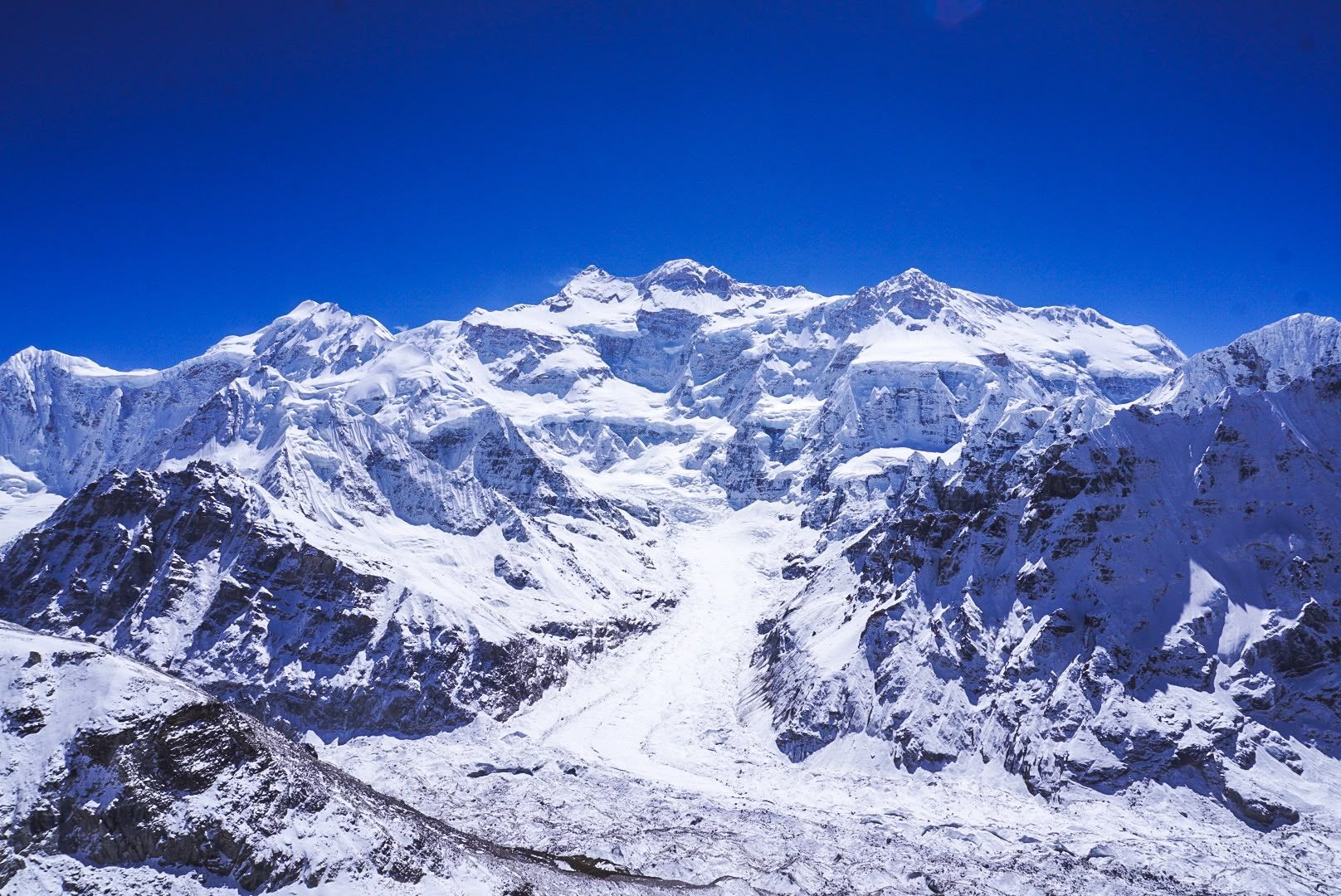
Keep reading
Other Blogs
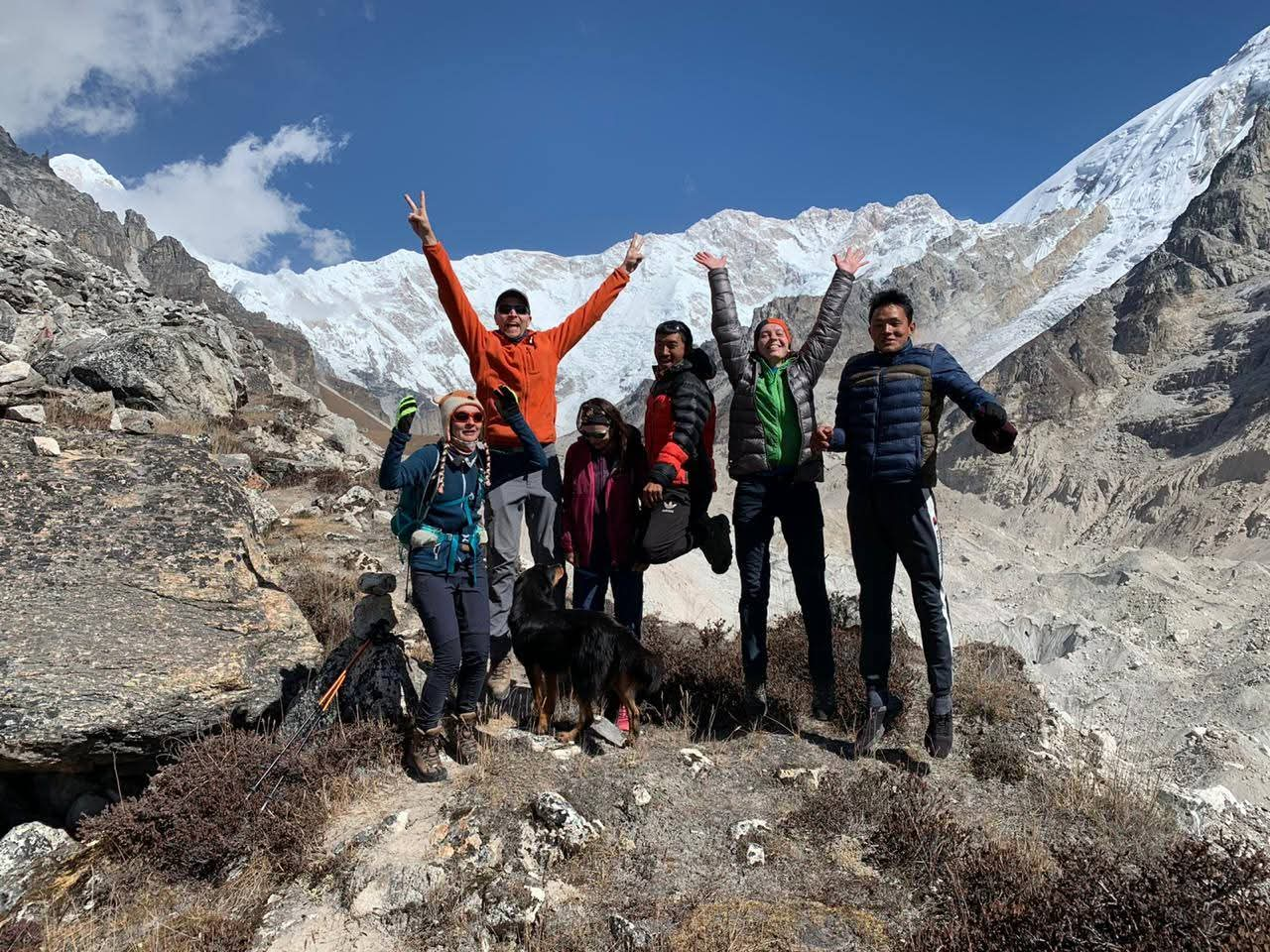
Kanchenjunga Experiences
Ritesh KhadkaSeptember 7, 20264 min read
The Kanchenjunga trek is more than a journey through the Himalayas—it is an experience of stepping into one of Nepal’s most remote, peaceful, and spectacular mountain regions. Far from the busy trekking routes of Everest and Annapurna, the Kanchenjunga region offers pristine forests.
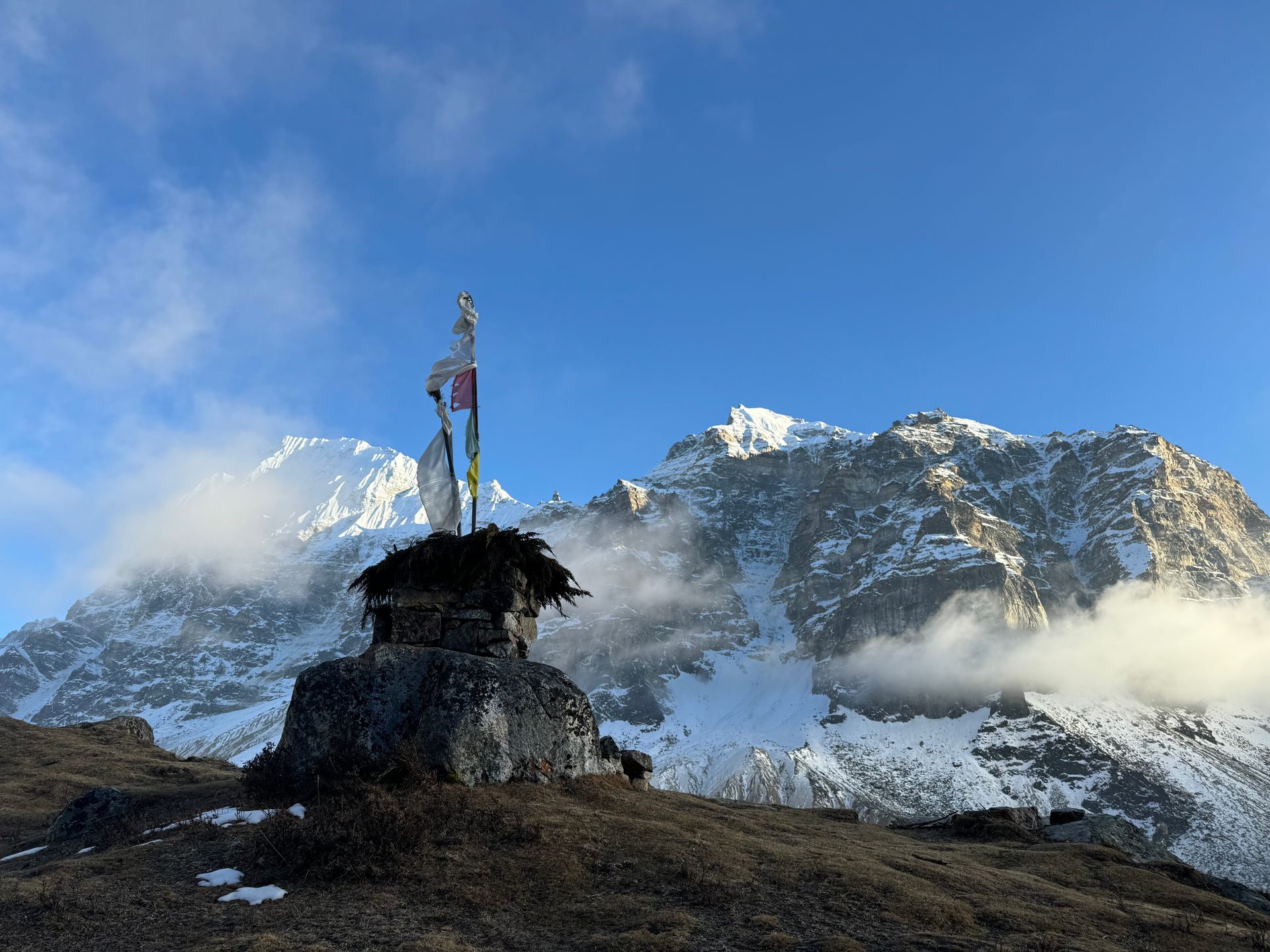
Kanchenjunga Base Camp Trek Cost - Complete Budget Guide
KGNAugust 31, 20265 min read
Budget for more than just the trek package. Permits, transportation, meals, accommodation, guide and porter services, insurance, personal expenses, and an emergency reserve should all be considered when planning your Kanchenjunga Trek budget.
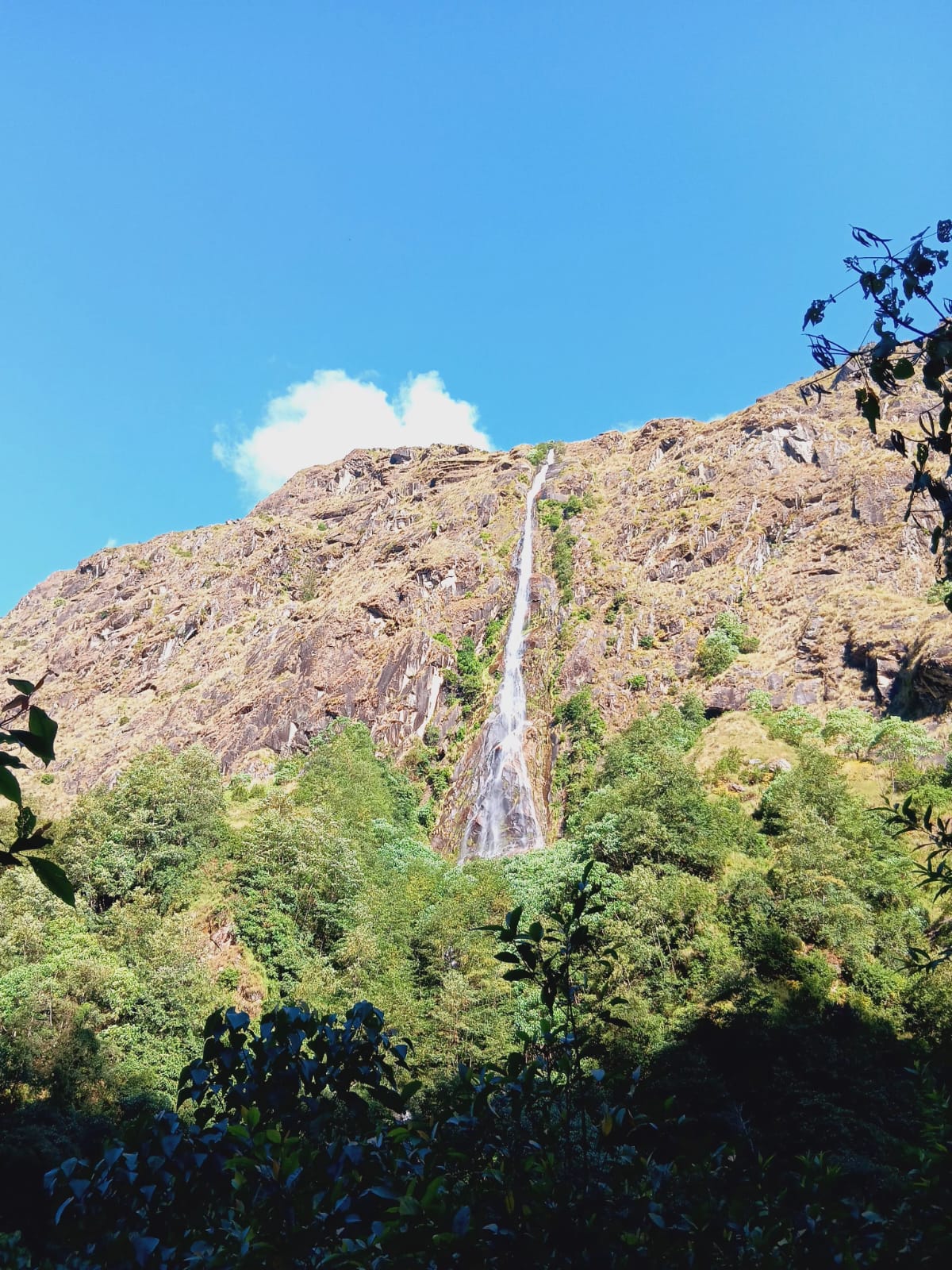
Find a Trekking Partner for the Kanchenjunga Trek – Join Fellow Trekkers
Madan NeupaneNovember 6, 20266 min read
Planning the Kanchenjunga Trek alone? Connect with like-minded trekkers, find suitable departure dates, share trekking costs, and explore the remote Himalayas together with Kanchenjunga Guides.