

gear packing
Kanchenjunga Trek Packing List - What to Pack for the Himalayas
Packing for the Kanchenjunga Trek requires careful planning. From warm lower valleys to cold, high-altitude landscapes, you’ll face changing weather and challenging terrain. The right clothing, trekking gear, and essentials can make your Himalayan adventure safer, more comfortable, and more easy.
On this page
- 1.Kanchenjunga Trek Packing List at a Glance
- 2.1. Clothing and Layering System
- 3.2. Trekking Footwear
- 4.3. Backpacks and Luggage
- 5.4. Sleeping Gear and Trekking Equipment
- 6.5. Personal Hygiene and Toiletries
- 7.6. First Aid and Personal Medication
- 8.7. Documents and Travel Essentials
- 9.8. Electronics and Accessories
- 10.9. What to Pack for Different Trekking Seasons
- 11.10. What Does Your Trekking Agency Provide?
- 12.11. Packing Tips: Porter Luggage and Backpack Weight
- 13.12. What Not to Pack for the Kanchenjunga Trek
- 14.13. Frequently Asked Questions About the Kanchenjunga Trek Packing List
- What is the most important item to pack for the Kanchenjunga Trek?
- Do I need a sleeping bag for the Kanchenjunga Trek?
- How big should my backpack be?
- Can I rent trekking equipment in Kathmandu?
- Do I need special equipment for the Kanchenjunga Base Camps?
- Should I bring cash on the Kanchenjunga Trek?
- Is the Kanchenjunga Trek suitable for beginners?
- 15.Final Thoughts: Prepare Properly for Your Kanchenjunga Adventure
Kanchenjunga Trek Packing List: What to Pack for the Himalayas
Preparing for the Kanchenjunga Trek requires more than packing ordinary hiking clothes. This remote trekking region in eastern Nepal takes you through warm lower valleys, forest trails, traditional mountain villages, high-altitude landscapes, and cold alpine terrain.
Temperatures and weather conditions can change significantly as you gain elevation. You may enjoy warm walking conditions in the lower villages but experience freezing temperatures, strong winds, and snow at higher elevations.
Having the right clothing, footwear, trekking equipment, and personal essentials will make your journey more comfortable and help you prepare for changing mountain conditions.
This Kanchenjunga Trek packing list explains what to bring, how much clothing you may need, which equipment is essential, and what you should consider before leaving Kathmandu.
Kanchenjunga Trek Packing List at a Glance
Before looking at each category in detail, here is a quick overview of the essential equipment and personal belongings you should prepare.
Category | Essential items |
|---|---|
Clothing | Thermal layers, trekking shirts, trousers, fleece, down jacket |
Footwear | Broken-in trekking boots, trekking socks, camp shoes |
Bags | Daypack, main duffel bag, waterproof covers |
Trekking equipment | Trekking poles, headlamp, water bottles |
Sleeping gear | Suitable sleeping bag and liner |
Personal essentials | Toiletries, sunscreen, sunglasses |
Medical supplies | Personal medication, blister care, basic first aid |
Electronics | Phone, power bank, charging cables |
Documents | Passport, permits, insurance, emergency contacts |
For a more detailed item-by-item checklist, visit our Kanchenjunga Trek Packing Checklist.
1. Clothing and Layering System
Clothing is one of the most important parts of preparing for the Kanchenjunga Trek. Instead of carrying separate outfits for every day, focus on lightweight layers that you can combine depending on the temperature and weather.
Base Layers
Base layers help regulate body temperature and keep you comfortable during long walking days.
Recommended items:
- 2–3 moisture-wicking trekking T-shirts
- 1–2 long-sleeved trekking shirts
- 1–2 thermal base-layer tops
- 1–2 thermal base-layer bottoms
- 4–6 pairs of underwear
Choose synthetic or merino wool materials that dry relatively quickly. Avoid relying on heavy cotton clothing because it retains moisture and takes longer to dry.
Mid-Layers
Mid-layers provide insulation when temperatures become colder, particularly during mornings, evenings, and higher-altitude sections.
Recommended items:
- 1 fleece jacket or pullover
- 1 lightweight insulated jacket
- 1 comfortable pair of evening trousers
A fleece jacket is useful for everyday warmth, while an insulated jacket provides additional protection when temperatures drop.
Outer Layers
Weather in the Kanchenjunga region can change quickly. Waterproof and wind-resistant clothing is particularly important during exposed sections and rainy conditions.
Recommended items:
- 1 waterproof and windproof trekking jacket
- 1 pair of waterproof trekking trousers
- 1 backpack rain cover
A reliable outer shell helps protect your inner layers from rain, snow, and strong mountain winds.
Warm Clothing and Accessories
Cold temperatures become more noticeable at higher elevations, especially around Lhonak, Pangpema, and high mountain passes on applicable itineraries.
Bring:
- 1 warm down or insulated jacket
- 1 woollen or fleece hat
- 1 pair of insulated gloves
- 1 pair of lightweight trekking gloves
- 1 buff or neck warmer
- 3–4 pairs of warm trekking socks
Keep your warmest clothing accessible rather than buried at the bottom of your luggage.
2. Trekking Footwear
Good footwear is essential for the long walking days and varied terrain of the Kanchenjunga region.
You will encounter forest paths, rocky sections, uneven trails, muddy areas, and potentially snowy or icy conditions depending on your route and season.
We recommend bringing:
- 1 pair of comfortable, broken-in trekking boots
- 3–4 pairs of trekking socks
- 1–2 pairs of lightweight liner socks
- 1 pair of sandals or comfortable camp shoes
- 1 small pack of blister protection patches
Your main trekking boots should provide good grip, suitable support, and protection against wet conditions.
Important: Never begin a long Himalayan trek with brand-new boots. Wear them during several training walks before your departure to reduce the risk of blisters and discomfort.
3. Backpacks and Luggage
Your luggage arrangement depends on whether you are trekking independently or using a porter.
Daypack
A daypack of approximately 25–35 litres is suitable for many trekkers using porter services.
Keep the following items inside:
- Water bottles
- Snacks
- Rain jacket
- Sunscreen
- Sunglasses
- Camera or phone
- Personal medication
- Headlamp
- Important documents
- Extra warm layer
You should be able to access these items without opening your main luggage.
Main Duffel Bag
If you are trekking with a porter, your main belongings can be packed separately in a duffel bag.
Use it for:
- Spare clothing
- Thermal layers
- Sleeping equipment
- Toiletries
- Evening clothes
- Other personal belongings
Use waterproof bags or a duffel liner to protect your belongings from moisture.
Without a Porter
If you plan to carry everything yourself, you will need a larger trekking backpack with sufficient capacity for your clothing, sleeping gear, food, and other equipment.
Consider the total weight carefully before departure.
4. Sleeping Gear and Trekking Equipment
The Kanchenjunga region is remote, and sleeping conditions become colder as you reach higher elevations.
Depending on your selected itinerary and accommodation arrangements, you may need:
- 1 suitable cold-weather sleeping bag
- 1 sleeping bag liner
- 1 trekking pillow (optional)
- 1 headlamp with spare batteries
- 1 pair of trekking poles
- 1 water bottle or hydration system
- Water purification tablets or a suitable filter
- 1 quick-drying towel
- Dry bags for important belongings
A sleeping bag suitable for the expected temperatures is particularly important. Check its temperature rating and confirm whether sleeping equipment is included in your trekking package before purchasing or renting one.
Trekking poles are useful for maintaining balance on steep ascents, descents, and uneven trails.
5. Personal Hygiene and Toiletries
Basic hygiene supplies will make your trek more comfortable, particularly when travelling through remote mountain villages.
Pack:
- Toothbrush and toothpaste
- Biodegradable soap
- Shampoo in a small container
- Quick-drying towel
- Hand sanitizer
- Wet wipes
- Toilet paper
- Sunscreen (SPF 30–50+)
- Lip balm with sun protection
- Moisturizer
- Personal hygiene products
- Small nail clipper
Carry travel-sized products rather than full-size bottles to reduce unnecessary weight.
6. First Aid and Personal Medication
Although your trekking guide may carry a group first-aid kit, you should bring your own essential medication and personal medical supplies.
Recommended items include:
- Personal prescription medication
- Blister plasters
- Basic wound dressings
- Antiseptic wipes
- Oral rehydration salts
- Pain relief medication suitable for you
- Any medication recommended by your healthcare professional
Discuss altitude-related health preparation with a qualified medical professional before travelling.
Your guide can assist with monitoring and arranging help if you experience health problems, but medication and emergency medical decisions should not be left until you reach the mountains.
7. Documents and Travel Essentials
The Kanchenjunga region is a restricted trekking area, so make sure your travel documents and trekking arrangements are organized before starting your journey.
Carry:
- Valid passport
- Passport photographs if required
- Copies of important travel documents
- Trekking permits and relevant documentation
- Travel insurance documents
- Emergency contact information
- Nepalese cash
- Flight and accommodation details
Keep your original documents in a waterproof pouch and maintain digital copies as a backup.
Make sure your travel insurance covers high-altitude trekking and emergency evacuation appropriate to your itinerary.
8. Electronics and Accessories
Electricity and charging facilities can be limited in remote mountain villages. Charging availability may vary depending on the accommodation and location.
Useful electronics include:
- Mobile phone
- Power bank
- Charging cables
- Camera
- Spare camera batteries
- Headlamp
- Universal travel adapter
- Waterproof phone pouch
Keep electronics and spare batteries protected from moisture and cold.
Do not rely entirely on mobile network coverage throughout the trek. Keep important information and emergency contacts available offline.
9. What to Pack for Different Trekking Seasons
The Kanchenjunga region experiences different weather conditions throughout the year. Your packing list should reflect your departure season and the elevations covered by your itinerary.
Spring (March to May)
Spring is a popular season for trekking in the Kanchenjunga region.
Lower sections can be relatively comfortable during the daytime, while higher elevations remain cold.
Recommended additional items:
- Lightweight thermal layers
- Fleece jacket
- Down jacket
- Waterproof outer clothing
- Warm gloves and hat
- UV-protection sunglasses
- Sunscreen
Do not assume that spring conditions at lower elevations mean warm temperatures near the base camps.
Summer and Monsoon (June to August)
The monsoon season brings frequent rainfall to many parts of eastern Nepal.
Wet trails, muddy paths, leeches in lower forest sections, and changing travel conditions can make preparation more important.
Recommended additional items:
- Waterproof trekking jacket
- Waterproof trousers
- Backpack rain cover
- Extra dry bags
- Quick-drying clothing
- Spare trekking socks
- Insect repellent
- Waterproof protection for electronics
Protecting your clothing and important belongings from moisture should be a priority.
Autumn (September to November)
Autumn is generally one of the most favourable trekking seasons in the Kanchenjunga region.
The weather is often clearer, particularly during the main autumn trekking period, but temperatures can still drop significantly at higher elevations.
Recommended additional items:
- Warm thermal layers
- Fleece jacket
- Down jacket
- Waterproof and windproof shell
- Warm trekking socks
- Insulated gloves
- Warm hat
- Sunglasses
Even when the daytime weather is pleasant, prepare for cold nights and early morning walks.
Winter (December to February)
Winter conditions can be particularly challenging at higher elevations.
Snow, freezing temperatures, and difficult trail conditions may affect certain routes and passes.
If undertaking a winter itinerary, consider bringing:
- Heavy insulated down jacket
- Warm thermal base layers
- Insulated gloves
- Waterproof outer gloves
- Woollen hat
- Warm socks
- Suitable cold-weather sleeping bag
- Waterproof trekking boots
- Gaiters
- Microspikes when required by trail conditions
Winter trekking should be planned carefully with experienced local guides after checking route accessibility and weather conditions.
10. What Does Your Trekking Agency Provide?
You do not necessarily need to purchase every piece of trekking equipment before arriving in Nepal.
Depending on your selected trekking package, some equipment and group supplies may be provided or arranged by your trekking agency.
At Kanchenjunga Guides Nepal, equipment and arrangements may include:
- Four-season sleeping bag
- Sleeping bag liner
- Trekking duffel bag
- Duffel bag rain cover
- Group first-aid kit
- Pulse oximeter
- Trekking poles upon request
- Trekking map
Please confirm the exact equipment included in your selected package before departure. Availability and arrangements can differ between itineraries and package options.
You can also explore our complete Kanchenjunga trekking packages to understand the trekking arrangements and services available.
11. Packing Tips: Porter Luggage and Backpack Weight
Carrying unnecessary weight can make long trekking days more difficult.
If your package includes porter services, organize your belongings into two separate bags:
Main luggage: Pack spare clothing, sleeping equipment, toiletries, and belongings that you will not need during the day's walk.
Daypack: Keep water, snacks, rain protection, important documents, personal medication, and extra clothing that you may need along the trail.
Use waterproof bags to separate clean and used clothing and protect important belongings from rain.
Before departure, confirm the porter luggage allowance with your trekking agency. Do not assume that every package has the same weight limit.
The best approach is to pack only what you genuinely need.
12. What Not to Pack for the Kanchenjunga Trek
Overpacking is a common mistake, especially for trekkers preparing for a long Himalayan journey for the first time.
Avoid bringing:
- Multiple heavy winter jackets
- Excessive casual clothing
- Too many pairs of shoes
- Heavy cotton clothing
- Large toiletry bottles
- Unnecessary electronics
- Heavy books
- Expensive jewellery
- Bulky camping equipment for a standard teahouse itinerary
- Unnecessary duplicate equipment
Choose lightweight, durable, and versatile items instead.
13. Frequently Asked Questions About the Kanchenjunga Trek Packing List
What is the most important item to pack for the Kanchenjunga Trek?
Good trekking boots, suitable thermal layers, a warm insulated jacket, waterproof clothing, and a reliable sleeping bag are among the most important items.
Do I need a sleeping bag for the Kanchenjunga Trek?
A suitable sleeping bag is important for cold nights at higher elevations. However, some trekking packages provide or arrange sleeping bags. Confirm the exact inclusions with your trekking agency before bringing or renting one.
How big should my backpack be?
If you are using a porter, a daypack of approximately 25–35 litres is generally sufficient for daily essentials. If carrying all your belongings yourself, you will need a larger backpack with enough capacity for your complete trekking equipment.
Can I rent trekking equipment in Kathmandu?
Yes. Many common trekking items, including down jackets, sleeping bags, trekking poles, and other equipment, can be rented or purchased in Kathmandu. However, check the condition, quality, and suitability of the equipment before starting your trek.
Do I need special equipment for the Kanchenjunga Base Camps?
You need appropriate cold-weather clothing, suitable footwear, sun protection, and reliable trekking equipment. Additional items such as gaiters or microspikes may be necessary depending on the route, season, and current trail conditions.
Should I bring cash on the Kanchenjunga Trek?
Yes. Carry sufficient Nepalese cash for personal expenses and additional purchases along the route. Do not rely on ATMs or card payment facilities in remote mountain villages.
Is the Kanchenjunga Trek suitable for beginners?
The Kanchenjunga Trek is a challenging, remote, and high-altitude adventure. Trekkers should have good physical fitness, adequate preparation, and an appropriate itinerary. Previous multi-day trekking experience is helpful.
Final Thoughts: Prepare Properly for Your Kanchenjunga Adventure
Packing for the Kanchenjunga Trek is about choosing the right equipment rather than carrying everything you own.
From warm lower valleys to cold high-altitude landscapes, your clothing and equipment should be suitable for changing temperatures, weather conditions, and long walking days.
Focus on comfortable trekking boots, a practical layering system, reliable rain protection, suitable sleeping equipment, personal medication, and essential travel documents.
Most importantly, prepare your luggage according to your itinerary and confirm which equipment and services are already included in your trekking package.
At Kanchenjunga Guides Nepal, our local team can help you understand the equipment requirements and trekking arrangements before your journey begins.
Planning your Kanchenjunga adventure? Explore our Kanchenjunga Trek packages and choose an itinerary that suits your available time, experience, and group size. You can also use our complete Kanchenjunga packing checklist to prepare for your journey.
Plan with local guides
Ready to walk the Kanchenjunga trail?
Tell us your dates and pace. We’ll sort permits, guides and a route that fits — straight from the people who live here.
Keep reading
Other Blogs
Kanchenjunga Base Camp Trek - Complete Guide
Ritesh KhadkaSeptember 7, 20264 min read
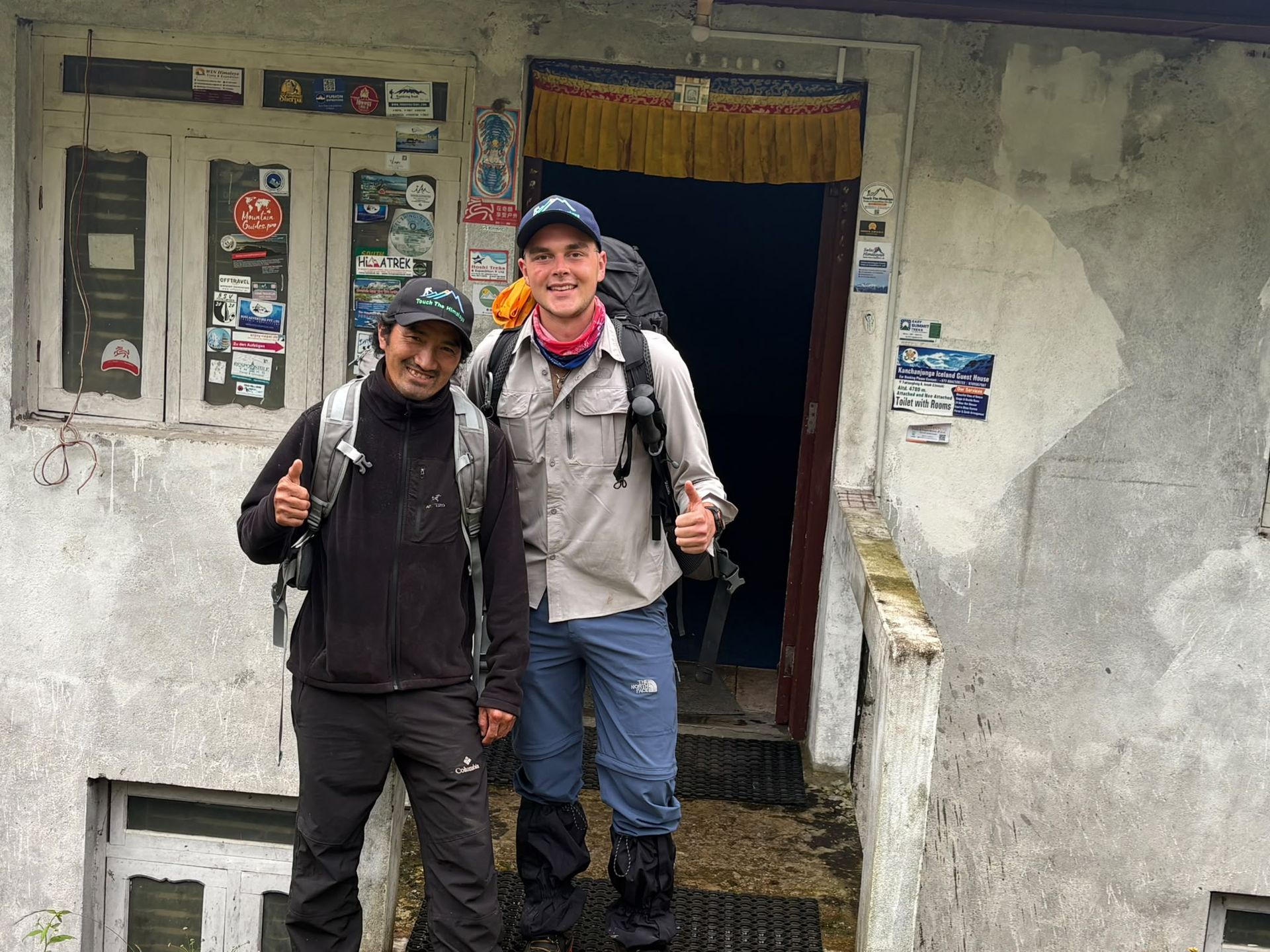
The Kanchenjunga trek is more than a journey through the Himalayas—it is an experience of stepping into one of Nepal’s most remote, peaceful, and spectacular mountain regions. Far from the busy trekking routes of Everest and Annapurna, the Kanchenjunga region offers pristine forests.
Find a Trekking Partner for the Kanchenjunga Trek – Join Fellow Trekkers
Madan NeupaneNovember 6, 20266 min read
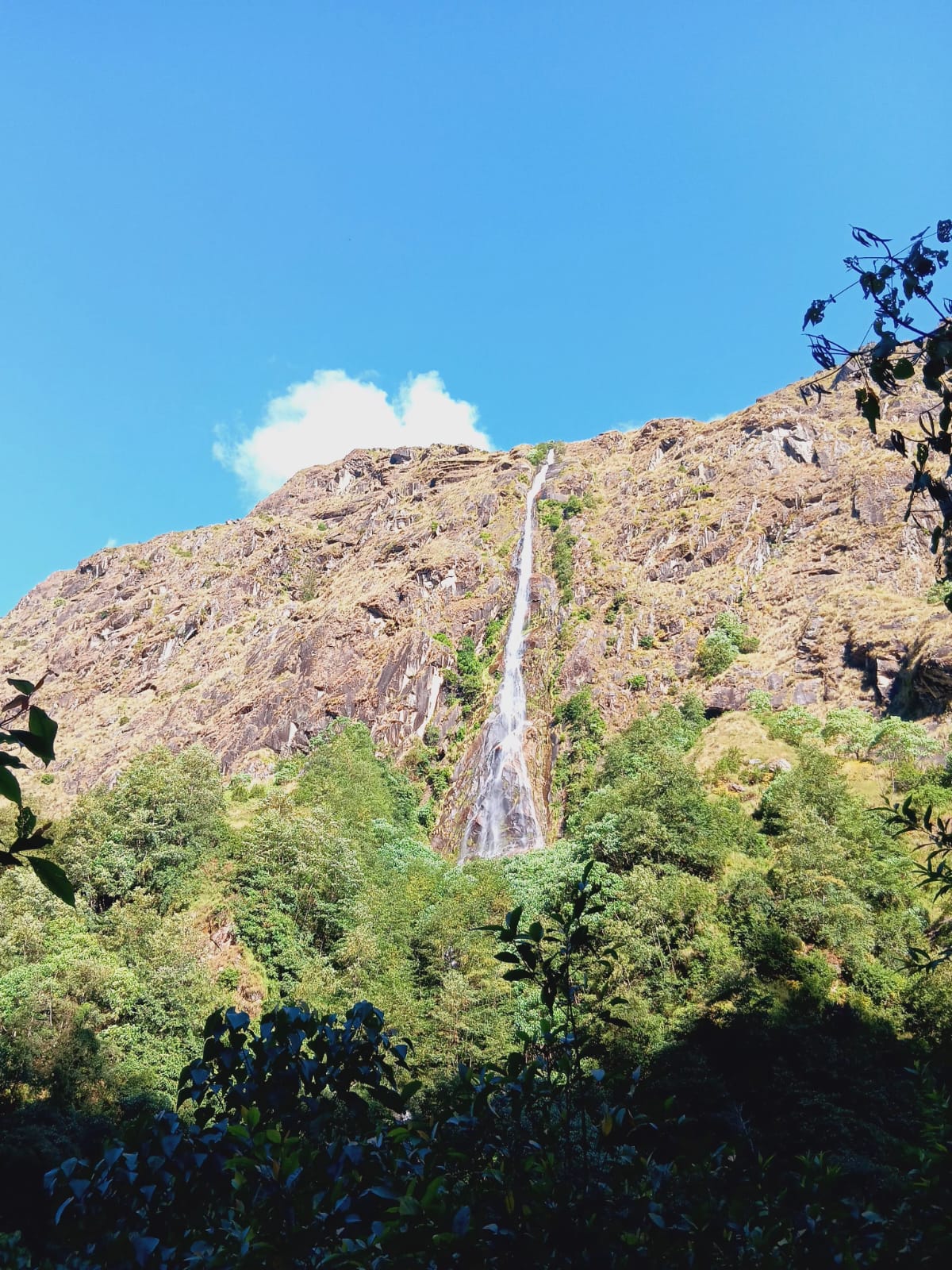
Planning the Kanchenjunga Trek alone? Connect with like-minded trekkers, find suitable departure dates, share trekking costs, and explore the remote Himalayas together with Kanchenjunga Guides.
Nepal Seeks International Recognition for Six More 8,000-Metre Peaks
Pasang SherpaNovember 5, 20263 min read
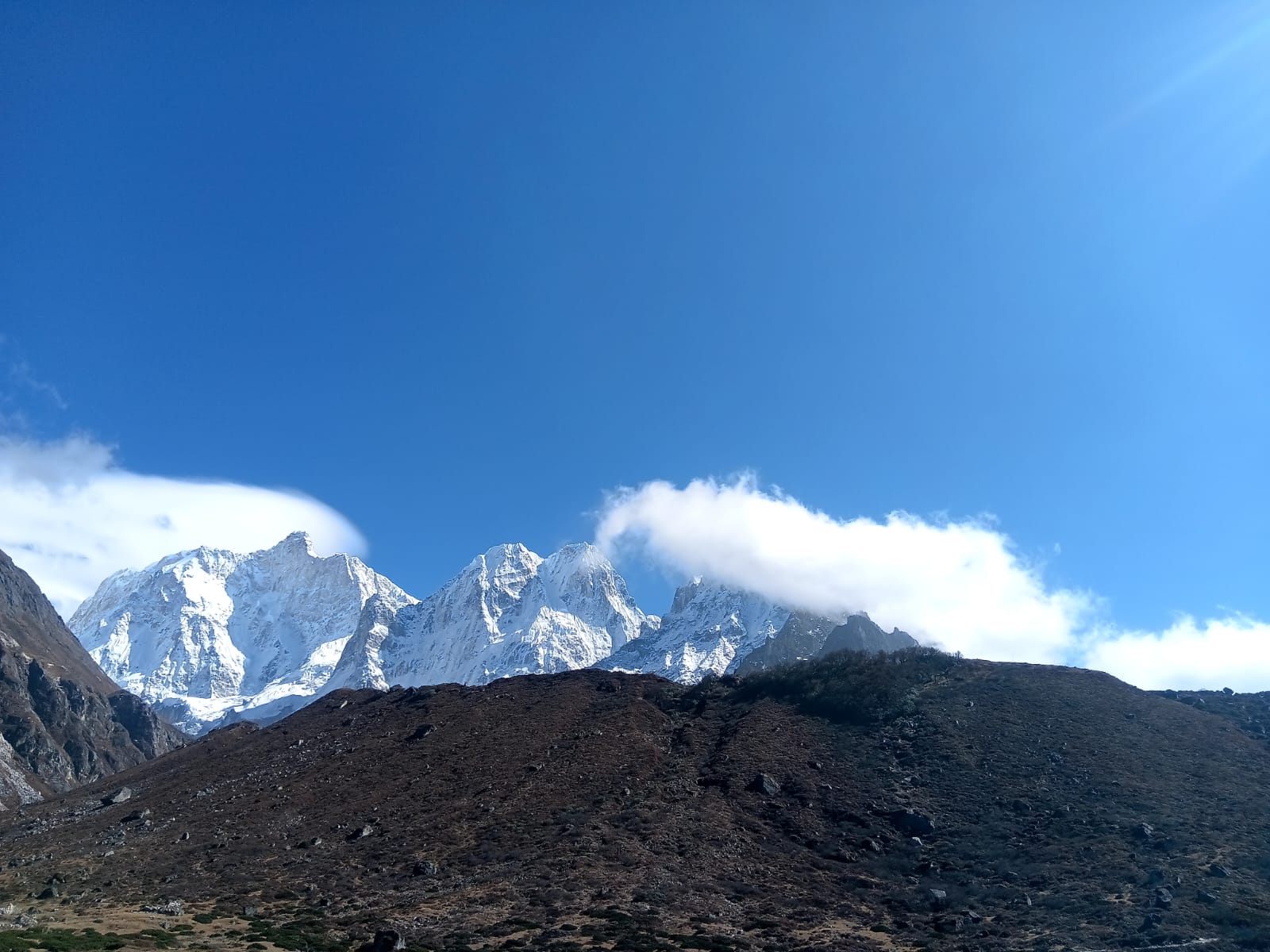
Nepal seeks international recognition for six additional 8,000-metre peaks, including four in the Kanchenjunga region. If approved, the proposal would increase Nepal's recognised eight-thousanders from eight to fourteen.