Conservation area
Kanchenjunga Conservation Area
Kanchenjunga Region
Kanchenjunga Conservation Area is a 2,035 km² protected landscape in eastern Nepal, home to Kanchenjunga, diverse Himalayan ecosystems, rare wildlife and culturally rich mountain communities. It is the heart of the Kanchenjunga trekking region
- Established: 1997
- Area: 2,035 km²
- District: Taplejung, Koshi Province, Nepal
- Elevation Range: Approx. 1,200–8,586 m
- Highest Peak: Mount Kanchenjunga – 8,586 m
- Major Rivers: Tamor, Ghunsa, Kabeli, Yangma
- Major Wildlife: Snow leopard, red panda, musk deer, Himalayan black bear
- Bird Species: 252 species recorded
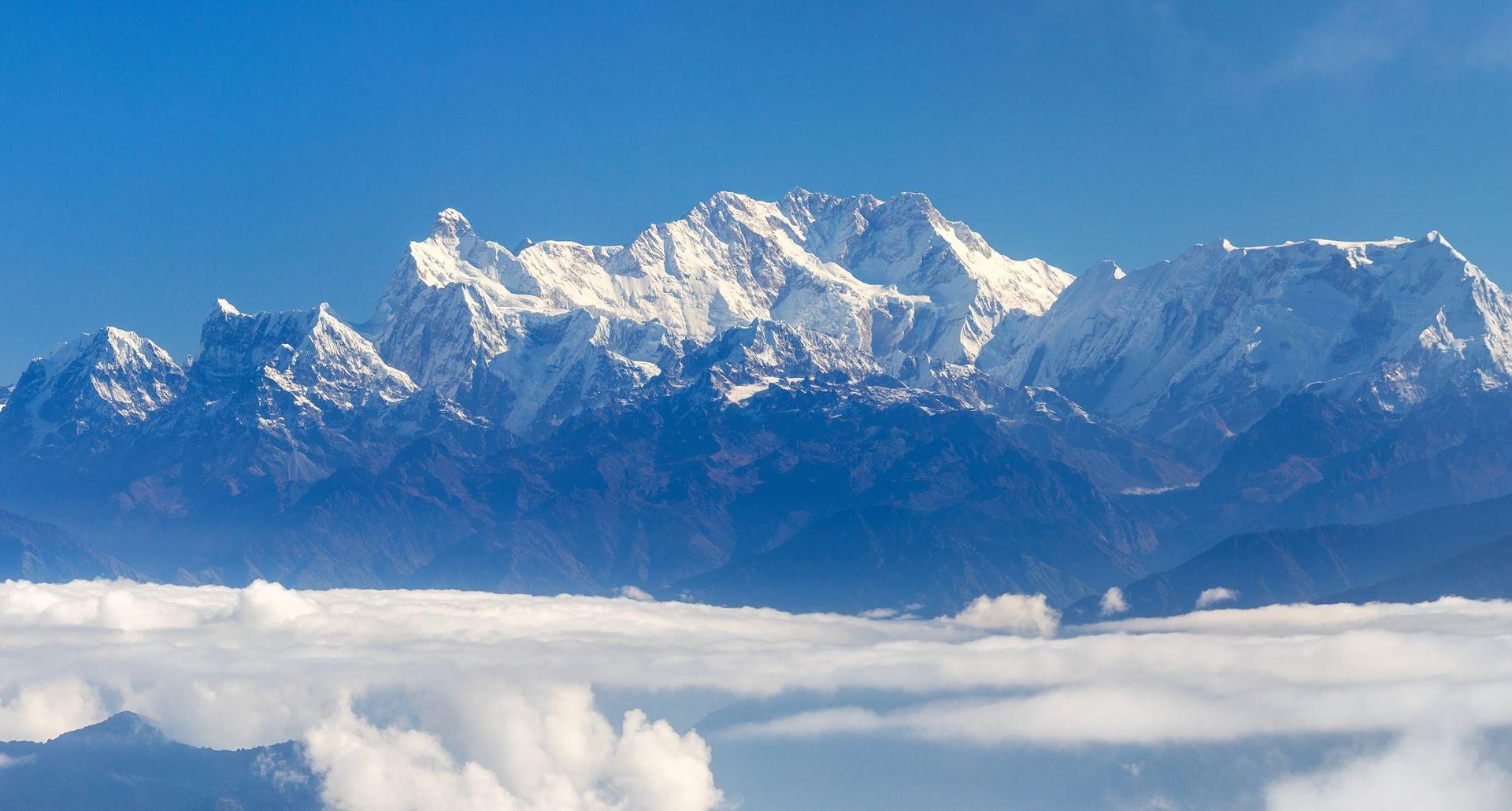
The Kanchenjunga Conservation Area(KCA) is one of Nepal's most spectacular protected landscapes, located in Taplejung District in eastern Nepal. Covering approximately 2,035 square kilometres, this remote Himalayan region is home to Mount Kanchenjunga (8,586 m), diverse wildlife, pristine forests, glaciers, and traditional mountain communities.
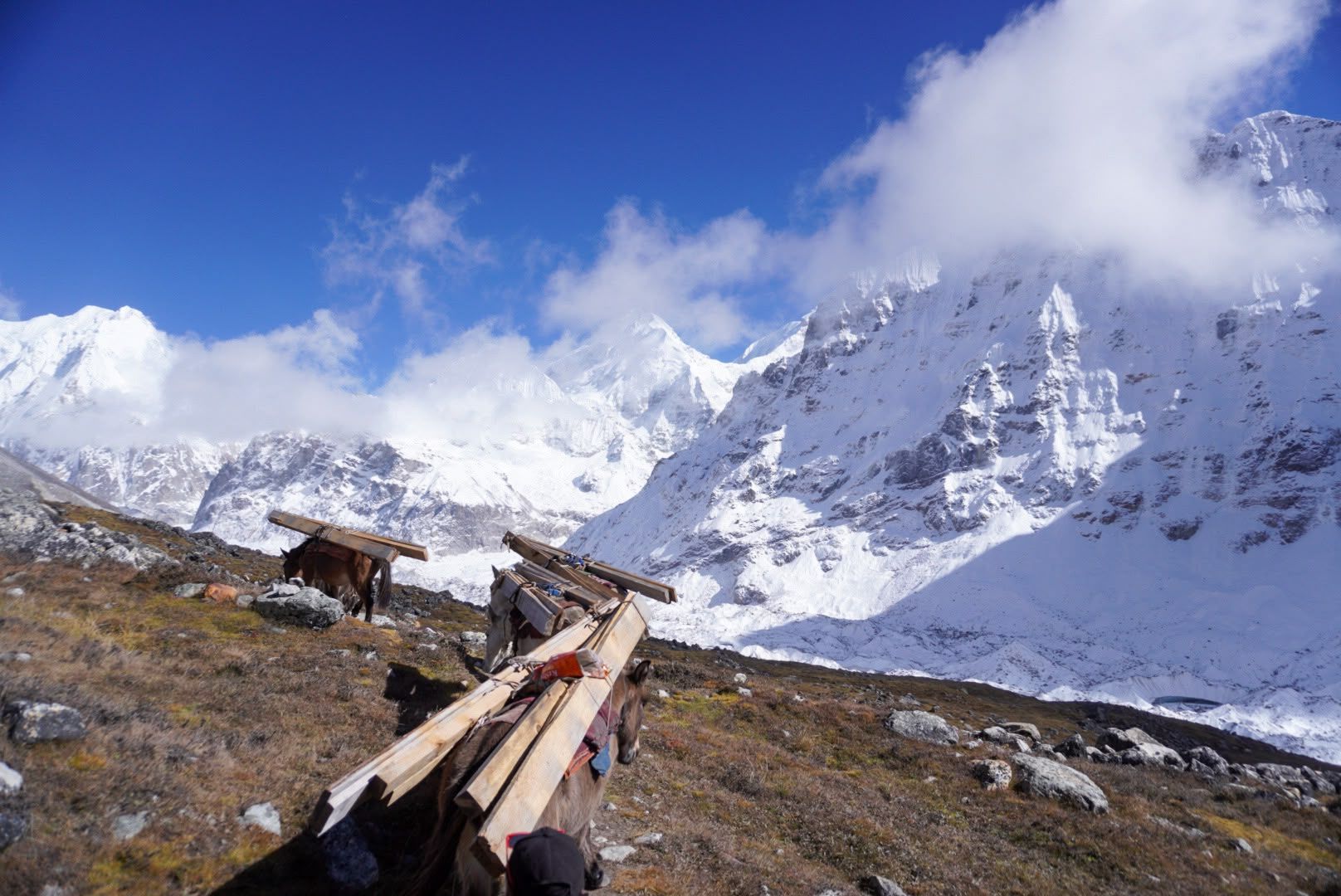
For trekkers, the region offers much more than incredible mountain views. Trails wind through peaceful villages, deep river valleys, rhododendron forests, and rugged high-altitude landscapes before reaching the northern and southern base camp areas of the world's third-highest mountain.
Whether you are interested in the Kanchenjunga North Base Camp Trek, the South Base Camp Trek, or the complete Kanchenjunga Circuit, the conservation area offers an opportunity to experience a quieter and more remote side of the Nepal Himalayas.
Explore the landscape, discover the local culture, and find the right Kanchenjunga trekking route for your adventure.
KCA at a Glance
- Location: Taplejung, Koshi Province, Nepal
- Protected area: 2,035 km²
- Established: 1997 AD
- Elevation range: Approx. 1,200–8,586 m
- Highest mountain: Mount Kanchenjunga
- Nearby destinations: Ghunsa Viewpoint, Kambachen, Lhonak, and Pangpema
- Best trekking seasons: Spring and autumn
- Landscape: Mountain forests, river valleys, alpine terrain, and Himalayan peaks
Where Is Kanchenjunga Conservation Area?
Kanchenjunga Conservation Area lies in the far northeastern part of Nepal, within Taplejung District of Koshi Province. The protected landscape extends toward the borders of India and China, encompassing remote valleys, mountain forests, glaciers, and settlements scattered across the eastern Himalayas.
The region's elevation changes dramatically, from lower river valleys and subtropical forests to alpine meadows, rocky mountain slopes, and permanent snow. This variety of landscapes makes the area particularly important for biodiversity and creates the remarkable scenery experienced along its trekking routes.
For travellers, Taplejung is the gateway to the Kanchenjunga region. From there, the journey continues toward remote trailheads and mountain villages, where the trekking experience gradually unfolds on foot.
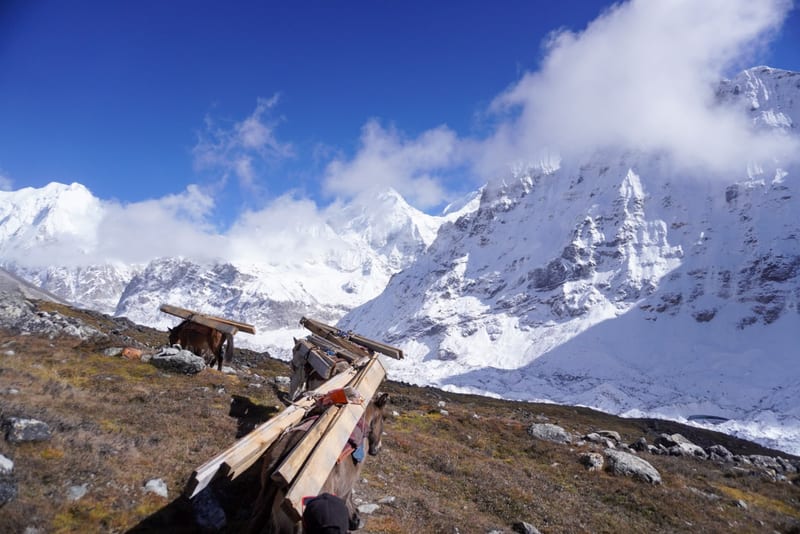
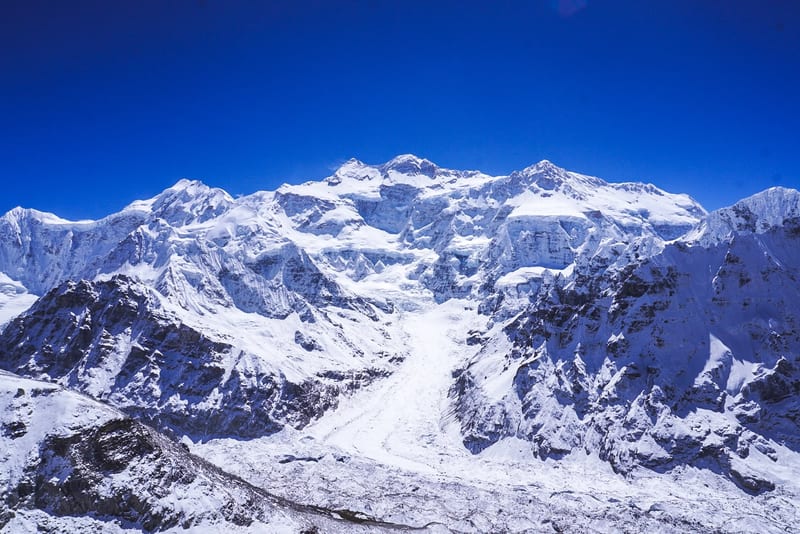
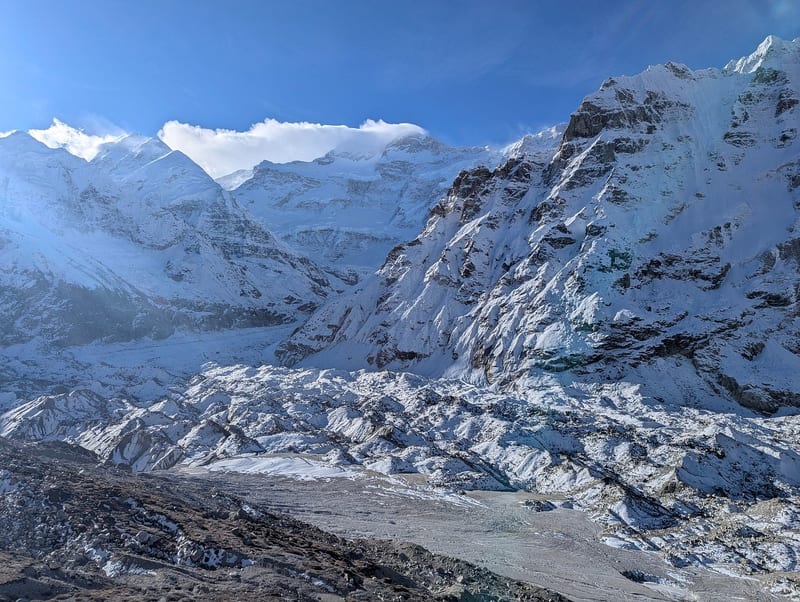
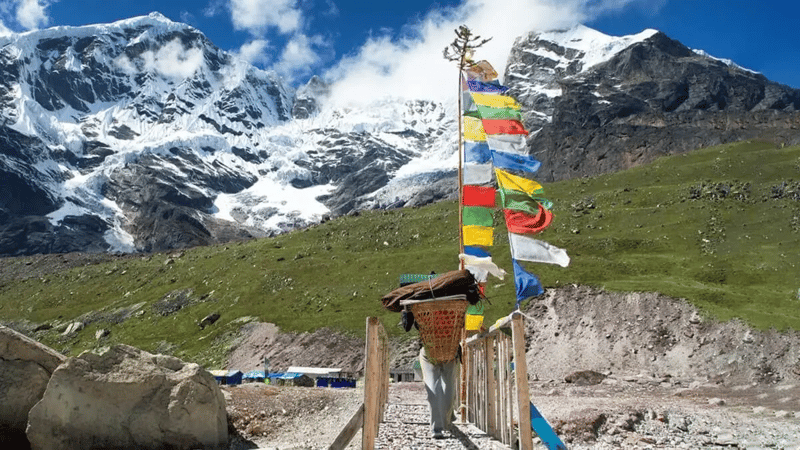
The trekking routes of Kanchenjunga:
Mountains, Forests, and Himalayan Scenery
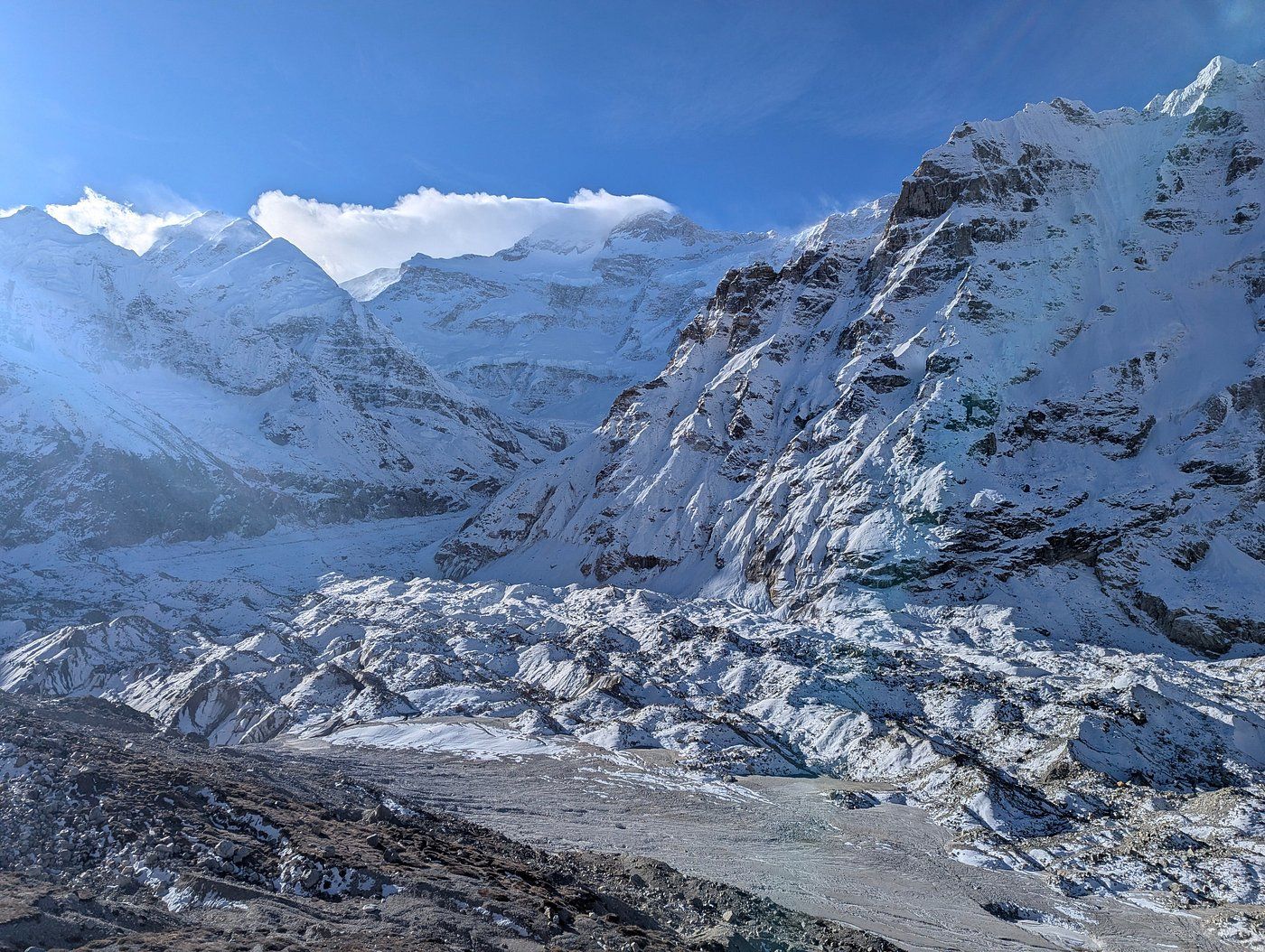
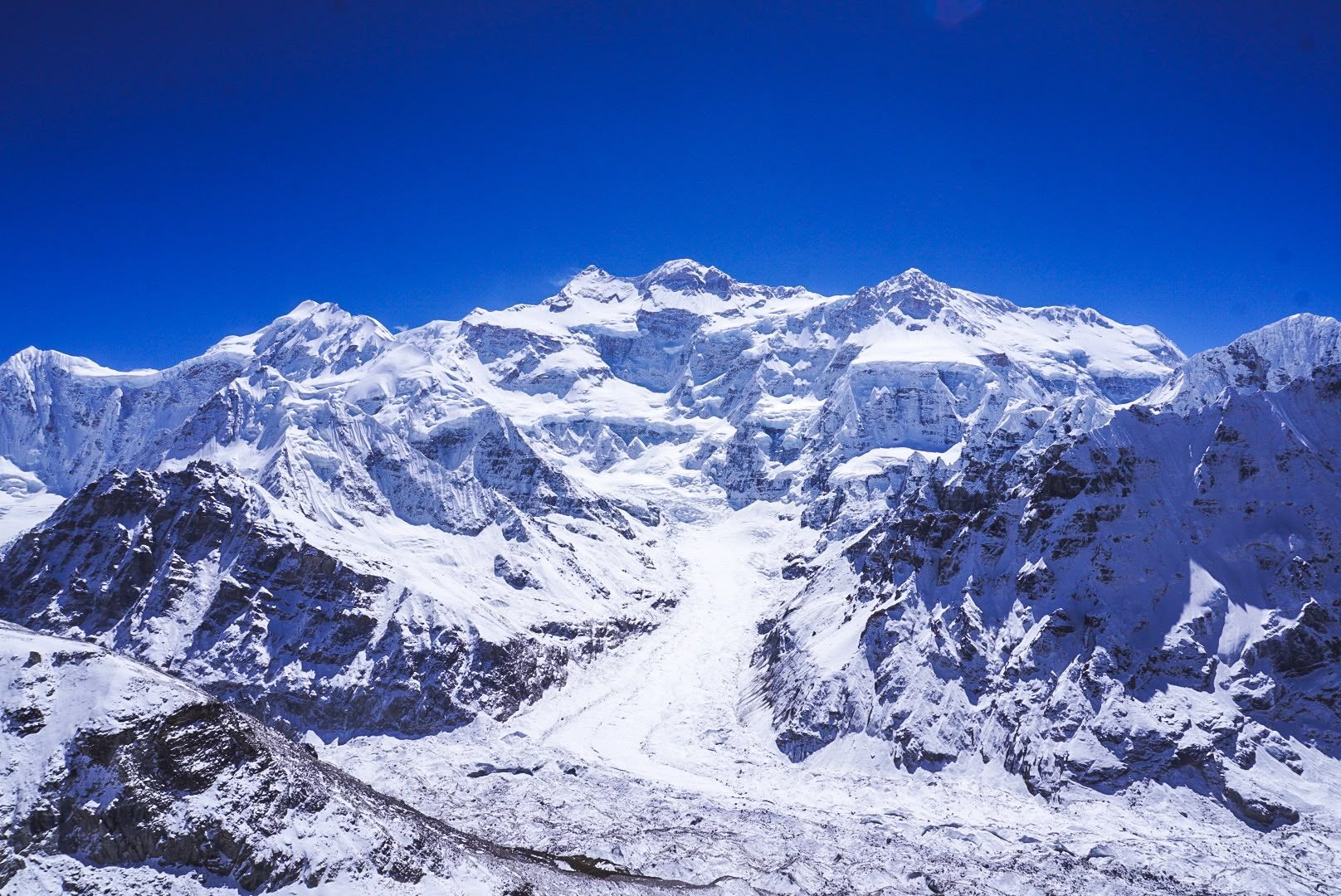
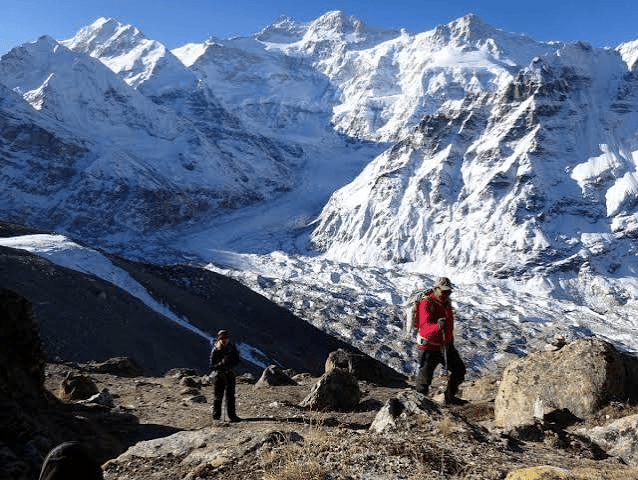
Mount Kanchenjunga dominates the region, rising to 8,586 metres above sea level. Its immense mountain walls, surrounding glaciers, and snow-covered peaks create some of the most impressive scenery in eastern Nepal. Other notable mountains include Jannu, also known as Kumbhakarna, which rises to approximately 7,710 metres.
The landscape changes considerably as you move through the conservation area. Lower valleys feature dense forests and flowing rivers, while higher elevations reveal alpine meadows, rocky terrain, glacial valleys, and expansive mountain views.
Rhododendron forests bring colour to many middle-elevation trails during spring, while pine, fir, birch, hemlock, and juniper grow across different parts of the region. Rivers such as the Tamor, Ghunsa, Kabeli, and Yangma also shape the valleys through which many trekking routes pass.
This combination of forests, rivers, glaciers, and towering mountains makes Kanchenjunga a remarkable destination for travellers who appreciate both wilderness and high-altitude trekking.
Wildlife and Biodiversity in Kanchenjunga Conservation Area
Kanchenjunga Conservation Area protects a rich variety of Himalayan wildlife and plant life. Its forests, alpine habitats, and high mountain ecosystems support species that are increasingly threatened in other parts of their natural range.
The region provides habitat for the elusive snow leopard, red panda, Himalayan black bear, musk deer, blue sheep, and Tibetan wolf. Birdlife is equally diverse, with species including the Himalayan monal and blood pheasant among the region's notable birds.
The area's vegetation varies with elevation, ranging from broadleaf forests and rhododendron woodland to alpine shrubs and high-altitude plant communities. Many native and medicinal plants are also important to local livelihoods and traditional practices.
Wildlife sightings are never guaranteed during a trek, particularly for elusive species such as the snow leopard and red panda. However, travelling through this protected landscape offers an opportunity to appreciate the habitats and biodiversity that make the Kanchenjunga region so important.
Local Culture and Traditional Mountain Villages
The Kanchenjunga Conservation Area is not simply a wilderness of mountains and forests. It is also home to communities whose traditions, livelihoods, and cultural identities are closely connected to the Himalayan landscape.
Limbu, Sherpa, Bhote, and Rai communities contribute to the region's cultural diversity. Traditional villages, local architecture, Buddhist monasteries, religious practices, farming, and livestock rearing all form part of everyday life in these remote mountain settlements.
Places such as Ghunsa and Olangchung Gola offer opportunities to experience aspects of traditional Himalayan village life. Travelling through these communities also helps visitors understand how people adapt to the challenges of living in a mountainous environment.
Respect for local customs is an important part of trekking here. Ask permission before photographing people, follow local guidance at religious sites, and support community-run accommodation and services whenever possible.
Conservation and Responsible Trekking
Protecting the Kanchenjunga landscape is essential to preserving its wildlife, forests, cultural heritage, and the livelihoods of local communities. The conservation area is notable for its community-based management approach, which involves local people in protecting the natural environment.
Visitors also have a role to play in keeping this remote region clean and sustainable. During your trek, carry out your rubbish, avoid disturbing wildlife, stay on established trails, and respect local traditions and community rules.
Choosing knowledgeable local guides and using local accommodation and services can also help support the people who live and work in the region.
Responsible trekking allows visitors to enjoy Kanchenjunga's extraordinary scenery while helping protect the landscape for future generations.
Best Time to Visit Kanchenjunga Conservation Area
Spring and autumn are generally the most favourable seasons for trekking in the Kanchenjunga region.
Spring (March–May) brings milder conditions to many trekking areas, blooming rhododendrons, and changing mountain landscapes. It is an appealing season for trekkers who enjoy forest scenery alongside high Himalayan views.
Autumn (September–November) often offers clearer mountain views after the monsoon, making it another popular period for exploring the region's remote trails.
Monsoon (June–August) can bring heavy rainfall, slippery paths, and difficult travel conditions, particularly at lower elevations. Winter (December–February) can bring freezing temperatures, snow, and challenging conditions on high passes.
Weather varies with elevation and can change quickly. Before travelling, check current trail conditions and plan your itinerary around the season, route, and available time.
What to Know Before Trekking in Kanchenjunga
Kanchenjunga is a remote trekking destination, and a successful journey requires more planning than many of Nepal's better-developed trekking regions.
- Permits: Check the conservation area entry requirements and any restricted-area permits applicable to your route.
- Guide arrangements: Confirm the current rules for your itinerary and arrange the required guide support through a registered trekking agency.
- Physical preparation: Prepare for long walking days, steep trails, changing weather, and high-altitude conditions.
- Accommodation: Expect basic teahouses, lodges, or camping arrangements depending on the route and location.
- Supplies and communication: Facilities become limited in remote sections, so plan ahead for essential equipment, connectivity, and emergencies.
- Acclimatization: Allow enough time for gradual altitude gain and follow a properly planned itinerary.
Permit rules, fees, and access requirements can change. Confirm the current requirements for your chosen route before departure.
Find the Right Kanchenjunga Trek for Your Group
The best way to experience Kanchenjunga Conservation Area is to choose a trek that matches your available time, preferred route, fitness level, and group size.
View All kanchenjunga treksFrequently asked questions
Where is Kanchenjunga Conservation Area located?
It is located in Taplejung District, Koshi Province, in eastern Nepal, near the borders of India and China.
What is Kanchenjunga Conservation Area famous for?
It is known for Mount Kanchenjunga, remote trekking routes, glaciers, forests, rich biodiversity, and traditional Himalayan communities.
What is the best time to visit Kanchenjunga?
Spring (March–May) and autumn (September–November) are generally the most favourable seasons, although conditions depend on the route and elevation.